
Burigi-Chato National Park Tanzania: Wildlife Safaris, Animals, Activities, Accommodation and Best Time to Visit
Burigi-Chato National Park is one of Tanzania’s most fascinating and relatively unexplored wildlife destinations. Located in northwestern Tanzania, near the borders of Rwanda and Uganda, the park offers visitors an exceptional combination of freshwater lakes, wetlands, rolling hills, wooded savannah, open grasslands and beautiful natural landscapes.
Established as a national park in 2019, Burigi-Chato covers approximately 4,707 square kilometres, making it one of the largest national parks in Tanzania. It stretches from the western shores of Lake Victoria towards the Rwandan border, protecting an extensive wilderness area with diverse habitats and remarkable wildlife.
The park is particularly famous for Lake Burigi, one of Tanzania’s largest lakes, surrounded by papyrus swamps, forested valleys, islands and scenic hills. These habitats support a wide range of wildlife, including elephants, buffaloes, giraffes, zebras, lions, leopards, antelopes, hippos and crocodiles.
Unlike the more frequently visited northern Tanzania safari destinations, Burigi-Chato offers a quieter and more remote wilderness experience. Visitors can enjoy game drives, boat excursions, birdwatching, guided nature walks, camping, fishing and wildlife photography.
Whether you are planning a western Tanzania safari, a Lake Victoria holiday or a longer East African adventure, Burigi-Chato National Park offers an opportunity to explore a less-visited side of Tanzania.
In this guide, we explore everything you need to know about visiting Burigi-Chato National Park, including its wildlife, attractions, safari activities, best time to visit, accommodation, transport arrangements and suggested itineraries.
1. Discover Burigi-Chato National Park
Burigi-Chato National Park was gazetted in 2019 following the upgrading and consolidation of several former protected areas, including Burigi, Biharamulo and Kimisi game reserves.
The park covers approximately 4,707 square kilometres and contains an extraordinary variety of landscapes.
Its ecosystems include:
- Open savannah grasslands.
- Miombo woodlands.
- Freshwater lakes.
- Papyrus wetlands and swamps.
- River valleys and floodplains.
- Rocky hills and escarpments.
- Forested valleys.
- Seasonal streams and natural springs.
This ecological diversity makes Burigi-Chato an important wildlife conservation area in northwestern Tanzania.
The park’s remote location and relatively low visitor numbers make it attractive to travelers seeking an alternative to the more established safari circuits.
Visitors can enjoy the tranquillity of Lake Burigi, explore extensive woodland habitats and experience wildlife viewing without the crowds sometimes encountered in more famous national parks.
2. Wildlife in Burigi-Chato National Park
Wildlife viewing is one of the main reasons to visit Burigi-Chato National Park.
The park supports a diverse population of mammals, birds and aquatic wildlife, distributed across its different ecosystems.
Elephants
African elephants are among the important large mammals found in Burigi-Chato.
They can be encountered in woodland areas, grasslands and near water sources. Elephant movements vary according to seasonal conditions and the availability of food and water.
African Buffaloes
Buffaloes are another prominent species in the park.
They are often associated with grasslands, woodland edges and areas close to water. Visitors may encounter individual animals or larger herds during game drives.
Giraffes
Giraffes are among the most attractive animals to photograph in Burigi-Chato.
They browse on trees and shrubs across the savannah and woodland habitats, creating excellent wildlife photography opportunities.
Zebras
Zebras can be seen grazing in open grasslands and other suitable feeding areas.
Their presence adds to the diversity of wildlife encounters during game drives.
Lions and Leopards
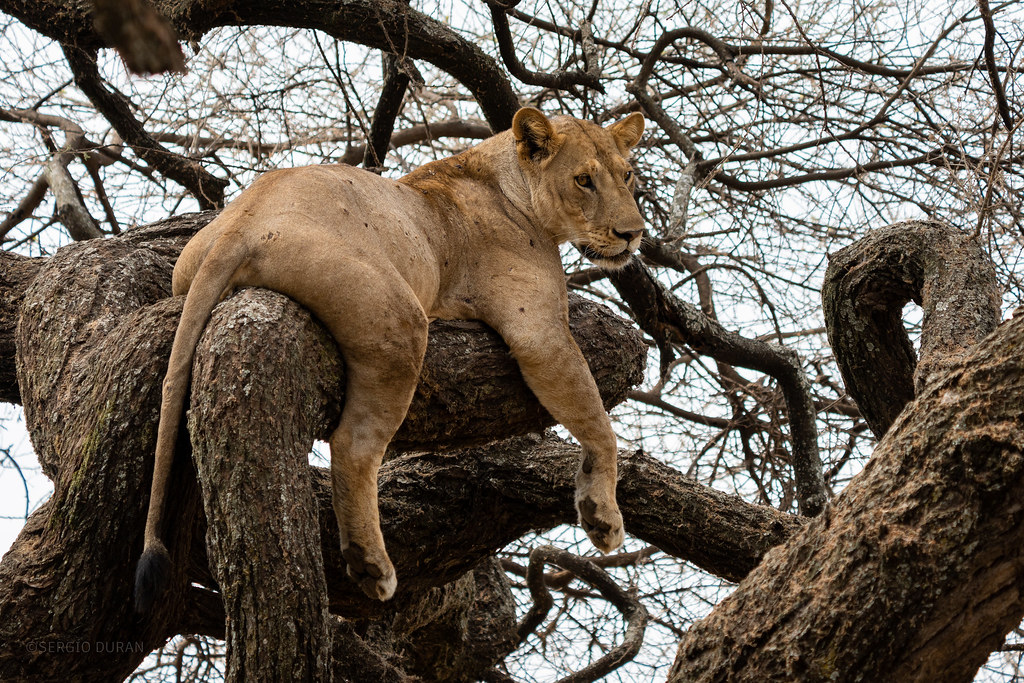
Burigi-Chato supports large predators, including African lions and leopards.
Lions inhabit suitable savannah and woodland habitats, while leopards are generally associated with more wooded environments.
These predators are naturally elusive, so sightings are not guaranteed.
Antelopes and Other Herbivores
The park supports several antelope species, including:
- Topi.
- Eland.
- Waterbuck.
- Impala.
- Sable antelope.
- Roan antelope.
- Oribi.
- Warthogs.
The wetlands also provide suitable habitat for the rare sitatunga, a swamp-dwelling antelope adapted to living around papyrus vegetation.
Hippos and Crocodiles
Lake Burigi and other water bodies support hippos and Nile crocodiles.
These aquatic animals can sometimes be observed during boat excursions, particularly around suitable shoreline habitats.
Wildlife sightings depend on the season, location and prevailing conditions. Burigi-Chato is a large wilderness area, so exploring different habitats with experienced guides increases your chances of encountering a variety of animals.
3. Explore Lake Burigi
Lake Burigi is one of the park’s most important natural attractions and a major reason to visit this destination.
It is recognised as Tanzania’s third-largest lake and is characterised by a long, irregular shoreline with numerous bays, inlets, islands and papyrus-fringed wetlands.
The lake provides important habitats for aquatic wildlife and numerous bird species.
Visitors can enjoy beautiful views of the surrounding hills, watch birds along the shoreline and explore different sections of the lake by boat.
Boat Safaris on Lake Burigi
Boat excursions offer a different perspective of Burigi-Chato National Park.
Rather than exploring the landscape from a safari vehicle, visitors can travel across the lake and observe wildlife along its shores.
During a boat excursion, you may encounter:
- Hippos in suitable aquatic habitats.
- Nile crocodiles.
- Waterbirds.
- Fish-eating birds.
- Wetland vegetation.
- Beautiful islands and bays.
- Animals visiting the lakeshore.
Boat activities should be arranged in advance with park authorities because availability, departure points and operating conditions can vary.
Explore the Papyrus Wetlands
The papyrus wetlands surrounding Lake Burigi are among the park’s most distinctive ecosystems.
They provide habitat for several bird species and the rare sitatunga antelope.
The wetlands are particularly interesting for nature enthusiasts and photographers who want to explore wildlife beyond the traditional savannah game drive experience.
4. Best Things to Do in Burigi-Chato National Park
Burigi-Chato offers several activities for travelers interested in wildlife, outdoor adventure and nature.
4.1 Game Drives in Burigi-Chato
Game drives are among the most rewarding ways to explore the park.
Visitors travel through open grasslands, woodland tracks, valleys and lakeshore areas in search of wildlife.
Early-morning game drives are particularly rewarding because animals are often more active during the cooler hours.
Afternoon drives offer opportunities to enjoy the beautiful scenery while looking for elephants, giraffes, buffaloes, antelopes and predators.
A 4×4 safari vehicle is recommended because the park is extensive and some internal tracks can become challenging, particularly during rainy periods.
4.2 Boat Excursions on Lake Burigi
A boat safari is one of the experiences that distinguishes Burigi-Chato from many other Tanzanian national parks.
Visitors can explore the lake’s shoreline, observe aquatic wildlife and enjoy the peaceful surroundings.
Boat excursions are particularly appealing to photographers, birdwatchers and travelers who want to experience the park from the water.
4.3 Guided Nature Walks
Guided walking safaris provide an opportunity to experience the park at a slower pace.
Accompanied by an authorised armed ranger, visitors can explore selected areas on foot, learning about plants, smaller wildlife, animal tracks, birds and the surrounding ecosystem.
Walking activities must follow park regulations and take place in approved areas.
4.4 Birdwatching in Burigi-Chato
Burigi-Chato is an attractive destination for birdwatchers because of its combination of lakes, papyrus wetlands, rivers, woodland and open savannah.
Birdwatching opportunities include looking for:
- African fish eagles.
- Malachite kingfishers.
- Great white pelicans.
- African jacanas.
- Saddle-billed storks.
- Herons and egrets.
- Various waterbirds and woodland species.
The wetlands are particularly interesting for visitors hoping to observe species associated with papyrus vegetation.
The possibility of encountering rare birds such as the shoebill makes the region especially appealing to dedicated birdwatchers, although sightings cannot be guaranteed.
4.5 Camping in Burigi-Chato National Park
Camping is an excellent way to experience the park’s remote wilderness atmosphere.
Visitors can arrange camping at designated park campsites, subject to availability and the applicable TANAPA regulations.
Camping allows travelers to enjoy the natural surroundings and spend more time exploring the park without making long daily transfers from nearby towns.
Always confirm campsite facilities, availability, fees and safety arrangements before travelling.
4.6 Sport Fishing
Fishing is another activity associated with the lakes of Burigi-Chato.
Visitors interested in fishing should arrange the appropriate authorisation with park management and follow the applicable fishing regulations.
The lake environment provides an interesting experience for travelers who want to combine wildlife viewing with recreational activities.
4.7 Wildlife Photography
Burigi-Chato is particularly attractive to photographers because of its diverse scenery.
From elephants crossing open grasslands to hippos in the water and birds feeding around papyrus swamps, the park offers several photography opportunities.
The landscape itself is also a major attraction, with beautiful lake views, islands, hills, wetlands and woodland scenery.
5. What Is the Best Time to Visit Burigi-Chato National Park?
Burigi-Chato National Park can be visited throughout the year, but seasonal conditions influence wildlife viewing, road accessibility and outdoor activities.
Dry Season: June to September
The period from June to September is generally considered the best time for traditional wildlife viewing.
During these months:
- Grass becomes shorter, improving wildlife visibility.
- Animals increasingly concentrate around permanent water sources.
- Roads and internal tracks are generally easier to navigate.
- Game drives become more convenient.
- Lakeshore wildlife viewing can be rewarding.
This is an excellent period for travelers interested in game drives, wildlife photography and exploring the park’s different ecosystems.
Green Season: October to May
The wetter months transform Burigi-Chato into a beautiful green landscape.
Rainfall generally has two main peaks, around November–December and March–April.
During this period, visitors can enjoy:
- Green vegetation and attractive landscapes.
- Excellent scenery for photography.
- Increased seasonal bird activity.
- Fresh grasslands and flowering vegetation.
- Beautiful views of wetlands and surrounding hills.
However, some unpaved roads can become difficult to navigate during heavy rainfall.
Our recommendation: June to September is a particularly good period for wildlife viewing, while the green season is attractive for birdwatching, photography and visitors who appreciate lush landscapes.
6. How to Get to Burigi-Chato National Park
Burigi-Chato is located in northwestern Tanzania and can be accessed by road, air and, for selected areas, water transport.
Getting to Burigi-Chato From Mwanza
Mwanza is one of the main gateways for travelers visiting the park.
Visitors can travel from Mwanza towards Chato and other park access points.
The journey provides an opportunity to explore the Lake Victoria region and surrounding communities.
Travel time depends on the selected park entrance, road conditions and the final safari destination.
Getting to Burigi-Chato From Bukoba
Bukoba is another useful gateway, particularly for visitors exploring the western and northern sections of the park.
Road transfers can be arranged from Bukoba towards the relevant park access points.
Getting to Burigi-Chato From Kigali, Rwanda
Travelers arriving in Kigali can plan an overland journey to northwestern Tanzania through the appropriate Rwanda–Tanzania border crossing.
The route should be arranged according to the selected entry point and the current border and road conditions.
This option is particularly interesting for visitors planning a combined Rwanda and Tanzania safari.
Getting to Burigi-Chato From Dar es Salaam
Visitors starting in Dar es Salaam can connect to Mwanza or Bukoba by domestic flight before continuing by road.
Alternatively, a longer overland safari can be arranged for travelers who want to explore different parts of Tanzania.
Flying to Burigi-Chato
The park can be accessed through regional airports and airstrips, including Chato and Bukoba airports and selected airstrips serving the park area.
Private charter arrangements may also be possible, depending on availability and the intended destination.
Confirm flight schedules, charter availability and onward transfers before booking.
7. Self-Drive Safari to Burigi-Chato National Park
A self-drive safari in Tanzania is an excellent option for independent travelers who want to explore destinations beyond the traditional northern safari circuit.
Burigi-Chato offers an interesting destination for experienced self-drive travelers interested in remote landscapes, wildlife and Lake Victoria.
Visitors can arrange a suitable 4×4 rental vehicle from Mwanza or other regional locations and plan their journey according to the park’s designated entry points.
A reliable 4×4 vehicle is recommended because some internal park roads are rough, rocky or affected by seasonal rainfall.
Before travelling, confirm:
- The appropriate park entrance.
- Current road and track conditions.
- Fuel availability.
- Park entry arrangements and payment procedures.
- Camping or accommodation reservations.
- Availability of authorised boat excursions.
- Whether a guide or ranger is required for planned activities.
For visitors unfamiliar with the region, arranging a local guide or driver-guide can make the experience easier and more rewarding.
8. Where to Stay in Burigi-Chato National Park
Accommodation in Burigi-Chato is more limited than in Tanzania’s established safari destinations.
Visitors should plan their accommodation carefully, especially if they intend to explore the more remote areas of the park.
Park Rest Houses and Cottages
Tanzania National Parks provides basic accommodation options in selected areas.
These can be convenient for visitors who want to stay within the park and enjoy early-morning wildlife activities.
Confirm facilities, availability and booking procedures directly with TANAPA.
Park Campsites
Camping is another accommodation option for travelers who enjoy outdoor experiences.
Designated campsites offer a more adventurous way to explore the park, although facilities and services may be basic.
Visitors should confirm whether camping equipment, water, toilets and other facilities are provided.
Nkonje Area Accommodation
The Nkonje ranger post area, near Lake Burigi, is particularly relevant for visitors interested in lake activities and wildlife viewing around the wetlands.
Accommodation arrangements in this area may include basic bandas, camping and other park-managed facilities, subject to current availability.
Hotels in Chato
Chato offers an alternative for visitors who prefer conventional accommodation outside the park.
Staying in town may be convenient for travelers entering the park through the eastern side.
Accommodation in Biharamulo
Biharamulo is another possible accommodation base for visitors exploring the southern and western access areas.
Local accommodation options should be confirmed before departure.
Accommodation in Bukoba
Bukoba provides a wider range of town accommodation and is useful for visitors connecting through the Lake Victoria region.
However, travelers should consider transfer times when selecting a hotel for an early-morning game drive.
Accommodation tip: If wildlife viewing is your priority, staying close to your planned activity area is often more convenient than choosing a hotel far from the park.
9. What Should You Pack for a Burigi-Chato Safari?
Burigi-Chato has different habitats and changing weather conditions, so suitable safari clothing and equipment are important.
We recommend packing:
- Lightweight safari clothing.
- Neutral-coloured shirts and trousers.
- Comfortable walking shoes.
- A wide-brimmed hat.
- Sunglasses.
- Sunscreen.
- Insect repellent.
- Binoculars.
- A camera and spare batteries.
- Drinking water.
- A small first-aid kit.
- Personal medication.
- A waterproof jacket during rainy periods.
- A torch or headlamp when camping.
- Appropriate camping equipment if not provided.
For boat excursions, consider carrying a waterproof bag for your camera, phone and personal belongings.
Birdwatchers should also bring binoculars and a field guide.
10. Burigi-Chato National Park Safari Rules and Regulations
Burigi-Chato is a protected wildlife area managed under Tanzania’s national park regulations.
Visitors must follow the applicable TANAPA rules to protect wildlife and ensure their own safety.
Important guidelines include:
- Follow park speed limits and designated driving routes.
- Do not approach, feed or disturb wild animals.
- Maintain a safe distance from wildlife.
- Follow the instructions of park rangers and guides.
- Do not litter in the park.
- Avoid making unnecessary noise around wildlife.
- Use authorised guides for activities requiring ranger supervision.
- Respect designated camping and accommodation areas.
- Do not enter wetlands or restricted areas independently.
- Follow all boating, fishing and walking safari regulations.
Visitors should confirm current entry fees, conservation charges and activity tariffs with Tanzania National Parks before travelling.
11. How Many Days Do You Need in Burigi-Chato?
A two-night, three-day safari is a good starting point for visitors who want to experience the park’s major attractions.
However, a longer stay is recommended for travelers interested in exploring different areas, including Lake Burigi, wetlands and remote woodland habitats.
Suggested 3-Day Burigi-Chato Safari Itinerary
| Day | Activities | Overnight |
|---|---|---|
| Day 1 | Arrive from Mwanza or Bukoba, transfer to Burigi-Chato and enjoy an afternoon game drive | Burigi-Chato |
| Day 2 | Morning game drive, Lake Burigi boat excursion and afternoon birdwatching | Burigi-Chato |
| Day 3 | Guided nature walk or early-morning wildlife viewing, followed by departure | Next destination |
Suggested 4-Day Burigi-Chato Safari Itinerary
| Day | Activities | Overnight |
|---|---|---|
| Day 1 | Arrive in the Burigi-Chato area and explore the surrounding landscape | Burigi-Chato |
| Day 2 | Morning and afternoon game drives to search for elephants, giraffes, buffaloes and antelopes | Burigi-Chato |
| Day 3 | Boat excursion on Lake Burigi, birdwatching and guided nature walk | Burigi-Chato |
| Day 4 | Early-morning wildlife viewing, breakfast and departure | Next destination |
Suggested 5-Day Burigi-Chato and Lake Victoria Safari
| Day | Activities | Overnight |
|---|---|---|
| Day 1 | Arrive in Mwanza and explore the Lake Victoria region | Mwanza |
| Day 2 | Drive towards Burigi-Chato, enjoying the northwestern Tanzania countryside | Burigi-Chato |
| Day 3 | Game drives and wildlife photography | Burigi-Chato |
| Day 4 | Lake Burigi boat excursion, birdwatching and nature activities | Burigi-Chato |
| Day 5 | Breakfast and transfer towards Chato, Bukoba or Mwanza | Next destination |
These itineraries are flexible and should be adjusted according to the selected park entrance, accommodation availability, road conditions and activity arrangements.
12. Combine Burigi-Chato With Other Tanzania Safari Destinations
Burigi-Chato can be combined with several other destinations to create an exciting western and northern Tanzania safari.
Burigi-Chato and Serengeti National Park
Combining Burigi-Chato with Serengeti National Park offers a diverse wildlife experience.
You can begin with the quieter lakes, wetlands and woodlands of northwestern Tanzania before continuing to the famous Serengeti plains.
The Serengeti is renowned for lions, cheetahs, leopards, elephants, giraffes and the spectacular Great Migration.
Burigi-Chato and Rubondo Island National Park
Rubondo Island National Park is located in Lake Victoria and offers a distinctive island wildlife experience.
Visitors can explore forest trails, enjoy boat excursions, observe birds and discover the island’s wildlife.
Combining Rubondo Island with Burigi-Chato creates an interesting Lake Victoria safari.
Burigi-Chato and Gombe Stream National Park
Gombe Stream National Park is famous for its wild chimpanzees and tropical forest environment.
Visitors can experience chimpanzee trekking in Gombe before continuing to Burigi-Chato for savannah wildlife, lakes and wetlands.
This combination offers two very different wildlife experiences within Tanzania.
Burigi-Chato and Lake Victoria
Lake Victoria is one of Africa’s most important freshwater lakes and provides excellent opportunities for scenic excursions, fishing, cultural visits and lakeside relaxation.
Mwanza, Bukoba and other lakeside communities can be included in a longer itinerary.
Burigi-Chato and Katavi National Park
Katavi National Park is one of Tanzania’s most remote wildlife destinations.
It is known for large buffalo herds, elephants, hippos and seasonal floodplains.
Combining Katavi and Burigi-Chato provides an opportunity to explore two less-visited national parks in western Tanzania.
13. Frequently Asked Questions About Burigi-Chato National Park
Where is Burigi-Chato National Park located?
Burigi-Chato National Park is located in northwestern Tanzania, stretching from the western shores of Lake Victoria towards the Rwandan border.
How big is Burigi-Chato National Park?
The park covers approximately 4,707 square kilometres, making it one of Tanzania’s largest national parks.
When was Burigi-Chato established?
Burigi-Chato was gazetted as a national park in 2019.
What animals can I see in Burigi-Chato?
Wildlife includes elephants, buffaloes, giraffes, zebras, lions, leopards, hippos, crocodiles and several antelope species, including sitatunga.
Is Burigi-Chato good for a safari?
Yes. The park offers game drives, boat excursions, birdwatching, guided nature walks, fishing and camping in a relatively remote wilderness environment.
What is the main attraction in Burigi-Chato?
Lake Burigi is one of the park’s main attractions. Its beautiful shoreline, islands, papyrus wetlands and aquatic wildlife make it particularly special.
What is the best time to visit Burigi-Chato?
June to September is generally the best period for traditional wildlife viewing because of drier conditions and improved visibility.
Can I go on a boat safari in Burigi-Chato?
Yes. Boat excursions can be arranged on Lake Burigi, subject to availability and prior arrangements with park authorities.
Can I see the Big Five in Burigi-Chato?
Burigi-Chato has elephants, buffaloes, lions and leopards, but it does not have an established wild rhino population. Therefore, it is not a complete Big Five destination.
Can I visit Burigi-Chato on a self-drive safari?
Yes. Independent visitors can explore the park with a suitable vehicle, but a reliable 4×4 is recommended. Confirm entry arrangements, road conditions and activity requirements before travelling.
Where can I stay in Burigi-Chato?
Accommodation options include park-managed facilities and campsites, as well as hotels and guesthouses in nearby towns such as Chato, Biharamulo and Bukoba.
Can I combine Burigi-Chato with Serengeti?
Yes. Burigi-Chato can be included in a longer Tanzania safari combining western Tanzania and the Serengeti ecosystem.
Is Burigi-Chato suitable for birdwatching?
Yes. The park’s lakes, wetlands, woodlands and grasslands support a variety of bird species, making it an interesting destination for birdwatchers.
Book Your Burigi-Chato National Park Safari
Burigi-Chato National Park offers a unique opportunity to explore one of Tanzania’s lesser-known wilderness destinations.
From wildlife viewing across open savannah and miombo woodlands to boat excursions on Lake Burigi, the park provides a variety of experiences for nature lovers, photographers, birdwatchers and adventurous travelers.
Whether you are planning a short wildlife safari, a camping adventure or a longer western Tanzania expedition, Burigi-Chato can be an excellent addition to your itinerary.
We can help you plan a Tanzania safari based on your travel dates, preferred activities, accommodation standards and budget.
Our safari planning assistance can include:
- Burigi-Chato National Park safari arrangements.
- Wildlife game drives.
- Lake Burigi boat excursions.
- Birdwatching and nature walks.
- Camping and accommodation arrangements.
- Tanzania 4×4 car rental.
- Private safari vehicles with driver-guides.
- Combined western and northern Tanzania safaris.
- Self-drive safari itineraries.
Request a quotation for your Burigi-Chato National Park safari.
Share your intended travel dates, number of travelers, starting location, preferred activities and accommodation budget so that your Tanzania safari can be planned accordingly.