
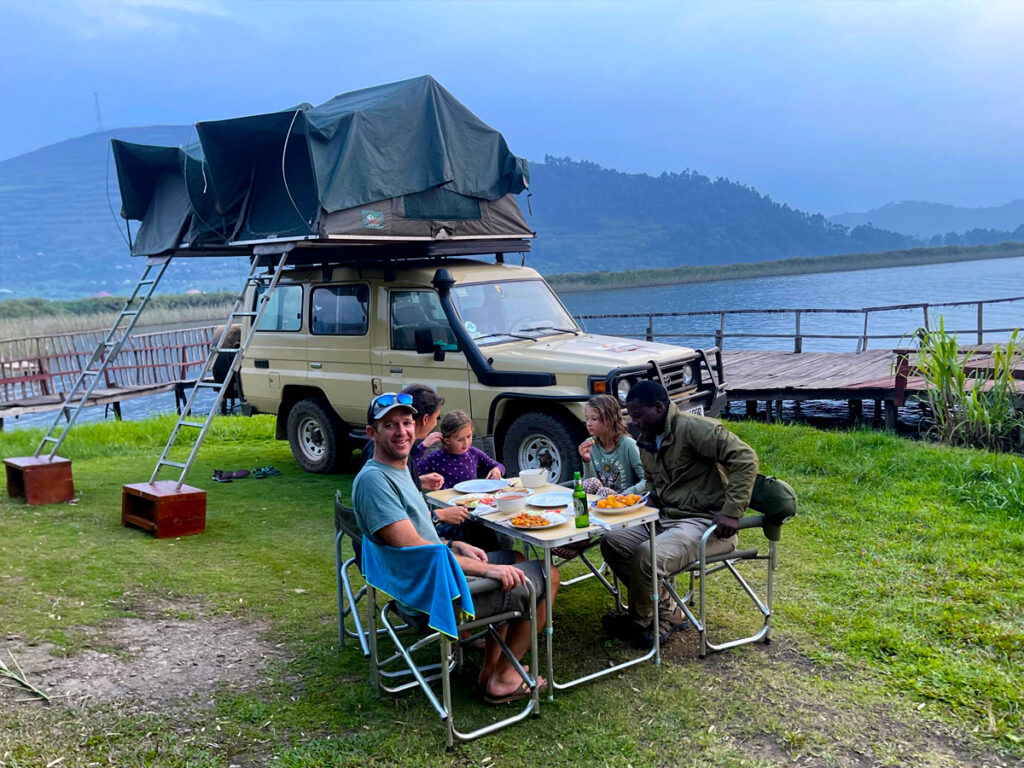
Dar es Salaam to Rwanda Gorilla Trekking and Great Migration Safari: Cost, Itinerary and Travel Guide
Introduction: Dar es Salaam to Rwanda Gorilla Trekking and Great Migration Safari
A Dar es Salaam to Rwanda gorilla trekking and Great Migration safari combines two of East Africa’s most extraordinary wildlife experiences. Starting in Tanzania’s commercial capital, this adventure takes travellers into the famous Serengeti ecosystem to witness the Great Wildebeest Migration before continuing to Rwanda for mountain gorilla trekking in Volcanoes National Park.
The journey is ideal for wildlife enthusiasts, couples, families with eligible children, photographers and international visitors who want to experience Tanzania’s spectacular savannah wildlife alongside Rwanda’s endangered mountain gorillas.
Your safari can begin with a flight from Dar es Salaam to northern Tanzania, followed by a wildlife adventure through Serengeti National Park and, depending on your available time, the Ngorongoro Conservation Area. After exploring Tanzania’s wildlife destinations, you can travel to Kigali, Rwanda, and continue to Volcanoes National Park for a guided gorilla trekking experience.
The total cost depends on your travel dates, accommodation category, number of travellers, transport arrangements and the number of nights spent in each destination. As an indicative planning budget, a combined 10–14-day trip may cost approximately US$4,000–US$8,000 per person, excluding international flights to Tanzania. Luxury itineraries and longer multi-country journeys may cost considerably more.
This guide explains the expected costs, recommended itinerary, best time to travel and practical arrangements for planning a Dar es Salaam–Tanzania Great Migration–Rwanda gorilla trekking safari.
1. How Much Does a Dar es Salaam to Rwanda Gorilla and Great Migration Safari Cost?
The total safari price depends on whether you choose budget camping, mid-range lodges or luxury tented camps. The number of nights in the Serengeti, the type of gorilla trekking accommodation and the cost of regional flights also influence the overall budget.
Indicative costs per person are shown below.
| Safari component | Estimated cost per person |
|---|---|
| 4–6-day Tanzania wildlife safari | $1,500–$3,500 |
| Rwanda gorilla trekking permit | Approximately $1,500 |
| 3–4 days in Rwanda, including accommodation and transfers | $500–$1,500 |
| Regional flights and airport transfers | $300–$1,000+ |
| Additional meals, tips and personal expenses | $200–$500 |
| Indicative combined total | $4,000–$8,000+ |
These figures are planning estimates rather than confirmed quotations. Costs can overlap depending on the package, so the final price should be calculated using an itemised itinerary. The table assumes a suitable Tanzania safari package and a Rwanda gorilla trekking arrangement; it does not include international flights to Dar es Salaam.
Travellers can reduce expenses by sharing a safari vehicle, choosing mid-range accommodation and planning regional flights efficiently. Private luxury safaris, peak-season accommodation and additional domestic flights can increase the cost significantly.
2. Starting Your Safari in Dar es Salaam, Tanzania
Dar es Salaam is a convenient starting point for travellers arriving in Tanzania before continuing to the country’s northern wildlife circuit.
After arriving at Julius Nyerere International Airport, you can spend a night in Dar es Salaam before travelling to northern Tanzania. Depending on your budget and schedule, you can fly to Kilimanjaro International Airport or Arusha, where you can connect with your safari operator.
Flying to northern Tanzania is usually more practical than driving all the way from Dar es Salaam to the Serengeti when you have limited holiday time. A road journey can be considered for a longer overland adventure, but it requires additional days and careful planning.
Recommended travel arrangements
For a comfortable multi-country safari, consider the following sequence:
- Arrive in Dar es Salaam and stay overnight if required.
- Fly to Kilimanjaro or another suitable northern Tanzania gateway.
- Begin your Serengeti and Ngorongoro wildlife safari.
- Complete your Tanzania safari and travel to Kigali, Rwanda, using an available flight connection.
- Transfer from Kigali to the Volcanoes National Park area.
- Enjoy mountain gorilla trekking before returning to Kigali.
Flight schedules vary, and a direct flight between the required destinations may not always be available. Some itineraries may require a connection through another East African airport or an additional overnight stay.
Travellers who want a more independent adventure can also explore East Africa 4×4 car rental and self-drive safari options in East Africa. However, cross-border vehicle permission, insurance, rental restrictions and border requirements must be confirmed before choosing a self-drive arrangement.
3. Tanzania Great Migration Safari: Serengeti National Park
Serengeti National Park is the highlight of the Tanzanian section of this trip. Its open plains, woodland areas and river systems support large populations of wildebeest, zebras, gazelles and predators.
The Great Wildebeest Migration is a seasonal movement of animals across the Serengeti ecosystem and into Kenya’s Maasai Mara. The herds move in response to rainfall and the availability of fresh grazing, so the best safari location depends on your travel dates.
A migration-focused itinerary should be designed around the expected location of the herds rather than relying on a fixed location throughout the year.
Best time to see the Great Migration in Tanzania
January to March: Calving season
The southern Serengeti and Ndutu plains are important calving areas during this period. Visitors may see newborn wildebeest, large grazing herds and predators such as lions, cheetahs and hyenas.
Read our Serengeti wildebeest calving season guide for more information about planning a safari during the calving period.
April to June: Western Serengeti
Depending on rainfall and herd movement, the western corridor and Grumeti region may offer excellent wildlife viewing. This period can also bring wetter road conditions and changes to travel times.
July to October: Northern Serengeti
The northern Serengeti is a popular area for visitors hoping to witness wildebeest river crossings. However, crossing events are unpredictable and cannot be guaranteed.
November to December: Movement towards the southern plains
As seasonal rains influence grazing conditions, the herds generally begin moving towards the eastern and southern plains.
Explore our Great Migration in Tanzania guide to help choose the best region for your travel dates.
How much does a Serengeti safari cost?
A 4–6-day Tanzania wildlife safari may cost approximately:
- Budget camping safari: US$1,000–US$1,800 per person.
- Mid-range lodge or tented camp safari: US$1,800–US$3,000 per person.
- Luxury migration safari: US$3,000–US$6,000 or more per person.
These indicative ranges depend on accommodation, group size, season, park fees, vehicle arrangements and the location of the migration. Some packages may also include Ngorongoro Crater or Tarangire National Park.
For the best experience, consider spending at least three nights in the Serengeti if the migration is the main reason for your trip.
4. Add Ngorongoro Crater to Your Tanzania Safari
Ngorongoro Conservation Area is an excellent addition to a Serengeti Great Migration safari. The crater offers a different landscape and outstanding opportunities to observe wildlife in a relatively compact area.
The crater floor supports populations of zebras, wildebeest, buffalo, elephants, lions and other animals. Visitors may also have an opportunity to see the endangered black rhinoceros, although sightings are never guaranteed.
Including Ngorongoro is especially worthwhile if you are already travelling through northern Tanzania and want to experience more than one wildlife destination.
How many days should you spend in Ngorongoro?
A typical itinerary allows one night in the Karatu or Ngorongoro area and a crater game drive the following day. More time may be required if you want to explore additional destinations in the conservation area.
Park and conservation charges, crater service fees, accommodation and vehicle arrangements should be confirmed in advance. These costs may be included in your Tanzania safari package or billed separately.
For travellers with 10–14 days available, combining Ngorongoro and Serengeti before continuing to Rwanda provides a varied wildlife experience without making the itinerary excessively rushed.
5. Rwanda Gorilla Trekking in Volcanoes National Park
After completing the Tanzania safari, continue to Kigali, Rwanda, for the second major highlight of the journey: mountain gorilla trekking.
Volcanoes National Park lies in northwestern Rwanda, near the borders with Uganda and the Democratic Republic of the Congo. Its forested volcanic slopes are home to endangered mountain gorillas and form part of the wider Virunga conservation landscape.
Gorilla trekking involves an early morning briefing followed by a guided walk through the forest to locate an assigned gorilla family. Trekking time and difficulty depend on the family’s location, terrain and weather conditions.
Once the gorillas are located, visitors follow the park’s instructions and observation rules to help protect the animals and their habitat.
How much does a Rwanda gorilla trekking permit cost?
The standard gorilla trekking permit price for international visitors has been US$1,500 per person. Travellers should verify the current official price, eligibility conditions and availability with the Rwanda Development Board before booking.
The permit is not necessarily the same as the total cost of the Rwanda portion of your safari. Accommodation, meals, transfers between Kigali and Volcanoes National Park, guide services and additional activities may be charged separately.
What is included in a Rwanda gorilla trekking package?
Depending on the operator, a package may include:
- Gorilla trekking permit.
- Transfer from Kigali to Volcanoes National Park.
- Accommodation in Musanze or near the park.
- Meals during the tour.
- Local transport and guide services.
- Airport transfers.
- Pre-trek or post-trek accommodation.
Always request an itemised quotation so you can see whether the permit and transfers are included in the advertised price.
For more information, read our Rwanda gorilla trekking guide.
6. Sample 12-Day Dar es Salaam, Great Migration and Rwanda Gorilla Trekking Itinerary
This sample itinerary combines a Tanzania wildlife safari with gorilla trekking in Rwanda. It is a planning framework, and the exact sequence should be adjusted according to flight schedules, migration movements and permit availability.
Day 1: Arrive in Dar es Salaam
Arrive at Julius Nyerere International Airport and transfer to your hotel. Depending on your arrival time, relax after your flight or explore selected attractions in the city.
Day 2: Travel to northern Tanzania
Fly from Dar es Salaam to Kilimanjaro International Airport or another suitable gateway. Transfer to your accommodation in Arusha or proceed according to your safari arrangements.
Day 3: Tarangire National Park or Ngorongoro area
Begin your wildlife adventure with a visit to Tarangire National Park, known for its elephants, baobab trees and diverse wildlife. Alternatively, your operator may arrange an itinerary that begins closer to Ngorongoro.
Day 4: Ngorongoro Crater
Enjoy a game drive in Ngorongoro Crater, exploring its grasslands, wetlands and wildlife habitats. Spend the night in the Ngorongoro or Karatu area.
Days 5–7: Serengeti National Park
Travel to the Serengeti and spend several days exploring the region best suited to your travel dates. Enjoy game drives and search for wildebeest, zebras, lions, cheetahs, elephants and other wildlife.
During the calving season, focus on the southern Serengeti and Ndutu area. During the northern migration season, consider the northern Serengeti.
Day 8: Return towards the airport and travel to Kigali
Depending on your flight arrangements, transfer to an appropriate airport in Tanzania for your onward journey to Kigali. An overnight stop or alternative connection may be necessary.
Day 9: Kigali to Volcanoes National Park
Travel from Kigali to the Musanze area, near Volcanoes National Park. Check into your accommodation and prepare for the next day’s gorilla trek.
Day 10: Gorilla trekking in Rwanda
Join your authorised gorilla trekking excursion. After the morning briefing, enter the forest with park guides to search for an assigned mountain gorilla family.
Return to your accommodation after the trek and enjoy a relaxing evening.
Day 11: Explore Rwanda or return to Kigali
Depending on your interests and flight schedule, explore the Musanze area or return to Kigali. You can also add a cultural activity or visit selected attractions in the capital.
Day 12: Departure
Transfer to Kigali International Airport for your onward flight.
Important: This itinerary is relatively busy. For a more relaxed holiday, consider 13–15 days, especially if your flights do not connect conveniently or you want more time in the Serengeti.
7. Additional Costs to Budget For
When calculating the total cost of a Dar es Salaam to Rwanda gorilla trekking and Great Migration safari, remember to include the following expenses.
International flights
Flights to Dar es Salaam from your home country are normally excluded from the safari package. The cost depends on your origin, airline, travel season and baggage requirements.
Regional flights
Your itinerary may require flights from Dar es Salaam to northern Tanzania and from Tanzania to Kigali. Depending on schedules and the chosen airports, connections may involve additional transfers or overnight accommodation.
Accommodation
Your accommodation budget will depend on whether you choose budget hotels, camping, mid-range lodges or luxury tented camps.
Serengeti accommodation can be particularly expensive during popular migration periods, especially in locations with high demand. Booking early can improve your choice of camps and rooms.
Park and conservation fees
Tanzania’s national park and conservation charges may include entry fees, vehicle charges, camping fees, concession fees and other applicable charges. Ngorongoro Crater visits can involve additional fees.
Confirm the current tariffs and whether each charge is included in your safari quotation.
Meals, drinks and tips
Some packages include all meals, while others include only selected meals. Budget for drinks, tips, laundry, snacks and personal expenses where these are not covered.
Travel insurance
Travel insurance is strongly recommended. Check that the policy covers your intended activities, medical expenses, emergency evacuation and the relevant destinations.
8. How to Reduce the Cost of Your Safari
A combined Tanzania and Rwanda safari can be expensive, but a few planning decisions can help control the budget.
Travel as a group. Sharing a safari vehicle and guide can reduce the per-person transport cost.
Choose suitable accommodation. Mid-range lodges and tented camps can provide a good balance between comfort and cost.
Book gorilla permits early. Permit availability can determine the dates of your Rwanda stay, so confirm permits before making non-refundable travel arrangements.
Match your Serengeti location to the migration. Planning around the expected herd movements helps reduce unnecessary driving and maximises your time in the wildlife areas.
Compare complete packages. Check whether your quotation includes flights, transfers, permits, accommodation, meals, park fees and guide services.
Avoid unnecessary backtracking. Use a logical route from Dar es Salaam to northern Tanzania and then onward to Rwanda, based on available flights.
Allow enough time. A rushed itinerary can create extra transport costs and reduce the time available for wildlife viewing. Additional nights may be worthwhile if they improve the overall route.
9. Is a Dar es Salaam to Rwanda Gorilla and Great Migration Safari Worth It?
This multi-country safari combines Tanzania’s expansive savannahs with Rwanda’s misty volcanic forests.
The Tanzania portion offers opportunities to witness the Great Wildebeest Migration, observe large predators and explore famous destinations such as Serengeti National Park and Ngorongoro Crater. The Rwanda portion offers the rare opportunity to observe mountain gorillas in their natural forest habitat under authorised park arrangements.
Starting in Dar es Salaam is practical for travellers arriving in Tanzania who want to include a northern circuit safari before continuing to Rwanda. However, flight schedules and the location of the migrating herds should determine the final route.
For the best experience, choose your travel dates first, confirm the gorilla permit, identify the most suitable Serengeti region and then arrange accommodation and transport around those priorities.
Frequently Asked Questions
How much does a Dar es Salaam to Rwanda gorilla trekking and Great Migration safari cost?
A combined 10–14-day safari may cost approximately US$4,000–US$8,000 or more per person, excluding international flights to Tanzania. The final price depends on accommodation, group size, permits, park fees, regional flights and the safari season.
Can I start my Great Migration and gorilla trekking safari in Dar es Salaam?
Yes. You can start in Dar es Salaam, travel to northern Tanzania for a Serengeti and Ngorongoro safari, and then continue to Kigali for gorilla trekking in Rwanda.
How many days do I need for this trip?
Allow approximately 10–14 days for a combined trip. A 13–15-day itinerary is preferable if you want additional time in the Serengeti, a more relaxed pace or greater flexibility for regional flights.
What is the best time to see the Great Migration?
January to March is popular for wildebeest calving in southern Serengeti and Ndutu. July to October is popular for migration viewing in the northern Serengeti, when river crossings may occur. Herd movements depend on rainfall and cannot be guaranteed.
How much is a Rwanda gorilla trekking permit?
The standard permit price for international visitors has been US$1,500 per person. Confirm the current official rate and availability before booking.
Can I visit the Serengeti and Rwanda on a self-drive safari?
Selected parts of the trip may be possible by self-drive, but cross-border vehicle permissions, insurance and rental conditions must be confirmed in advance. Gorilla trekking itself must follow authorised park arrangements. For a shorter multi-country holiday, a guided Tanzania safari combined with organised Rwanda gorilla trekking is often more straightforward.
Are regional flights included in the safari price?
Not always. Some packages include regional flights, while others charge separately for flights between Dar es Salaam, northern Tanzania and Kigali. Request an itemised quotation before booking.
Can I add Zanzibar to this safari?
Yes. Zanzibar can be added before or after the wildlife adventure. However, adding a beach stay requires extra nights and transport arrangements. Consider extending the trip to approximately 14–17 days if you want to enjoy Zanzibar without rushing the safari.
Plan Your Dar es Salaam to Rwanda Gorilla Trekking and Great Migration Safari
A journey from Dar es Salaam to the Serengeti and onward to Rwanda offers an unforgettable combination of wildlife viewing, dramatic landscapes and mountain gorilla trekking.
Whether you prefer comfortable mid-range lodges, camping adventures or luxury tented camps, your itinerary can be tailored to your travel dates, budget and wildlife interests.
Contact Self drive Dar es salaam to request a personalised quotation for a Dar es Salaam–Tanzania Great Migration–Rwanda gorilla trekking safari. Share your preferred dates, number of travellers, accommodation category and estimated budget to receive a suitable itinerary.
You can also explore our East African safari packages, Great Migration in Tanzania guide and Rwanda gorilla trekking guide for more inspiration when planning your East African adventure.