
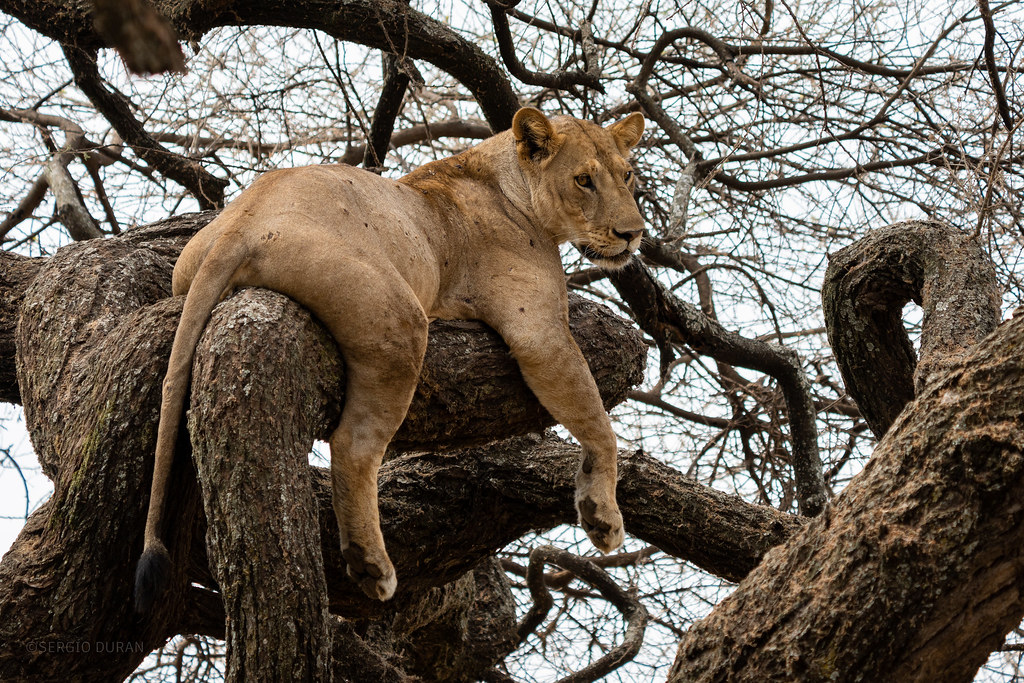
Southern Tanzania Big Five Self-Drive Safari: 4×4 Car Rental Guide
Discover the wild beauty of Southern Tanzania on an unforgettable Southern Tanzania Big Five self-drive safari. With a reliable 4×4 rental from Self Drive Tanzania, you can explore remote wilderness areas, search for lions and elephants, enjoy scenic river landscapes, and experience a quieter side of Tanzania away from some of the busier northern safari routes.
Southern Tanzania is ideal for independent travelers who want a more adventurous wildlife experience. The region includes remarkable destinations such as Ruaha National Park, Nyerere National Park, and Mikumi National Park, each offering distinctive landscapes and wildlife encounters. You can also combine your safari with the Udzungwa Mountains, the Southern Highlands, and coastal destinations around Dar es Salaam.
The Southern Circuit is particularly attractive to travelers who value open landscapes, diverse wildlife, flexible road trips, and opportunities to camp at approved sites. While the region offers excellent opportunities to see lions, leopards, elephants, and buffaloes, rhinoceros sightings are not a reliable expectation across the Southern Circuit. Travelers whose main goal is to see all five members of the Big Five should consider including a destination known for rhinoceros conservation.
Planning a Southern Tanzania safari? Choose a suitable 4×4, decide between lodge accommodation and rooftop-tent camping, and prepare for an independent journey through some of Tanzania’s most spectacular wilderness areas.
Why Choose a Southern Tanzania Self-Drive Safari?
Southern Tanzania offers a different atmosphere from the popular northern safari circuit. Its extensive wilderness areas, varied scenery, and opportunities for longer road trips appeal to travelers who prefer exploring at their own pace.
With a suitable 4×4 vehicle, you can design a route around your interests, whether you want to focus on wildlife, combine national parks, or travel between the coast and the Southern Highlands.
A Southern Tanzania self-drive safari offers opportunities to:
- Explore Ruaha, Nyerere, and Mikumi national parks.
- Search for lions, leopards, elephants, buffaloes, and other wildlife.
- Enjoy wildlife photography in less-developed safari areas.
- Travel from Dar es Salaam, Iringa, or another agreed pickup location.
- Camp at designated campsites using a rooftop-tent vehicle.
- Combine wildlife viewing with hiking and scenic highland routes.
- Experience a more independent alternative to a fully guided safari.
However, Southern Tanzania covers large distances, and some parks have challenging road conditions. Careful planning is essential, especially if you want to visit more than one park or travel during the rainy season.
Best National Parks for a Southern Tanzania Self-Drive Safari
1. Ruaha National Park
Ruaha National Park is one of Tanzania’s most remarkable wilderness destinations. Known for its rugged landscapes, ancient baobabs, and impressive wildlife, it is an excellent choice for travelers seeking a remote safari experience.
The park supports elephants, lions, leopards, buffaloes, giraffes, and numerous antelope species. The Great Ruaha River and other seasonal water sources can influence wildlife movements, especially during drier periods.
Ruaha is particularly rewarding for travelers who want to spend several days exploring one destination rather than rushing between parks.
Best for: Wildlife photography, elephants, large predators, wilderness camping, and extended self-drive game viewing.
Self-drive tip: Check current park road conditions, accommodation access, and the suitability of your rental vehicle before departure. Distances inside Ruaha can be substantial.
2. Nyerere National Park
Nyerere National Park offers extensive wilderness, riverine forests, woodland, grassland, and the remarkable Rufiji River system.
The park is home to elephants, lions, leopards, buffaloes, hippos, crocodiles, and many bird species. Its scenery and wildlife habitats provide a different experience from the dry savannah landscapes associated with some other Tanzanian parks.
Nyerere is a strong choice for travelers starting from Dar es Salaam who want to combine a road trip with a wildlife adventure.
Some activities, including boat safaris and walking safaris, are generally arranged through authorized operators or designated facilities. Do not assume that every activity is available independently or included in your vehicle rental.
Best for: River landscapes, elephants, birdwatching, diverse wildlife, and a safari close to the coast.
Self-drive tip: Confirm which park gates and accommodation facilities are accessible to your vehicle and whether advance arrangements are required.
3. Mikumi National Park
Mikumi National Park is one of the most accessible wildlife destinations in Southern Tanzania. Located near the main highway connecting Dar es Salaam with Morogoro and Iringa, it is a practical option for travelers with limited time.
The Mkata Floodplain is known for its open grasslands and wildlife-viewing opportunities. Visitors may encounter elephants, buffaloes, lions, giraffes, zebras, wildebeest, and a variety of antelope.
Mikumi can be a good introduction to self-drive safaris for travelers who do not have enough time for a longer journey into Ruaha or Nyerere.
Best for: Short wildlife trips, first-time self-drive travelers, and road trips starting in Dar es Salaam.
Self-drive tip: Consider spending at least one night near the park to allow enough time for wildlife viewing without rushing the journey.
4. Udzungwa Mountains National Park
Udzungwa Mountains National Park provides a different experience from the region’s savannah parks. Its forests, mountain scenery, waterfalls, and hiking trails make it a useful addition to a Southern Tanzania road trip.
The park is known for biodiversity, endemic species, and forest wildlife rather than being a traditional Big Five destination.
Activities often involve guided hiking, and requirements vary by trail and activity.
Best for: Hiking, birdwatching, forest scenery, and travelers who want to combine wildlife safaris with outdoor adventures.
Self-drive tip: Confirm hiking arrangements and trail conditions in advance. A 4×4 can help with the wider road trip, but it does not replace the need to follow the park’s hiking rules.
5. Saadani National Park
Saadani National Park lies along Tanzania’s Indian Ocean coast and offers a distinctive combination of coastal habitats and wildlife.
Depending on conditions and wildlife movements, visitors may encounter elephants, buffaloes, giraffes, and other animals. The park is not the strongest choice if your priority is seeing every member of the Big Five, but its coastal setting makes it an interesting alternative.
Saadani is best suited to travelers who want to combine wildlife viewing with the coast rather than focus exclusively on a traditional Big Five safari.
Best for: Coastal landscapes, a different style of wildlife experience, and itineraries connecting Dar es Salaam with northern coastal destinations.
Self-drive tip: Check access routes, ferry or transfer arrangements where applicable, and current park driving requirements before departure.
Can You See the Big Five in Southern Tanzania?
Southern Tanzania is excellent for wildlife viewing, but travelers should distinguish between seeing four commonly encountered large mammals and planning specifically to see all five members of the Big Five.
The Big Five are lions, leopards, elephants, African buffaloes, and rhinoceroses.
Lions
Ruaha, Nyerere, and Mikumi offer opportunities to encounter lions. Sightings depend on wildlife movements, time of day, habitat, and luck.
Leopards
Leopards occur in suitable habitats across parts of the Southern Circuit. Their solitary behaviour and camouflage make them difficult to find, even during extended game drives.
Elephants
Elephants are one of the major attractions in Ruaha and Nyerere, and they can also be encountered in other southern parks. Always maintain a safe distance and follow park instructions.
African buffaloes
Buffaloes inhabit several southern wildlife areas. They may be seen in herds or smaller groups, but encounters should always be treated with caution.
Rhinoceroses
Rhinoceros sightings are not a reliable feature of a typical Southern Tanzania self-drive itinerary. If seeing the complete Big Five is your main priority, consider adding a suitable northern Tanzania destination or another recognized rhino conservation area to your wider trip.
Important: No self-drive itinerary can guarantee sightings of all five species.
Best 4×4 Car Rental for Southern Tanzania
The right vehicle depends on your route, group size, camping requirements, and the conditions expected during your visit.
Toyota Land Cruiser Prado
The Toyota Land Cruiser Prado is a comfortable option for couples, families, and small groups. It offers a useful balance of ground clearance, passenger comfort, and luggage capacity for a range of Tanzanian road trips.
Confirm that the specific vehicle is approved for your intended park and route.
Toyota Land Cruiser 70 Series
A Land Cruiser 70 Series is worth considering for travelers prioritizing rugged construction and remote-area travel.
Vehicle configurations vary, so check passenger capacity, luggage space, spare wheels, recovery equipment, insurance, and park-use authorization before booking.
Toyota Hilux 4×4
A Toyota Hilux 4×4 is a versatile option for travelers who need a pickup configuration or want to carry camping equipment.
Depending on the rental package, it may be available with a rooftop tent and selected camping essentials.
4×4 with Rooftop Tent
A rooftop-tent rental gives you the flexibility to camp at approved campsites during your Southern Tanzania safari.
Ask whether your package includes a tent, mattress, bedding, refrigerator, cooking equipment, utensils, table, chairs, and recovery equipment. Confirm which campsites accept your setup and whether advance reservations are necessary.
When booking with Self Drive Tanzania, request clear details about insurance, mileage, park access, breakdown assistance, recovery arrangements, and any restrictions on remote routes.
Suggested 8-Day Southern Tanzania Self-Drive Safari Itinerary
This itinerary combines Mikumi, Udzungwa, and Ruaha. It is designed as a road-trip framework rather than a guarantee of specific wildlife sightings. Check current access conditions and adjust the route to your rental agreement and accommodation bookings.
Day 1: Arrive in Dar es Salaam
Collect your 4×4 rental according to your booking arrangements. Inspect the vehicle, check the spare wheel and recovery equipment, and review your emergency contact details.
Purchase supplies and prepare for the journey inland.
Overnight: Dar es Salaam.
Day 2: Dar es Salaam to Mikumi National Park
Drive towards Mikumi National Park, allowing time for the road journey and arrival procedures.
If your arrival time and park rules allow, enjoy a game drive before heading to your accommodation.
Overnight: Mikumi area.
Day 3: Full-Day Mikumi Safari
Spend the day exploring designated park roads and searching for elephants, buffaloes, lions, giraffes, and other wildlife.
Move slowly through suitable habitats and follow all park regulations.
Overnight: Mikumi area.
Day 4: Mikumi to Udzungwa Mountains
Travel towards Udzungwa Mountains National Park. The journey provides an opportunity to experience the changing landscapes of the Southern Highlands.
Arrange any hiking activity in advance and check whether a guide is required for your selected trail.
Overnight: Udzungwa area.
Day 5: Hiking and Scenic Exploration
Spend the day exploring an approved hiking route or enjoying the surrounding landscapes, depending on your interests and the conditions.
Udzungwa is a forest and mountain destination rather than a Big Five game-drive park, so this day adds variety to the itinerary.
Overnight: Udzungwa area or along the onward route.
Day 6: Drive Towards Ruaha National Park
Begin the journey towards Ruaha, allowing sufficient time for the road conditions, fuel stops, and access to your booked accommodation.
Avoid planning an ambitious game drive if you arrive late.
Overnight: Ruaha area.
Day 7: Full-Day Ruaha Safari
Spend the day exploring designated routes in Ruaha National Park.
Look for elephants, buffaloes, lions, leopards, and other wildlife. Choose a manageable route based on your accommodation location and current park conditions.
Overnight: Ruaha area.
Day 8: Return Journey or Extend Your Safari
Begin your return journey according to your vehicle drop-off location. If you need to return to Dar es Salaam, plan for a long transfer and consider adding an overnight stop.
For a more relaxed trip, extend your stay in Ruaha or add Nyerere National Park as a separate part of a longer itinerary.
Planning advice: Southern Tanzania involves substantial driving distances. An eight-day trip can introduce several destinations, but nine to twelve days may provide a more comfortable pace for travelers who want more wildlife-viewing time.
Best Time for a Southern Tanzania Self-Drive Safari
Southern Tanzania can be visited throughout the year, but weather and road conditions influence the best time for independent travel.
June to October: The dry season is generally popular for wildlife viewing. Vegetation may be less dense, and animals can concentrate around remaining water sources. Accommodation availability and road conditions should still be checked.
November to December: Short rains may bring greener landscapes, although rain can affect some roads.
January to February: Conditions vary by location, but this period can be suitable for some southern safari itineraries. Check local weather and park access before departing.
March to May: The long rains can make some unpaved tracks muddy or difficult to navigate. Certain facilities or routes may have seasonal restrictions, so confirm access before booking.
The best time depends on your chosen parks, accommodation, and preferred driving conditions. Always check current park guidance before travelling.
Southern Tanzania Self-Drive Safari Costs
Your total budget depends on the length of your trip, vehicle model, accommodation, number of travelers, and national parks visited.
Budget for the following expenses:
- 4×4 car rental.
- Fuel and any additional transport costs.
- National park entry and vehicle charges.
- Accommodation or approved campsite fees.
- Food and drinking water.
- Optional guided activities.
- Camping equipment, if not included.
- Insurance excess and applicable rental extras.
How much does a Southern Tanzania 4×4 rental cost?
Rental rates depend on the vehicle, rental duration, travel season, camping equipment, and pickup or drop-off arrangements.
A rooftop-tent package may cost more than a standard vehicle because it includes additional equipment. One-way rentals and remote delivery arrangements may also affect the price.
Request an itemised quote from Self Drive Tanzania and confirm whether the vehicle is approved for your planned parks. Obtain current official park tariffs separately so that you can estimate the full cost of your trip.
Essential Tips for Driving in Southern Tanzania
Choose a suitable 4×4. Consider ground clearance, tire condition, spare wheels, recovery equipment, and the road conditions expected during your trip.
Plan fuel stops. Distances between fuel stations can be significant on remote routes. Know your vehicle’s range and refuelling options.
Carry adequate supplies. Bring drinking water, food where necessary, a first-aid kit, and essential personal items.
Use offline navigation. Mobile connectivity may be unreliable in remote areas.
Check park access. Confirm entry procedures, operating hours, vehicle restrictions, and road conditions with park authorities.
Respect wildlife. Maintain safe distances and never approach animals on foot outside permitted areas.
Avoid night driving where possible. Plan transfers around daylight and the conditions of the roads you will use.
Check insurance and recovery support. Confirm coverage for your intended routes, insurance excess, exclusions, and emergency procedures.
Book campsites and lodges in advance. Availability may be limited in remote areas, particularly during popular travel periods.
Combine Southern Tanzania with Zanzibar and the Coast
Southern Tanzania offers an excellent opportunity to combine wildlife viewing with a coastal holiday.
Travelers can begin in Dar es Salaam, explore Mikumi or Nyerere, and continue to the coast or arrange a separate transfer to Zanzibar. Another option is to combine the Southern Highlands with Ruaha for a longer overland journey.
If you plan to cross into Kenya, Malawi, Zambia, or another neighbouring country, obtain written permission from the rental company and confirm insurance, vehicle documentation, border requirements, and any additional fees.
Not every rental vehicle is authorized for international travel or every remote-area route.
Book Your Southern Tanzania 4×4 Car Rental
Ready to explore Southern Tanzania independently?
Self Drive Tanzania can help you select a suitable vehicle based on your dates, group size, route, and camping preferences.
Choose a Toyota Land Cruiser Prado, Land Cruiser 70 Series, Toyota Hilux 4×4, or a suitable rooftop-tent vehicle, subject to availability and park-use authorization.
When requesting your quotation, provide your pickup and drop-off locations, travel dates, number of travelers, preferred vehicle, and whether you need camping equipment or lodge accommodation.
Ask for a written breakdown of the rental price, insurance, mileage, equipment, and emergency support before confirming your booking.
Request your Southern Tanzania self-drive safari quotation today and discover Ruaha, Nyerere, Mikumi, and the spectacular landscapes of Tanzania’s southern wilderness.
Frequently Asked Questions About Southern Tanzania Self-Drive Safaris
Which are the best national parks for a Southern Tanzania self-drive safari?
Ruaha, Nyerere, and Mikumi are among the leading choices. Ruaha offers extensive wilderness, Nyerere features river landscapes, and Mikumi is convenient for shorter trips from Dar es Salaam.
Can I see the Big Five in Southern Tanzania?
Southern Tanzania offers opportunities to see lions, leopards, elephants, and buffaloes. Rhinoceros sightings are not a reliable expectation on a typical Southern Circuit itinerary, so plan carefully if seeing all five species is essential.
Do I need a 4×4 to explore Southern Tanzania?
A suitable 4×4 is recommended for many park routes and remote journeys, particularly where road conditions vary. Confirm vehicle requirements for your exact itinerary.
How many days do I need for a Southern Tanzania safari?
Seven to ten days is a useful starting point for combining destinations. Longer trips allow more time for wildlife viewing and reduce the pressure of long driving days.
Can I rent a rooftop-tent 4×4 in Tanzania?
Selected rental packages include rooftop tents and camping equipment. Confirm availability, included items, approved campsites, and park-use authorization before booking.
Is Mikumi suitable for a short self-drive safari?
Yes. Mikumi is a practical choice for travelers starting from Dar es Salaam who want a relatively accessible wildlife experience. Allow enough time for both the journey and game drives.
Is Ruaha suitable for self-driving?
Independent exploration may be possible subject to park regulations and vehicle authorization. Ruaha’s size and road conditions make careful planning especially important.
Can I combine Ruaha and Nyerere in one trip?
Yes, but allow sufficient time for the road transfers and park visits. The best route depends on your pickup and drop-off locations, vehicle arrangements, and available days.
Can I combine a Southern Tanzania safari with Zanzibar?
Yes. A southern safari can be combined with Zanzibar, although you should plan the mainland transfer and island transport separately.
How do I book a Southern Tanzania self-drive 4×4?
Provide your travel dates, pickup and drop-off locations, number of travelers, preferred vehicle, and camping requirements. Request a written quotation with insurance, equipment, and park-use details before confirming your reservation.