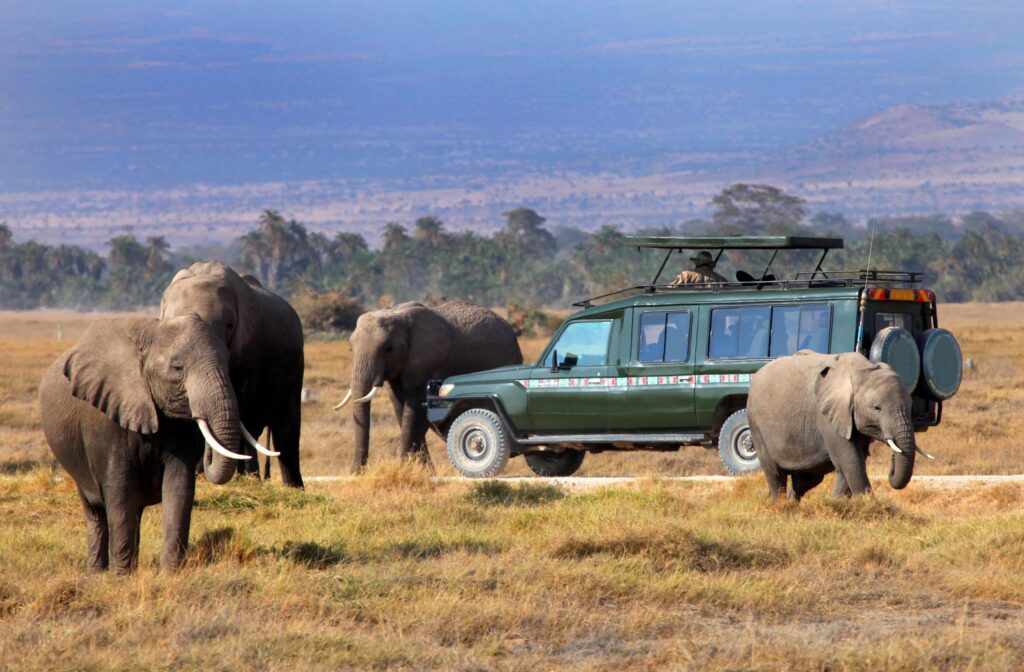
Southern & Western Tanzania Overland Adventure: The Ultimate Self-Drive Safari Through Tanzania’s Wildest Parks
For travelers who believe the best adventures begin where the tarmac ends, southern and western Tanzania offer one of Africa’s most extraordinary overland experiences. This route takes you through vast national parks, isolated game reserves, ancient forests, and the shores of Lake Tanganyika and Lake Victoria, revealing a side of Tanzania that remains untouched by mass tourism.
Unlike the well-known Northern Safari Circuit, this expedition is about exploration. It is designed for experienced self-drive travelers who appreciate remote landscapes, challenging roads, authentic camping, and unforgettable wildlife encounters. From the immense wilderness of Nyerere National Park to the chimpanzee forests of Mahale Mountains and the island paradise of Rubondo, every destination offers something unique.
Whether you are planning an extended self-drive holiday or an overland expedition across Tanzania, this itinerary showcases some of the country’s most spectacular wilderness areas.
Begin the Adventure in Dar es Salaam
Your journey starts in Tanzania’s largest city, where you collect your fully equipped 4×4 before heading southwest toward the country’s largest protected wilderness.
Leaving the busy streets behind, the scenery gradually changes from coastal vegetation to rural villages and open landscapes, marking the beginning of an unforgettable safari.
Nyerere National Park – Africa’s Largest Wildlife Sanctuary
The first destination is Nyerere National Park, one of the largest protected ecosystems in Africa. Covering more than 30,000 square kilometers, the park offers an incredible diversity of wildlife while remaining remarkably uncrowded.
Game drives here frequently reveal large elephant herds, lions resting beneath acacia trees, graceful giraffes, buffalo, zebras, hippos, crocodiles, and countless bird species. The Rufiji River provides one of Tanzania’s finest safari settings, attracting wildlife throughout the dry season.
Camping inside the park allows visitors to experience the true rhythm of the African bush, where the sounds of nocturnal wildlife replace city noise.
Crossing to Mikumi National Park
Leaving Nyerere through Matambwe and Kisaki, the route continues toward Mikumi National Park.
The drive itself becomes part of the adventure. During the dry season, the Kisaki–Morogoro road is generally accessible for well-prepared 4×4 vehicles. While sections can be rough and corrugated, they remain manageable for experienced self-drive travelers.
Mikumi’s open plains provide excellent opportunities to spot elephants, giraffes, zebras, wildebeest, and lions before continuing west toward Tanzania’s southern highlands.
Ruaha National Park – Tanzania’s Predator Paradise
From Mikumi, the journey continues to Iringa, where travelers should refuel before entering Ruaha National Park.
Ruaha is Tanzania’s largest national park and is widely considered one of Africa’s premier destinations for predator sightings. Lions are particularly abundant, while leopards, cheetahs, spotted hyenas, and African wild dogs also inhabit the park.
The landscape is equally impressive. Giant baobab trees dominate the horizon, rocky escarpments overlook seasonal rivers, and endless miombo woodlands create dramatic scenery unlike anywhere else in East Africa.
Spending several days here allows visitors to appreciate both the exceptional wildlife and the peaceful atmosphere that makes Ruaha so special.
Into Tanzania’s Remote Wilderness
Beyond Ruaha, the expedition enters one of Tanzania’s least explored regions.
Traveling through Kizigo Game Reserve and the Rungwa ecosystem is an experience reserved for genuine adventure seekers. Roads become narrower, settlements become fewer, and wildlife becomes increasingly common.
This section of the journey rewards careful planning and patience. Elephants may appear unexpectedly along the road, antelope graze peacefully beside remote tracks, and predators often patrol these isolated landscapes without the presence of tourist vehicles.
Camping beneath clear African skies becomes one of the highlights of the expedition.
Katavi National Park – Tanzania’s Hidden Treasure
Katavi National Park remains one of Africa’s greatest safari secrets.
Because of its remote location, relatively few visitors make the journey, yet those who do are rewarded with extraordinary wildlife viewing.
During the dry season, rivers and floodplains shrink dramatically, concentrating thousands of animals around the remaining water sources. Massive buffalo herds, enormous hippo pods, crocodiles, elephants, and lions gather in remarkable numbers.
For photographers and wildlife enthusiasts, Katavi offers some of Tanzania’s most authentic safari experiences.
Mahale Mountains – Chimpanzees and Lake Tanganyika
From Katavi, the expedition continues toward the eastern shore of Lake Tanganyika.
Vehicles are left safely near the park headquarters before boarding a boat across the lake to Mahale Mountains National Park.
Mahale is internationally recognized for its habituated chimpanzee communities. Guided forest walks provide unforgettable opportunities to observe these intelligent primates in their natural habitat.
Outside the forest, the park offers crystal-clear waters, sandy beaches, kayaking opportunities, and breathtaking mountain scenery that creates a perfect contrast to the savannah landscapes visited earlier in the journey.
Searching for the Shoebill in Moyowosi
Leaving Mahale behind, the route turns north toward Moyowosi Game Reserve.
This vast wetland ecosystem is one of Tanzania’s premier birdwatching destinations and one of the country’s best locations to search for the elusive shoebill stork.
The reserve also supports healthy populations of buffalo, elephant, crocodile, hippo, and numerous aquatic bird species, making every game drive both peaceful and rewarding.
Because visitor numbers remain extremely low, Moyowosi offers an exclusive wilderness experience rarely found elsewhere in East Africa.
Discover Burigi-Chato National Park
As the journey approaches Lake Victoria, Burigi-Chato National Park introduces a completely different environment.
Rolling hills, lakes, grasslands, and woodlands create habitats for giraffes, zebras, topi, eland, buffalo, and many bird species.
The park remains one of Tanzania’s newest protected areas, making it an excellent destination for travelers seeking fresh discoveries away from traditional safari routes.
Rubondo Island – Tanzania’s Island Wilderness
One of the most unique highlights of this expedition is Rubondo Island National Park.
Accessible only by boat, Rubondo combines rainforest, lakeshore beaches, and abundant wildlife in one remarkable destination.
Visitors can enjoy forest walks, canoe excursions, birdwatching, fishing, and even chimpanzee tracking while experiencing the peaceful atmosphere of Lake Victoria.
An overnight stay on the island provides a refreshing conclusion to weeks of overland exploration.
Finish the Journey in Mwanza
The final stage leads to Mwanza, Tanzania’s lakeside city famous for its impressive granite rock formations and vibrant waterfront.
After weeks of exploring some of Africa’s wildest landscapes, Mwanza offers a comfortable place to relax before returning your vehicle and continuing your journey home.
Driving Conditions
This expedition combines excellent tarmac highways with long stretches of gravel and dirt roads.
During the dry season, particularly between June and October, road conditions are generally favorable for experienced self-drive travelers. Nevertheless, visitors should expect rough sections, corrugations, dust, occasional sandy areas, and slow travel speeds in remote regions.
Careful planning and conservative driving are essential throughout the journey.
Fuel and Supplies
Fuel stations become increasingly scarce as you move farther west.
Major refueling opportunities include Dar es Salaam, Morogoro, Iringa, Inyonga, Kigoma, Nyakanazi, Chato, and Mwanza.
Carrying additional fuel, drinking water, food supplies, and basic vehicle spares is highly recommended, especially between Ruaha and Katavi where services are extremely limited.
The Right Vehicle Makes the Difference
A journey of this scale requires a dependable expedition vehicle.
A fully equipped Toyota Land Cruiser with high ground clearance, low-range four-wheel drive, two spare tires, recovery equipment, camping gear, refrigeration, and offline navigation provides the confidence needed to explore Tanzania’s remote wilderness safely.
Reliable mechanical support before departure is equally important, as assistance may be several hundred kilometers away.
Best Time to Explore
The ideal period for this expedition is from June through October, when roads are dry, wildlife viewing reaches its peak, and camping conditions are at their best.
August is particularly attractive because animals gather around permanent water sources, making wildlife encounters frequent throughout the journey.
Traveling during the dry season also minimizes the likelihood of difficult road conditions in the more remote sections of western Tanzania.
A Journey Few Travelers Experience
This Southern and Western Tanzania Overland Adventure is more than a safari—it is a journey through some of Africa’s last great wildernesses. It combines iconic national parks with hidden reserves, extraordinary wildlife with breathtaking scenery, and remote camping with unforgettable cultural and natural experiences.
For those seeking an authentic expedition beyond the traditional safari circuit, few routes offer the same level of diversity and adventure. With the right preparation, a reliable 4×4, and a spirit of exploration, this remarkable journey promises memories that will last a lifetime.
If you’re ready to discover Tanzania’s wild south and west, our team can provide fully equipped self-drive vehicles, camping equipment, route planning, and expert local advice to help you embark on one of East Africa’s most rewarding overland adventures.