20 Days Epic DIY Self-Drive Tanzania Safari: The Ultimate Adventure Across Tanzania’s Wild Landscapes
Introduction
Tanzania is one of Africa’s most spectacular safari destinations, offering vast wilderness areas, incredible wildlife concentrations, dramatic landscapes, rich cultural experiences, and some of the continent’s most iconic national parks. While many visitors choose guided tours, an increasing number of adventurous travelers are discovering the freedom and excitement of a self-drive safari.
A 20-day DIY self-drive safari is the perfect way to experience Tanzania at your own pace. It provides enough time to explore the country’s famous Northern Circuit while also venturing into lesser-known destinations that many organized tours overlook. From the elephant-filled plains of Tarangire to the endless grasslands of the Serengeti, from the breathtaking Ngorongoro Crater to the volcanic wilderness of Lake Natron, this journey offers a complete Tanzanian safari experience.
Driving yourself through Tanzania creates a unique connection with the landscape. You decide when to stop, where to spend extra time, and which hidden corners to explore. Every day becomes an adventure, and every road offers the possibility of unexpected wildlife encounters and unforgettable memories.
This 20-day itinerary combines wildlife viewing, cultural experiences, camping adventures, scenic drives, and outdoor activities into one incredible road trip that showcases the very best of Tanzania.
Why Choose a Self-Drive Safari in Tanzania?
Self-drive safaris have become increasingly popular among travelers seeking independence and flexibility. Unlike guided group tours that follow fixed schedules, self-driving allows you to create your own adventure.
One of the greatest advantages is freedom. If you discover a pride of lions resting beneath an acacia tree, you can spend as much time as you wish observing them. If you find a beautiful campsite overlooking a river, you can relax and enjoy the surroundings without worrying about a tour schedule.
A self-drive safari also provides excellent value for money, especially for couples, families, and groups. Sharing vehicle rental costs can significantly reduce expenses compared to private guided safaris.
Many travelers find that driving through Tanzania adds a sense of achievement and adventure to their journey. Navigating remote roads, setting up camp beneath African skies, and discovering wildlife independently creates memories that last a lifetime.
The Ideal Time for a 20-Day Self-Drive Safari
Tanzania offers year-round safari opportunities, but some seasons are particularly suitable for self-driving adventures.
June to October
The dry season is generally considered the best time for a self-drive safari. Roads are in excellent condition, wildlife gathers around water sources, and visibility is superb due to shorter grass.
This period offers:
- Excellent wildlife viewing
- Easier driving conditions
- Minimal rainfall
- Comfortable camping weather
- Great opportunities for photography
November to February
This period brings lush landscapes and excellent birdwatching opportunities. It is also the season when many animals give birth, attracting predators and creating exciting wildlife interactions.
March to May
Although this is the rainy season, adventurous travelers may enjoy lower visitor numbers, green landscapes, and discounted accommodation rates. However, some roads can become challenging due to mud and flooding.
Day 1: Arrival in Arusha
Your adventure begins in Arusha, Tanzania’s safari capital. Situated at the foot of Mount Meru, Arusha serves as the gateway to the country’s most famous national parks.
After arriving at Kilimanjaro International Airport, collect your rental vehicle and attend a comprehensive briefing. This is an important opportunity to familiarize yourself with the vehicle, recovery equipment, camping gear, and route planning.
Spend the remainder of the day purchasing groceries, drinking water, camping supplies, and local SIM cards. Many self-drivers also use this time to download offline maps and review park regulations.
An overnight stay in Arusha allows you to recover from your journey before embarking on the safari.
Days 2–3: Tarangire National Park
The drive from Arusha to Tarangire National Park introduces you to Tanzania’s diverse landscapes. As you leave the city behind, the scenery gradually transforms into open savannah dotted with iconic baobab trees.
Tarangire is often overshadowed by the Serengeti, yet many experienced safari travelers consider it one of Tanzania’s hidden gems.
The park is famous for its enormous elephant population. During the dry season, hundreds of elephants gather along the Tarangire River, creating spectacular wildlife viewing opportunities.
Other animals commonly seen include:
- Lions
- Leopards
- Cheetahs
- Buffalo
- Giraffes
- Wildebeest
- Zebras
- Impalas
- Elands
- Ostriches
The ancient baobab trees scattered across the landscape create a unique atmosphere unlike any other park in East Africa.
Two full days in Tarangire allow plenty of time to explore different sectors of the park while avoiding the rush experienced by day visitors.
Days 4–5: Lake Manyara National Park and Mto wa Mbu
After Tarangire, continue toward Lake Manyara National Park. Although relatively small compared to Tanzania’s other parks, Lake Manyara offers remarkable ecological diversity.
The park contains groundwater forests, open grasslands, acacia woodlands, hot springs, and the alkaline lake itself. This variety of habitats supports an impressive range of wildlife.
Lake Manyara is particularly famous for:
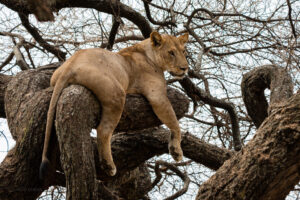
- Tree-climbing lions
- Large baboon troops
- Hippos
- Flamingos
- Elephants
- Blue monkeys
- Hundreds of bird species
The dramatic Great Rift Valley Escarpment forms a stunning backdrop throughout the park.
Outside the park lies the vibrant village of Mto wa Mbu. This multicultural community offers visitors the opportunity to experience local life through village walks, cultural tours, traditional cuisine, and interactions with local residents.
A visit to Mto wa Mbu adds valuable cultural depth to your safari experience.
Days 6–7: Ngorongoro Conservation Area
The journey continues into the Ngorongoro Highlands, one of Tanzania’s most beautiful regions. The road climbs steadily through forests and rolling hills before reaching the rim of the famous Ngorongoro Crater.
The Ngorongoro Conservation Area is unique because it combines wildlife conservation with human habitation. Maasai communities continue to live and graze livestock throughout the area, creating a fascinating blend of culture and conservation.
The highlight is undoubtedly the Ngorongoro Crater, the world’s largest intact volcanic caldera.
Descending into the crater feels like entering a natural wildlife sanctuary. The crater floor supports an extraordinary concentration of animals, including:
- Black rhinos
- Lions
- Buffalo
- Elephants
- Hippos
- Hyenas
- Jackals
- Flamingos
Because animals remain within the crater year-round, wildlife viewing is consistently excellent regardless of season.
Many visitors regard their day in the crater as one of the highlights of their entire African journey.
Days 8–14: Exploring the Serengeti
No Tanzanian safari is complete without exploring the legendary Serengeti.
Covering nearly 15,000 square kilometers, the Serengeti represents one of the world’s greatest wildlife ecosystems. Its endless plains stretch toward the horizon, creating a sense of scale rarely experienced elsewhere.
Spending seven days in the Serengeti allows you to explore multiple regions rather than rushing through the park.
Central Serengeti
The Seronera region serves as the heart of the park and offers exceptional year-round wildlife viewing.
Predators are particularly abundant here, including:
- Lions
- Leopards
- Cheetahs
- Hyenas
- Servals
The permanent water sources attract large numbers of herbivores, creating ideal hunting opportunities for predators.
Western Corridor
The Western Corridor follows the Grumeti River and provides opportunities to observe crocodiles, hippos, and migration herds depending on the season.
Northern Serengeti
The northern section offers a more remote wilderness experience. During the migration season, this region becomes the stage for dramatic Mara River crossings.
Watching thousands of wildebeest plunge into crocodile-filled waters remains one of Africa’s greatest wildlife spectacles.
Wildlife Highlights
A week in the Serengeti may reveal:
- Lion prides with cubs
- Leopards resting in acacia trees
- Hunting cheetahs
- Massive elephant herds
- Thousands of wildebeest
- Crocodiles
- Rare servals
- Bat-eared foxes
- Numerous bird species
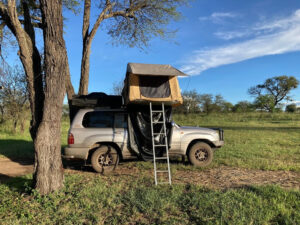
Camping in the Serengeti provides an unforgettable experience. The sounds of hyenas, lions, and other wildlife create an atmosphere unlike any conventional accommodation.
Days 15–16: Lake Natron
Leaving the Serengeti behind, your route leads toward one of Tanzania’s most remarkable and least-visited destinations.
Lake Natron is a shallow alkaline lake situated beneath the imposing slopes of Ol Doinyo Lengai, an active volcano sacred to the Maasai people.
The landscape surrounding Lake Natron appears almost otherworldly. Red and pink hues often dominate the lake surface, while dramatic volcanic mountains rise in the distance.
The area serves as East Africa’s most important breeding ground for lesser flamingos.
Activities around Lake Natron include:
- Flamingo viewing
- Cultural visits with Maasai communities
- Photography
- Hiking
- Exploring nearby waterfalls
The journey itself is part of the adventure, with rugged roads leading through remote and spectacular scenery.
Day 17: Climbing Ol Doinyo Lengai
For adventurous travelers, climbing Ol Doinyo Lengai is one of Tanzania’s most rewarding experiences.
Known as the “Mountain of God,” this active volcano stands approximately 2,960 meters above sea level.
The climb usually begins around midnight, allowing hikers to reach the summit at sunrise. Although physically demanding, the reward is extraordinary.
From the summit, visitors enjoy panoramic views of:
- Lake Natron
- The Great Rift Valley
- Surrounding volcanic landscapes
- Distant mountains and plains
Few safari experiences match the thrill of watching the African sunrise from an active volcano.
Days 18–19: Kilimanjaro Region
After the rugged wilderness of Lake Natron, the lush foothills of Mount Kilimanjaro provide a refreshing contrast.
The Kilimanjaro region is rich in culture, agriculture, and natural beauty.
Popular activities include:
Materuni Waterfalls
A scenic hike through coffee farms and forest trails leads to one of northern Tanzania’s most beautiful waterfalls.
Coffee Tours
The slopes of Kilimanjaro are famous for coffee production. Guided tours introduce visitors to traditional cultivation, harvesting, roasting, and brewing techniques.
Chagga Cultural Experiences
The Chagga people have inhabited the Kilimanjaro region for centuries. Cultural visits provide fascinating insights into local history, traditions, and daily life.
Kilimanjaro Day Hikes
Several trails within Kilimanjaro National Park offer excellent hiking opportunities without requiring a full summit expedition.
These final days provide a relaxing conclusion to your safari adventure.
Day 20: Return to Arusha
The final day involves returning to Arusha for vehicle handover and departure preparations.
Depending on your flight schedule, you may have time for:
- Souvenir shopping
- Visiting local markets
- Exploring coffee shops
- Relaxing before departure
As you reflect on the previous 20 days, you will likely realize that a self-drive safari offers far more than simply seeing wildlife. It is an immersive journey through diverse landscapes, cultures, and ecosystems that reveals the true spirit of Tanzania.
Budget for a 20-Day Self-Drive Safari
Budget planning is essential for a successful trip.
Typical expenses include:
Vehicle Rental
A fully equipped 4×4 with camping gear generally costs between $90 and $180 per day.
Fuel
Expect fuel expenses ranging from $500 to $900 depending on your route and driving style.
Park Fees
National park fees represent one of the largest expenses and can exceed $1,500 for a comprehensive itinerary.
Accommodation
Camping offers the most economical option, while lodges and tented camps provide greater comfort at higher prices.
Food and Supplies
Self-catering significantly reduces costs and provides flexibility throughout the journey.
Essential Self-Drive Tips
Proper preparation is critical for a safe and enjoyable safari.
Always carry:
- Two spare tires
- Air compressor
- Recovery equipment
- Extra drinking water
- First aid kit
- Offline navigation tools
- Spare fuel where appropriate
Additional recommendations include:
- Avoid driving after dark.
- Observe park speed limits.
- Refuel whenever possible.
- Inform others of your route plans.
- Respect wildlife viewing regulations.
- Book accommodations in advance during peak season.
Final Thoughts
A 20-day self-drive safari in Tanzania represents one of Africa’s ultimate travel adventures. Combining world-famous wildlife destinations with remote wilderness areas, cultural experiences, volcanic landscapes, and mountain scenery, this itinerary showcases the incredible diversity of Tanzania.
From watching elephants beneath ancient baobabs in Tarangire to witnessing predators on the Serengeti plains, from descending into the Ngorongoro Crater to exploring the dramatic shores of Lake Natron, every day offers new discoveries.
For travelers seeking freedom, adventure, and authentic experiences, few journeys can rival a 20-day DIY self-drive safari across Tanzania. With the right preparation, a reliable 4×4 vehicle, and a spirit of exploration, this epic road trip promises memories that will last a lifetime.