
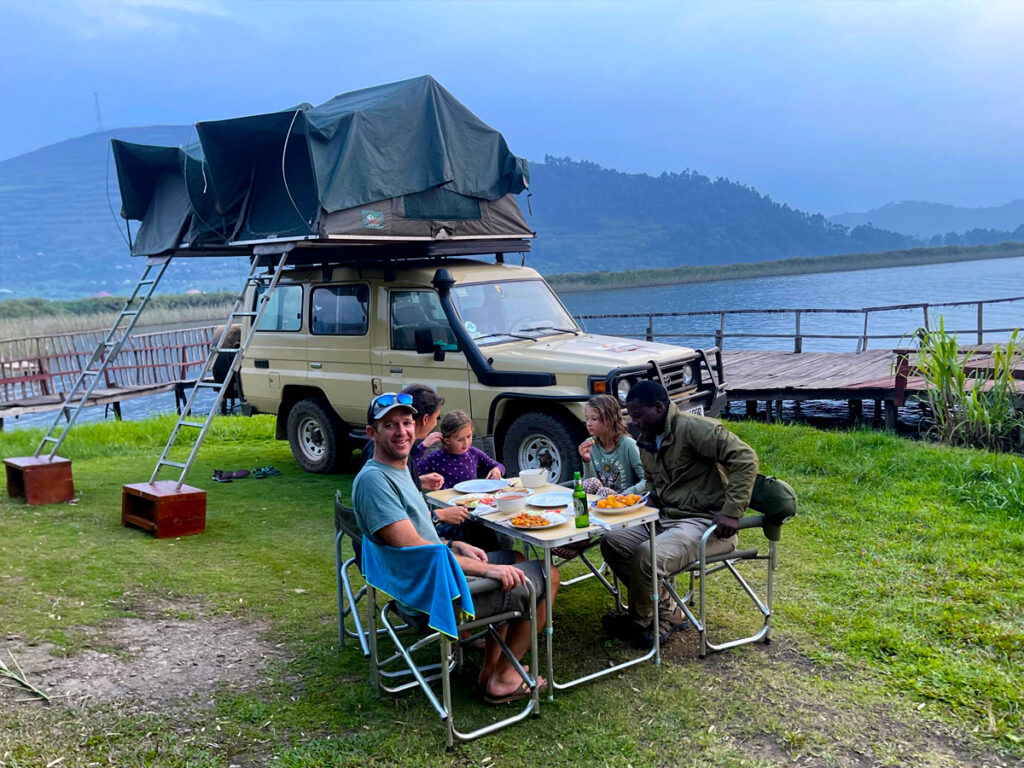
20 Days Kenya and Tanzania Self-Drive Camping Safari – From US$3,000
Introduction: Discover Kenya and Tanzania on a 20-Day Self-Drive Camping Safari
Experience the best of East African wildlife and adventure on an unforgettable 20-day Kenya and Tanzania self-drive camping safari. Starting from approximately US$3,000 per person sharing, this exciting journey combines spectacular wildlife encounters, iconic national parks, beautiful landscapes, cultural experiences and the freedom of independent travel.
Kenya and Tanzania are two of Africa’s most celebrated safari destinations. Kenya is famous for the Masai Mara National Reserve, the Great Wildebeest Migration, Amboseli’s large elephant herds and the scenic Great Rift Valley. Tanzania offers the magnificent Serengeti National Park, the Ngorongoro Crater, Tarangire’s elephant populations and the beautiful landscapes of Lake Manyara.
With a reliable 4×4 rental vehicle equipped with rooftop tents and camping facilities, you can explore both countries at your own pace while enjoying the adventure of sleeping in selected campsites surrounded by nature.
Your journey begins in Nairobi, Kenya, before exploring Lake Nakuru, Lake Naivasha and the famous Masai Mara. Continue towards Amboseli and cross into Tanzania, where the safari proceeds through the northern circuit, including Arusha, Tarangire, Lake Manyara, Ngorongoro and the Serengeti.
Whether you are travelling as a couple, a group of friends or a family, this Kenya and Tanzania camping safari offers an excellent opportunity to discover some of East Africa’s most beautiful wildlife destinations in one adventure.
Why Choose a Kenya and Tanzania Self-Drive Camping Safari?
1. Explore Two of Africa’s Leading Safari Destinations
Kenya and Tanzania share one of the world’s most remarkable wildlife ecosystems. Their national parks and reserves support large populations of elephants, lions, leopards, cheetahs, buffaloes, giraffes, zebras and other wildlife.
Combining the two countries gives you an opportunity to explore the famous Masai Mara–Serengeti ecosystem and experience different landscapes, wildlife habitats and cultural communities.
2. Experience the Great Wildebeest Migration
One of the biggest attractions of combining Kenya and Tanzania is the opportunity to follow the Great Wildebeest Migration.
The migration involves millions of wildebeest and zebras moving through the Serengeti and Masai Mara ecosystems in search of fresh grazing and water. Depending on the season, you may witness the calving season in the southern Serengeti or dramatic river crossings in the northern Serengeti and Masai Mara.
3. Enjoy Affordable Camping Accommodation
Camping provides an excellent way to manage accommodation expenses during a long safari.
A well-equipped 4×4 vehicle with a rooftop tent, comfortable mattress, sleeping bags and cooking equipment allows you to stay at selected campsites while enjoying the natural surroundings.
Camping also gives you flexibility when planning your daily activities and travelling between national parks.
4. Enjoy Independent Wildlife Exploration
A self-drive safari allows you to explore at your own pace, choose your preferred game-drive schedules and spend more time in places that interest you.
With a suitable 4×4 vehicle, advance park arrangements and a well-planned route, you can enjoy independent wildlife viewing in several national parks in both countries.
Detailed 20-Day Kenya and Tanzania Self-Drive Camping Safari Itinerary
Day 1: Arrival in Nairobi, Kenya
Arrive at Jomo Kenyatta International Airport in Nairobi and collect your pre-arranged rental vehicle.
Complete the vehicle handover, inspect the camping equipment and receive a briefing about the safari route, vehicle operation and cross-border travel arrangements.
Depending on your arrival time, you can explore selected attractions in Nairobi or relax before beginning your road trip.
Overnight: Nairobi.
Day 2: Nairobi to Lake Nakuru National Park
After breakfast, depart Nairobi and drive towards Lake Nakuru National Park, located in Kenya’s Great Rift Valley.
The journey offers beautiful views of the escarpment and surrounding countryside. On arrival, enter the park for an afternoon game drive, subject to your arrival time and park arrangements.
Lake Nakuru is famous for its rhinos, Rothschild’s giraffes, buffaloes, lions and diverse birdlife.
Overnight: Lake Nakuru area campsite.
Day 3: Full-Day Safari in Lake Nakuru National Park
Spend the day exploring Lake Nakuru National Park.
Look out for black and white rhinos, Rothschild’s giraffes, zebras, buffaloes, waterbirds and other wildlife.
The park’s combination of woodland, grassland, rocky escarpments and lake habitats provides excellent opportunities for wildlife photography.
Overnight: Lake Nakuru area campsite.
Day 4: Lake Nakuru to Lake Naivasha
Enjoy breakfast before driving towards Lake Naivasha, one of Kenya’s most popular freshwater lakes.
The lake is known for its birdlife, hippos and beautiful surroundings. Optional activities include a boat excursion and a visit to Crescent Island Wildlife Sanctuary, where guided walking experiences offer opportunities to observe wildlife at close range.
Spend the afternoon relaxing and enjoying the peaceful atmosphere of the lake.
Overnight: Lake Naivasha campsite.
Day 5: Lake Naivasha to Masai Mara National Reserve
Depart Lake Naivasha and drive towards the famous Masai Mara National Reserve.
The journey takes you through the scenic Great Rift Valley and rural Kenyan communities before reaching the Mara ecosystem.
Arrive at your selected campsite and prepare for the next two days of wildlife exploration.
Overnight: Masai Mara area campsite.
Day 6: Full-Day Wildlife Safari in Masai Mara
Enjoy a full day exploring the spectacular Masai Mara National Reserve.
The reserve is famous for its large predator populations, particularly lions, leopards and cheetahs. Other wildlife includes elephants, buffaloes, giraffes, zebras and large herds of wildebeest.
If travelling during the migration season, you may have opportunities to witness the movement of wildebeest and zebras across the reserve, including dramatic river crossings when conditions permit.
Overnight: Masai Mara campsite.
Day 7: Another Day Exploring the Masai Mara
Spend another day exploring the Masai Mara ecosystem.
A second full day increases your opportunities to discover different wildlife areas and observe animal behaviour.
You can also arrange a Maasai cultural experience in Kenya to learn about traditional pastoral lifestyles, local customs and the cultural heritage of communities living around the reserve.
Overnight: Masai Mara campsite.
Day 8: Masai Mara to Nairobi
After breakfast, leave the Masai Mara and drive back towards Nairobi.
Enjoy the changing landscapes along the route and arrive in the capital later in the day.
Use the afternoon to rest, purchase supplies and prepare for the next stage of your adventure.
Overnight: Nairobi.
Day 9: Nairobi to Amboseli National Park
Depart Nairobi and drive south towards Amboseli National Park, one of Kenya’s most famous elephant destinations.
The park is renowned for its large elephant herds and spectacular views of Mount Kilimanjaro, Africa’s highest mountain.
Its open plains, seasonal wetlands and swamps attract a variety of wildlife.
Enjoy an afternoon game drive if time and park arrangements permit.
Overnight: Amboseli campsite.
Day 10: Full-Day Safari in Amboseli National Park
Spend the day exploring Amboseli National Park.
The park is particularly famous for its elephants, which are often photographed against the backdrop of Mount Kilimanjaro when the mountain is visible.
Other wildlife includes lions, cheetahs, buffaloes, zebras, giraffes and numerous bird species.
The wetlands and open plains make Amboseli a rewarding destination for wildlife photography.
Overnight: Amboseli campsite.
Day 11: Amboseli to Arusha, Tanzania
After breakfast, depart Amboseli and travel towards the Kenya–Tanzania border through the confirmed Namanga crossing.
Complete immigration and vehicle formalities before entering Tanzania and continuing towards Arusha.
The journey provides an opportunity to experience the changing landscapes between the two countries.
On arrival in Arusha, settle into your accommodation or campsite and prepare for the Tanzanian section of the safari.
Overnight: Arusha.
Day 12: Arusha to Tarangire National Park
Depart Arusha and drive towards Tarangire National Park, famous for its large elephant herds, ancient baobab trees and beautiful savannah landscapes.
During the dry season, wildlife gathers around the Tarangire River, creating excellent opportunities for game viewing.
Enjoy an afternoon game drive and explore the park’s diverse habitats.
Overnight: Designated Tarangire campsite or approved nearby campsite.
Day 13: Full-Day Safari in Tarangire National Park
Spend another day exploring Tarangire National Park.
Look out for elephants, lions, giraffes, zebras, wildebeest, buffaloes and numerous bird species.
Tarangire’s ancient baobab trees and seasonal river landscapes create a spectacular setting for photography.
A full day in the park allows you to explore different areas without rushing your wildlife experience.
Overnight: Designated Tarangire campsite or approved nearby campsite.
Day 14: Tarangire to Lake Manyara National Park
After breakfast, continue towards Lake Manyara National Park, a beautiful destination known for its groundwater forest, open grasslands, woodland and lake habitats.
The park is famous for its birdlife, elephants, baboons and tree-climbing lions.
Enjoy an afternoon game drive before proceeding to your selected campsite.
Overnight: Lake Manyara area campsite.
Day 15: Lake Manyara to Ngorongoro Conservation Area
Depart Lake Manyara and drive towards the spectacular Ngorongoro Conservation Area.
The route takes you through the beautiful highlands, with opportunities to enjoy scenic views of the surrounding landscapes.
Depending on your campsite booking, spend the evening near the Ngorongoro Crater rim or at another approved campsite.
Overnight: Approved Ngorongoro area campsite.
Day 16: Ngorongoro Crater Safari
Today, descend into the spectacular Ngorongoro Crater for a memorable wildlife safari.
The crater is one of Africa’s most remarkable wildlife destinations, supporting lions, elephants, buffaloes, zebras, hippos and numerous other species.
It is also one of Tanzania’s important locations for searching for the endangered black rhinoceros.
After your crater game drive, return to your designated campsite.
Crater service fees and applicable conservation charges should be confirmed in advance.
Overnight: Approved Ngorongoro area campsite.
Day 17: Ngorongoro to Serengeti National Park
After breakfast, depart the Ngorongoro highlands and travel towards Serengeti National Park.
The route passes through beautiful landscapes before opening into the famous Serengeti plains.
Depending on your selected campsite and the location of the wildlife, enjoy an afternoon game drive.
The Serengeti is famous for its large predator populations, including lions, leopards and cheetahs, as well as elephants, buffaloes, giraffes and zebras.
Overnight: Designated Serengeti campsite.
Day 18: Full-Day Safari in Serengeti National Park
Spend the day exploring the magnificent Serengeti National Park.
The Serengeti is one of Africa’s most celebrated wildlife destinations, with vast savannah plains, rocky kopjes and riverine habitats.
Depending on your travel dates, you may encounter the Great Wildebeest Migration in Tanzania, including large herds of wildebeest and zebras.
Your game-drive route should be planned according to the seasonal movement of the migration and your campsite location.
Overnight: Designated Serengeti campsite.
Day 19: Serengeti to Arusha
Enjoy an early morning game drive before beginning your return journey towards Arusha.
The drive is long and should be planned carefully, taking into account your departure gate, road conditions, fuel requirements and any park or conservation-area transit arrangements.
Arrive in Arusha and prepare for the end of your safari.
Overnight: Arusha.
Day 20: Departure from Tanzania
Enjoy breakfast before returning your rental vehicle, depending on your flight schedule.
Complete the vehicle inspection and outstanding rental formalities before transferring to Kilimanjaro International Airport or continuing with your onward travel arrangements.
End of your 20-day Kenya and Tanzania self-drive camping safari.
Best National Parks to Visit on a Kenya and Tanzania Camping Safari
Lake Nakuru National Park – Kenya
Lake Nakuru National Park is one of Kenya’s rewarding destinations for rhino viewing and birdwatching.
The park supports black and white rhinos, Rothschild’s giraffes, buffaloes, lions and numerous bird species. Its lake, woodland and grassland habitats provide a beautiful setting for wildlife photography.
Masai Mara National Reserve – Kenya
The Masai Mara National Reserve is one of Africa’s most celebrated wildlife destinations.
It is famous for its large lion populations, leopards, cheetahs, elephants and the annual Great Wildebeest Migration in Kenya.
The reserve is particularly attractive between July and October, when large numbers of wildebeest and zebras may move into the Mara ecosystem.
Amboseli National Park – Kenya
Amboseli National Park is famous for its large elephant herds and beautiful views of Mount Kilimanjaro.
Its open plains and wetlands provide excellent opportunities for wildlife photography, particularly during the early morning and late afternoon.
Tarangire National Park – Tanzania
Tarangire National Park is particularly famous for its large elephant herds, ancient baobab trees and seasonal wildlife concentrations.
It is an excellent destination for travellers interested in Tanzania camping safaris and quieter wildlife experiences.
Lake Manyara National Park – Tanzania
Lake Manyara National Park is known for its groundwater forest, diverse birdlife, elephants and famous tree-climbing lions.
Its combination of forest, woodland, grassland and lake habitats makes it a rewarding stop on Tanzania’s northern safari circuit.
Ngorongoro Conservation Area – Tanzania
The Ngorongoro Conservation Area is home to the spectacular Ngorongoro Crater, one of Africa’s most important wildlife destinations.
The crater supports a remarkable variety of animals and offers excellent opportunities to see lions, elephants, buffaloes, zebras and the endangered black rhinoceros.
Serengeti National Park – Tanzania
Serengeti National Park is one of the world’s most famous wildlife destinations.
It is internationally recognized for the Great Wildebeest Migration, large predator populations and endless savannah landscapes.
The park offers excellent opportunities for game drives, wildlife photography and designated camping experiences.
Camping Equipment for a Kenya and Tanzania Self-Drive Safari
A well-equipped 4×4 safari vehicle is essential for enjoying a comfortable camping road trip across Kenya and Tanzania.
Recommended equipment includes:
- Toyota Land Cruiser, Land Cruiser Prado or another suitable 4×4.
- One or two rooftop tents, depending on group size.
- Comfortable sleeping mattresses.
- Sleeping bags and pillows.
- Camping table and chairs.
- Gas stove and cooking equipment.
- Pots, plates and kitchen utensils.
- Fridge or cooler box.
- Water storage containers.
- Camping lights and rechargeable torches.
- First-aid kit.
- Recovery equipment and suitable spare tyres.
For couples, one rooftop tent is generally sufficient. Larger families or groups may require two rooftop tents or a combination of rooftop and ground tents, depending on vehicle capacity.
The vehicle should have suitable ground clearance, reliable tyres and sufficient luggage capacity for long-distance travel and national park roads.
Estimated Cost: Kenya and Tanzania Self-Drive Camping Safari from US$3,000
The indicative starting budget for this 20-day Kenya and Tanzania self-drive camping safari is approximately US$3,000 per person sharing.
The final cost will depend on the number of travellers, vehicle category, camping equipment, travel dates and confirmed package inclusions.
Potential cost components include:
- 20-day 4×4 car rental in East Africa.
- Rooftop tents and camping equipment.
- Selected campsite accommodation.
- Fuel allowance.
- Cross-border vehicle arrangements.
- Basic vehicle insurance, subject to the applicable excess.
- Park fees and other activities, where specifically included in the quotation.
Important Budget Considerations
The US$3,000 starting price should be treated as an indicative shared-traveller budget, not a guaranteed all-inclusive safari price.
The following expenses should be clearly itemized in the final quotation:
- Kenya national park and reserve entrance fees.
- Tanzania national park entrance and camping fees.
- Ngorongoro Crater service fees and applicable conservation charges.
- Fuel and any additional vehicle expenses.
- Meals, drinks and personal expenses.
- International border charges and vehicle documentation costs.
- Optional guided activities and cultural experiences.
The Masai Mara, Serengeti and Ngorongoro sections can significantly affect the overall safari budget because of their park or reserve fees and camping charges.
The final quotation should also confirm whether the rental vehicle is authorized to cross between Kenya and Tanzania and whether the vehicle can be returned at a different location.
Important Tips for Self-Driving Between Kenya and Tanzania
Cross-Border Vehicle Authorization
Before booking, confirm that the rental company allows its vehicle to travel between Kenya and Tanzania.
The rental company should provide the necessary vehicle documentation, cross-border authorization and insurance for both countries.
Do not assume that a vehicle rented in one country can automatically enter the other.
Driving Regulations
Both Kenya and Tanzania drive on the left-hand side of the road.
Observe local speed limits, road signs and traffic regulations. Take particular care when driving through towns, villages and busy highway sections.
Border Crossing
The Namanga border is a practical crossing for travellers moving between Nairobi or Amboseli and Arusha.
Confirm the border requirements, vehicle documents, immigration arrangements and insurance coverage before departure.
Driving Distances
This itinerary includes several long driving days, particularly between the Masai Mara, Nairobi, Amboseli, Arusha and Serengeti.
Allow adequate time for road conditions, border formalities, fuel stops and rest breaks. Avoid planning long-distance drives after dark.
National Park Regulations
Follow all park speed limits, driving restrictions and camping regulations.
Use designated campsites and confirm park entry and exit arrangements before entering protected areas.
Vehicle Preparation
Before departure, inspect the tyres, spare wheels, brakes, recovery equipment, engine fluids and camping equipment.
A reliable 4×4 with suitable ground clearance is particularly important for the Serengeti, Ngorongoro and other national park roads.
Best Time for a Kenya and Tanzania Self-Drive Camping Safari
Kenya and Tanzania can be visited throughout the year, although the best time depends on the wildlife experiences you want to enjoy.
June to October is generally a popular period for wildlife safaris because many destinations experience relatively dry conditions.
The Great Wildebeest Migration in the Masai Mara is often most prominent between July and October, although the exact timing varies each year.
In Tanzania, the southern Serengeti and Ndutu area are particularly important during the calving season, generally from January to March. The western and northern Serengeti offer other migration opportunities at different times of the year.
January and February are also attractive months for wildlife viewing in many Kenyan and Tanzanian parks.
March to May is generally a wetter period in much of the region. October and November can also experience seasonal rains.
Travellers planning a camping safari should consider road conditions, campsite availability and seasonal wildlife movements when selecting their travel dates.
Frequently Asked Questions
1. Can I drive from Kenya to Tanzania in one rental vehicle?
Yes, provided the rental company authorizes cross-border travel and the vehicle has the required documentation and insurance for both countries.
2. Is US$3,000 enough for a 20-day Kenya and Tanzania safari?
US$3,000 per person sharing can serve as an indicative starting budget for a camping-based safari, depending on group size and package inclusions. Park fees, fuel, campsite charges and other expenses must be carefully budgeted.
3. Can I visit both the Masai Mara and Serengeti during the Great Migration?
Yes. These destinations form part of the same wider migration ecosystem. However, the best location depends on the season and the movement of the herds.
4. Is a rooftop tent suitable for a Kenya and Tanzania camping safari?
Yes. A rooftop tent is an excellent option for couples and small groups. Larger families may require additional ground tents or multiple rooftop tents, depending on vehicle capacity.
5. Can I explore the Masai Mara and Serengeti without a driver?
Self-drive wildlife viewing is possible in both destinations, subject to park and reserve regulations. Travellers should confirm current entry requirements, vehicle conditions and any applicable restrictions before visiting.
6. Can I collect the vehicle in Nairobi and return it in Arusha?
This depends on the rental company’s one-way rental arrangements. Confirm whether the vehicle can be collected in Nairobi and returned in Arusha, including any additional cross-border and one-way drop-off charges.
7. Is the Great Wildebeest Migration guaranteed during my safari?
No. The migration is a natural seasonal movement influenced by rainfall and grazing conditions. Although general seasonal patterns are known, the exact location of the herds cannot be guaranteed.
8. Are park fees included in the US$3,000 starting price?
Not necessarily. Kenya reserve and park fees, Tanzania park fees, Ngorongoro Crater charges and campsite fees should be clearly itemized in the final quotation.
Book Your 20-Day Kenya and Tanzania Self-Drive Camping Safari
Are you ready for an unforgettable East African road trip?
Our Kenya and Tanzania self-drive camping safari offers an exciting opportunity to explore the Masai Mara, Amboseli, Lake Nakuru, Serengeti, Ngorongoro Crater, Tarangire and Lake Manyara in one adventure.
We can help arrange a reliable 4×4 rental vehicle, rooftop tents, camping equipment, cross-border vehicle documentation and safari planning assistance.
Indicative starting budget: US$3,000 per person sharing.
Contact our team today to customize your 20-day Kenya and Tanzania self-drive camping safari and start planning your East African adventure.