
Things to Do at Lake Eyasi, Tanzania: Hadzabe Culture, Datoga Traditions and Rift Valley Adventures
Introduction: Discover the Cultural and Natural Beauty of Lake Eyasi, Tanzania
Northern Tanzania is famous for its extraordinary wildlife destinations, including Serengeti National Park, Ngorongoro Crater, Tarangire National Park and Lake Manyara. These iconic destinations attract travellers from around the world who come to experience the African wilderness, photograph wildlife and enjoy unforgettable game drives. However, beyond the famous national parks lies another fascinating destination that offers a completely different experience: Lake Eyasi.
Located in the Great Rift Valley, southwest of the Ngorongoro Highlands, Lake Eyasi is a shallow seasonal soda lake surrounded by rugged hills, acacia woodlands, baobab trees and traditional settlements. Its remote location and beautiful landscapes make it an interesting addition to a northern Tanzania safari.
Unlike the major wildlife parks, Lake Eyasi is best known for its cultural heritage and the communities living around its shores. The area is home to the Hadzabe, one of the few remaining hunter-gatherer communities in Africa, and the Datoga, a pastoralist community recognised for its traditional blacksmithing skills.
A visit provides an opportunity to learn about traditional hunting and gathering practices, discover how tools and jewellery are made, explore local lifestyles and appreciate the relationship between people and their natural environment.
Lake Eyasi also offers opportunities for birdwatching, nature walks, photography and enjoying the peaceful scenery of the Great Rift Valley. Depending on seasonal water levels, the lake may attract flamingos, pelicans and other waterbirds.
Whether you are interested in cultural tourism, photography, nature or a more diverse Northern Tanzania safari, Lake Eyasi offers an experience that goes beyond conventional wildlife viewing.
Below are some of the best things to do at Lake Eyasi, including cultural encounters, birdwatching, scenic exploration and practical information to help you plan your visit.
1. Meet the Hadzabe People and Discover Their Traditional Lifestyle
One of the main reasons travellers visit Lake Eyasi is to meet the Hadzabe people.
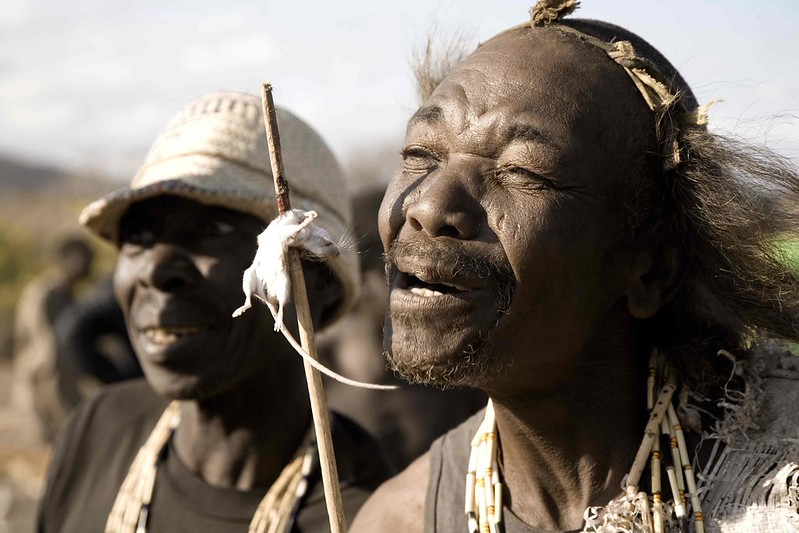
The Hadzabe, also known as the Hadza, are among the few remaining hunter-gatherer communities in Africa. Their traditional lifestyle is closely connected to the surrounding woodland and natural environment, where families have historically relied on hunting wild animals and gathering fruits, roots, honey and other natural foods.
A guided cultural visit provides an opportunity to learn about their daily activities, traditional knowledge and relationship with the land.
Visitors may join a small group of Hadzabe hunters on an early-morning walk through the bush. During the experience, local guides can explain traditional tracking methods, hunting techniques, the use of bows and arrows and the identification of edible wild plants.
You may also learn about traditional fire-making methods and how different natural resources are used in everyday life.
One of the most fascinating aspects of the experience is the opportunity to hear the Hadzane language, which is known for its distinctive click sounds.
The visit is particularly rewarding because it introduces travellers to a way of life that is very different from modern urban lifestyles. Rather than simply observing wildlife, visitors gain an understanding of the cultural knowledge and skills that have helped the Hadzabe adapt to their environment.
Best time: Early morning, when the Hadzabe traditionally begin their daily hunting and gathering activities.
Where: Hadzabe settlements and surrounding woodland near Lake Eyasi.
Travel tip: Arrange your visit through a knowledgeable local guide or responsible tour operator. Respect community preferences, ask before taking photographs and remember that hunting activities are not guaranteed to produce a catch.
2. Experience a Traditional Hadzabe Hunting Excursion
For adventurous travellers, joining the Hadzabe on an early-morning hunting walk is one of the most memorable experiences around Lake Eyasi.
The excursion usually begins before sunrise, when temperatures are cooler and the surrounding bush becomes active.
After meeting the local community and receiving an introduction from your guide, you may accompany a group of Hadzabe hunters as they move through the woodland.
During the walk, you can observe how hunters read animal tracks, identify useful plants and use their traditional knowledge to locate food.
The experience may include demonstrations of bow-making, arrow use, tracking and traditional fire-making, depending on the community’s activities and willingness to share.
It is important to understand that this is a real cultural activity rather than a wildlife performance. The hunters follow their own routines, and visitors should be prepared to walk at the group’s pace without expecting a guaranteed hunting result.
For photographers, the experience also provides opportunities to capture the surrounding landscape and traditional activities, provided permission is obtained.
Best time: Dawn, preferably after spending the previous night near Lake Eyasi.
Where: Woodland areas around Hadzabe settlements.
Travel tip: Wear comfortable closed shoes, carry drinking water and follow your guide’s instructions. Choose a responsible operator that works directly with the community and ensures that agreed visitor contributions reach the people involved.
3. Visit the Datoga Community and Discover Traditional Blacksmithing
Another fascinating cultural experience at Lake Eyasi is visiting the Datoga people.
The Datoga are traditionally pastoralists whose livelihoods have historically been connected to cattle, goats and other livestock. They are also widely recognised for their traditional metalworking skills.
A visit to a Datoga homestead offers an opportunity to learn about their culture, family life, traditional clothing, livestock keeping and craftsmanship.
One of the highlights is watching local blacksmiths transform scrap metal into useful objects such as arrowheads, knives, bracelets and other decorative items.
The process involves heating metal over a charcoal fire before shaping it through hammering and other traditional techniques.
These skills have long been important to the local economy and to relationships between neighbouring communities. Traditionally, Datoga blacksmiths have traded metal tools and arrowheads with the Hadzabe.
Visitors may also learn about traditional jewellery, beadwork and other forms of craftsmanship.
The experience provides an interesting contrast to the Hadzabe hunting excursion, allowing travellers to understand two different cultural traditions within the same region.
Best time: Morning or afternoon, depending on the availability of the local blacksmiths and community guides.
Where: Datoga homesteads around the Lake Eyasi area.
Travel tip: Arrange the visit through a local guide and consider purchasing locally made crafts where available. Ask permission before photographing people or entering private homesteads.
4. Learn About Traditional Hadzabe Fire-Making Techniques
Fire-making is an important traditional skill that provides another interesting learning opportunity during a Hadzabe cultural visit.
Before modern matches and lighters became widely available, communities relied on practical knowledge and locally available materials to produce fire.
During a cultural demonstration, visitors may learn how the Hadzabe use dry wood and friction to generate heat and produce an ember.
The process requires patience, coordination and an understanding of the materials found in the surrounding environment.
A local guide may also explain how fire is used for preparing food, providing warmth and supporting everyday activities.
For visitors interested in traditional survival skills, this demonstration provides a memorable insight into the practical knowledge passed between generations.
Best time: During a scheduled Hadzabe cultural visit.
Where: Hadzabe community settlements near Lake Eyasi.
Travel tip: Listen to the explanations provided by community members and avoid treating traditional knowledge as entertainment. Participate only when invited.
5. Explore Lake Eyasi and Its Beautiful Rift Valley Landscapes
Beyond its cultural attractions, Lake Eyasi is a beautiful destination for travellers who appreciate remote natural landscapes.
The lake lies beneath the Eyasi Escarpment, surrounded by dry woodland, open plains, rocky hills and scattered baobab trees.
Its appearance changes throughout the year depending on rainfall and water levels. During wetter periods, the lake expands and may attract large numbers of waterbirds. As the dry season progresses, parts of the lake can shrink, exposing muddy shores and salt-covered flats.
This seasonal transformation creates a constantly changing landscape that is particularly attractive to photographers and nature enthusiasts.
Visitors can explore selected areas around the lake with a local guide, enjoy scenic viewpoints and appreciate the quiet atmosphere of the Rift Valley.
The surrounding countryside also offers opportunities to observe traditional settlements, agricultural activities and livestock grazing across the plains.
Best time: Early morning and late afternoon, when temperatures are cooler and the scenery is particularly attractive.
Where: Lake Eyasi shoreline and surrounding viewpoints.
Travel tip: Carry sun protection and drinking water. Lake Eyasi is a shallow saline lake and should not be treated as a conventional swimming destination.
6. Birdwatching Around Lake Eyasi
Lake Eyasi is an interesting destination for birdwatchers, particularly when seasonal water levels create suitable feeding and resting habitats for waterbirds.
The lake and surrounding vegetation attract different bird species associated with alkaline lakes, wetlands, dry woodland and open savannah.
Depending on the season and water conditions, visitors may encounter flamingos, pelicans, storks, herons, egrets and other waterbirds along the lake’s edges.
The surrounding acacia woodland also supports a variety of smaller birds, including weavers, hornbills, bee-eaters and other savannah species.
Birdwatching is particularly rewarding during periods when the lake holds sufficient water to attract migratory and resident waterbirds.
The experience can be combined with a cultural excursion or a quiet walk along suitable sections of the shoreline.
For keen birdwatchers, a local guide can help identify different species and explain how seasonal changes influence birdlife in the area.
Best time: Birdwatching opportunities vary with rainfall and water levels. The wetter months may attract more waterbirds, while early morning is generally the most comfortable time for observation.
Where: Lake shoreline, seasonal wetlands and surrounding woodland.
Travel tip: Carry binoculars, a bird identification guide and a camera with a suitable zoom lens. Bring plenty of water and protect yourself from the sun.
7. Enjoy Wildlife Viewing Around Lake Eyasi
Lake Eyasi is not a conventional wildlife safari destination like Serengeti or Ngorongoro. However, the surrounding woodland and open landscapes support a variety of smaller mammals and other wildlife.
During guided nature walks and drives, visitors may encounter animals such as dik-diks, baboons, vervet monkeys and different antelope species.
Depending on the location and season, the wider area may also support lesser kudu, gazelles and other mammals adapted to the dry woodland environment.
Wildlife viewing is generally less predictable than in Tanzania’s major national parks, and the area is better suited to cultural exploration and nature experiences than to searching for the Big Five.
The surrounding bush is also important to the Hadzabe, whose traditional hunting and gathering practices depend on their knowledge of local plants, animals and seasonal resources.
For travellers who want a more traditional game-viewing experience, Lake Eyasi can be combined with nearby Lake Manyara, Ngorongoro Crater, Tarangire and Serengeti.
Best time: Early morning and late afternoon are generally more comfortable for wildlife observation.
Where: Woodland, open plains and suitable areas around the lake.
Travel tip: Do not expect the same concentration of large wildlife found in national parks. Combine Lake Eyasi with a conventional wildlife safari if seeing lions, elephants, leopards and other large mammals is a priority.
8. Enjoy Scenic Photography and Cultural Photography
Lake Eyasi offers excellent opportunities for travellers interested in landscape, wildlife and cultural photography.
The combination of the Rift Valley escarpment, seasonal lake, baobab trees, acacia woodland and traditional settlements creates a distinctive photographic setting.
Early morning is particularly attractive because the changing light illuminates the surrounding hills and open landscapes.
Visitors can also capture traditional activities during organised cultural visits, including blacksmithing, beadwork, fire-making and other demonstrations.
However, cultural photography requires particular sensitivity. The Hadzabe and Datoga are people with their own preferences and privacy, not tourist attractions to be photographed without permission.
Always ask before taking photographs, respect anyone who declines and follow the guidance of your local host.
Best time: Sunrise and late afternoon for landscape photography.
Where: Lake shoreline, surrounding woodland and community visit locations.
Travel tip: Carry spare batteries, memory cards and a versatile camera lens. Seek permission before photographing individuals, families or their homes.
9. Enjoy a Guided Nature Walk Around Lake Eyasi
A guided nature walk is an excellent way to explore the natural environment surrounding Lake Eyasi.
The walks may pass through dry woodland, open bushland and areas where traditional communities gather natural resources.
With a knowledgeable local guide, visitors can learn about the uses of indigenous plants, including those traditionally used for food, medicine and other everyday purposes.
The experience may also introduce travellers to animal tracks, bird calls, seasonal vegetation and the relationship between local communities and their environment.
For visitors who prefer a slower travel experience, a nature walk provides a peaceful alternative to a conventional game drive.
It can also be combined with a Hadzabe cultural visit, allowing travellers to appreciate the area’s natural and cultural heritage in greater depth.
Best time: Early morning or late afternoon.
Where: Designated walking areas around Lake Eyasi and nearby woodland.
Travel tip: Use a local guide, wear comfortable walking shoes and carry drinking water. Avoid walking independently into unfamiliar areas.
10. Visit Local Farms and Discover the Agricultural Life Around Mang’ola
The Lake Eyasi region is not only known for traditional hunter-gatherer and pastoralist communities. The surrounding area also supports agricultural activities.
Mang’ola and nearby settlements are associated with farming, including the cultivation of crops such as onions and other produce suited to the local conditions.
A community visit may provide an opportunity to learn about local farming practices, irrigation, seasonal activities and the importance of agriculture to households in the region.
This experience offers a different perspective on the Lake Eyasi landscape by showing how various communities use the land and adapt to the environmental conditions of the Rift Valley.
Visitors interested in rural tourism and local livelihoods may find this an informative addition to their cultural itinerary.
Best time: Throughout the year, depending on farming activities and community availability.
Where: Agricultural settlements around Mang’ola and the Lake Eyasi basin.
Travel tip: Arrange farm visits in advance and respect private property. Ask before photographing farmers, homes or agricultural activities.
11. Experience Sunset and Sunrise at Lake Eyasi
The changing light over Lake Eyasi is one of the area’s most attractive natural features.
At sunrise, the first light gradually illuminates the escarpment and surrounding hills, creating beautiful scenery across the lake basin.
This is also an excellent time for birdwatching and cultural excursions, as the cooler morning hours are suitable for outdoor activities.
In the evening, the landscape takes on warm colours as the sun sets behind the surrounding hills. Depending on the season and water levels, the lake’s surface, exposed shoreline and distant vegetation create beautiful photographic scenes.
Travellers staying overnight near the lake can enjoy these quiet moments without having to rush back to Karatu or another destination.
Best time: Sunrise and sunset throughout the year, depending on weather conditions.
Where: Suitable viewpoints and accessible sections of the Lake Eyasi shoreline.
Travel tip: Ask your accommodation or local guide to recommend safe and accessible locations for sunrise and sunset viewing.
12. Enjoy Camping and Accommodation Near Lake Eyasi
Spending a night near Lake Eyasi is one of the best ways to enjoy the destination without rushing through its cultural experiences.
Most Hadzabe hunting excursions begin early in the morning, making overnight accommodation particularly convenient.
Visitors can stay in lodges, tented camps and other accommodation facilities around the lake basin and nearby settlements.
For travellers who enjoy outdoor adventures, camping provides another opportunity to experience the natural environment of the Rift Valley.
Depending on the chosen accommodation, visitors may enjoy scenic views, peaceful surroundings and easy access to cultural activities.
Camping arrangements should be confirmed in advance, including the availability of tents, bedding, meals, drinking water and bathroom facilities.
A night near Lake Eyasi also makes it easier to combine a Hadzabe morning visit with a Datoga cultural experience later in the day.
Best time: June to October is generally favourable for outdoor camping and road access, although accommodation can be arranged throughout the year.
Where: Campsites and accommodation facilities around Lake Eyasi and Mang’ola.
Travel tip: Confirm facilities and transport arrangements before booking. Bring suitable clothing for warm daytime conditions and cooler evenings.
Getting to Lake Eyasi, Tanzania
Lake Eyasi is located in northern Tanzania, southwest of the Ngorongoro Highlands, in the Great Rift Valley.
The main access point for visitors is generally through Karatu, a popular base for travellers visiting Ngorongoro Crater and Lake Manyara National Park.
The journey from Karatu usually takes approximately one-and-a-half to three hours, depending on the accommodation location, road conditions and the specific destination around the lake.
Visitors travelling from Arusha should allow additional driving time. The route passes through the northern Tanzania countryside before continuing towards Karatu and the Lake Eyasi basin.
Getting There by Road
Road transport is the most practical way to reach Lake Eyasi.
Visitors can travel by private safari vehicle, organised tour vehicle or rental car. The final approach includes rougher roads and tracks, which can become challenging during the rainy season.
A 4×4 vehicle is recommended, particularly during wet conditions or when travelling to more remote accommodation and community locations.
Getting There by Self-Drive
Lake Eyasi is an interesting destination for travellers exploring northern Tanzania independently.
A self-drive journey allows you to combine cultural experiences around the lake with wildlife destinations such as Ngorongoro, Serengeti and Lake Manyara.
However, the road conditions should be considered carefully. Some sections are unpaved and may become muddy or difficult to navigate after heavy rainfall.
A suitable 4×4 car rental in Tanzania is therefore recommended for visitors planning to explore the wider Lake Eyasi region.
Explore our Tanzania Self-Drive Safari, 4×4 Car Rental in Tanzania and East Africa Self-Drive Car Rental services for more information about independent travel.
Best Time to Visit Lake Eyasi
Lake Eyasi can be visited throughout the year, although seasonal changes influence road conditions, lake levels, birdlife and the overall experience.
June to October: Dry Season
This is generally one of the most favourable periods for visiting Lake Eyasi.
The weather is relatively dry, and roads are usually easier to navigate compared with the long rainy season.
The lake may shrink considerably, exposing sections of its shoreline and salt flats. The dry conditions also make outdoor walks and cultural excursions more comfortable.
This period is particularly suitable for visitors combining Lake Eyasi with a traditional northern Tanzania wildlife safari.
November to December: Short Rainy Season
The short rains bring fresh vegetation to the surrounding landscape and may increase water levels in the lake.
The changing scenery can be attractive for photography, while the developing wetlands may create better conditions for some waterbirds.
However, occasional rainfall can affect unpaved roads, so visitors should check local conditions before travelling.
January to February: Relatively Dry Period
January and February are generally suitable months for cultural visits and exploring the surrounding countryside.
The weather is often relatively dry, although temperatures can be warm.
Visitors can enjoy Hadzabe cultural excursions, Datoga visits and nature walks while combining the lake with other northern Tanzania destinations.
March to May: Long Rainy Season
The long rains transform the Lake Eyasi basin, bringing greener vegetation and increasing water levels.
This can be an attractive period for birdwatching and landscape photography, particularly when the lake attracts waterbirds.
However, heavy rainfall can make access roads muddy and difficult to navigate. Some routes may require a capable 4×4, and travel times can increase.
Overall recommendation: June to October is generally a reliable period for road access and cultural excursions. January and February are also good options. Travellers visiting during the long rains should confirm road conditions and transport arrangements in advance.
Suggested 2-Day Lake Eyasi Cultural and Nature Safari Itinerary
A two-day itinerary provides enough time to enjoy the cultural highlights of Lake Eyasi without rushing the experience.
Day 1: Arusha to Lake Eyasi – Scenic Drive and Local Exploration
Depart Arusha in the morning and drive towards Karatu through the beautiful landscapes of northern Tanzania.
Continue towards Lake Eyasi, enjoying views of the Great Rift Valley and surrounding countryside.
Upon arrival, check in at your lodge or tented camp.
Depending on your arrival time, enjoy a guided walk around the surrounding area, visit a local agricultural community or explore suitable viewpoints overlooking the lake.
Later in the afternoon, relax at your accommodation and prepare for the early-morning Hadzabe cultural experience.
Enjoy dinner and an overnight stay near Lake Eyasi.
Day 2: Hadzabe Hunting Experience, Datoga Cultural Visit and Return Journey
Wake up early and meet your local cultural guide before sunrise.
Travel to a Hadzabe settlement and join a small group of community members on a traditional hunting and gathering excursion.
Learn about their tracking skills, hunting techniques, traditional bows and arrows, fire-making and knowledge of wild plants.
After the experience, return for breakfast before continuing to a nearby Datoga homestead.
Meet local community members and learn about their pastoral lifestyle and traditional blacksmithing skills. Observe how metal is shaped into arrowheads, jewellery and other useful objects.
Depending on time and arrangements, enjoy a final stop near the lake for photography and scenic exploration.
Later, begin your journey back towards Karatu, Ngorongoro or Arusha, depending on your wider safari itinerary.
Other Destinations to Combine with Lake Eyasi
One of the advantages of visiting Lake Eyasi is its location within northern Tanzania’s popular tourism region. Travellers can combine cultural experiences with wildlife safaris, crater landscapes and beautiful Rift Valley scenery.
Lake Eyasi and Ngorongoro Crater
Ngorongoro Crater is one of the best destinations to combine with Lake Eyasi.
The crater is famous for its remarkable concentration of wildlife, including elephants, lions, buffaloes, zebras, wildebeest, hippos and black rhinoceroses.
A game drive across the crater floor provides opportunities to observe different animals within a spectacular volcanic landscape.
Combining Lake Eyasi with Ngorongoro creates a diverse itinerary that includes both wildlife viewing and cultural experiences with local communities.
Explore our Ngorongoro Crater Safari, Tanzania Wildlife Safari and Northern Tanzania Safari Packages.
Lake Eyasi and Serengeti National Park
Serengeti National Park is another excellent destination to combine with Lake Eyasi.
The Serengeti is internationally recognised for its vast savannah plains, abundant wildlife and the spectacular annual wildebeest migration.
Visitors can enjoy game drives in search of lions, elephants, leopards, cheetahs, giraffes, zebras and numerous other species.
A combined Lake Eyasi and Serengeti itinerary offers an interesting contrast between traditional cultural experiences and one of Africa’s most famous wildlife ecosystems.
Discover our Serengeti Wildlife Safari, Serengeti Camping Safari and Great Wildebeest Migration Safari packages.
Lake Eyasi and Lake Manyara National Park
Lake Manyara National Park is a natural addition to a Lake Eyasi itinerary.
The park is known for its diverse habitats, including groundwater forests, open grasslands, woodland and the alkaline lake.
Visitors can enjoy game drives while searching for elephants, giraffes, zebras, buffaloes, baboons and different antelope species.
Lake Manyara is also an attractive destination for birdwatching, with a variety of waterbirds and forest species.
Explore our Lake Manyara National Park Safari and Tanzania Birdwatching Safari experiences.
Lake Eyasi and Tarangire National Park
Tarangire National Park is famous for its large elephant herds, ancient baobab trees and seasonal wildlife concentrations along the Tarangire River.
The park supports a wide range of wildlife, including lions, leopards, giraffes, zebras, wildebeest, buffaloes and numerous antelope species.
Combining Lake Eyasi with Tarangire allows visitors to enjoy cultural tourism before continuing to a traditional wildlife destination.
Read more about our Tarangire National Park Safari, Tanzania Camping Safari and Northern Tanzania Wildlife Safari packages.
Lake Eyasi and Mount Longido
For travellers interested in cultural tourism and outdoor adventures, Mount Longido offers a different experience to Lake Eyasi.
Located near the Kenya–Tanzania border, Mount Longido is known for its hiking opportunities, forested slopes and Maasai cultural experiences.
A combined itinerary can include Hadzabe and Datoga cultural visits around Lake Eyasi, followed by mountain hiking and community tourism around Longido.
Explore our Mount Longido Hiking Tour, Tanzania Cultural Safari and Northern Tanzania Adventure Safari experiences.
Lake Eyasi and Lake Natron
Lake Natron is another remarkable destination for visitors interested in remote landscapes and birdlife.
Located in the Great Rift Valley, Lake Natron is famous for its highly alkaline waters, volcanic surroundings and importance as a breeding area for lesser flamingos.
The nearby Ol Doinyo Lengai volcano attracts adventurous travellers interested in challenging mountain climbs.
Combining Lake Eyasi with Lake Natron creates a distinctive northern Tanzania adventure featuring cultural tourism, birdwatching, volcanic scenery and remote landscapes.
Discover our Lake Natron Safari, Ol Doinyo Lengai Climbing Tour and Northern Tanzania Adventure Packages.
Practical Tips for Visiting Lake Eyasi
Before planning your Lake Eyasi adventure, consider the following recommendations to make your visit more comfortable and meaningful.
1. Arrange cultural visits in advance: Hadzabe and Datoga visits should be organised through responsible local guides who have established relationships with the communities.
2. Start early: Hadzabe hunting and gathering experiences usually begin around sunrise. Staying overnight near the lake makes an early departure easier.
3. Respect local customs: Remember that you are visiting people’s homes and communities. Follow your guide’s instructions and behave respectfully.
4. Ask before taking photographs: Always seek permission before photographing individuals, families or homesteads.
5. Support community tourism: Choose operators who explain how community contributions are managed and ensure that local people benefit directly from tourism.
6. Carry sufficient drinking water: The Lake Eyasi basin can become hot, particularly during the dry season.
7. Wear comfortable footwear: Closed shoes are recommended for walking through woodland and uneven terrain.
8. Bring sun protection: A hat, sunglasses and sunscreen are useful when exploring exposed areas.
9. Choose a suitable vehicle: A 4×4 is recommended because some access roads are rough and can become difficult after rainfall.
10. Carry binoculars: These are useful for observing birds around the lake and its surrounding vegetation.
11. Plan an overnight stay: Spending one night near Lake Eyasi allows you to enjoy the early-morning cultural experience without a long pre-dawn drive from Arusha.
12. Avoid unrealistic expectations: Lake Eyasi is primarily a cultural and nature destination, not a Big Five wildlife park. Plan your itinerary accordingly.
13. Respect community privacy: Do not enter homes, photograph children or distribute gifts without permission and guidance from your local host.
14. Check seasonal road conditions: Heavy rainfall can affect access, so confirm the route before travelling during the long rainy season.
Frequently Asked Questions About Lake Eyasi
1. Where is Lake Eyasi located?
Lake Eyasi is located in northern Tanzania’s Great Rift Valley, southwest of the Ngorongoro Highlands, in the Karatu District area.
2. What is Lake Eyasi famous for?
Lake Eyasi is best known for its cultural experiences with the Hadzabe hunter-gatherers and Datoga pastoralists and blacksmiths. It is also attractive for birdwatching, nature walks and scenic photography.
3. Who are the Hadzabe people?
The Hadzabe, also known as the Hadza, are an indigenous hunter-gatherer community living around Lake Eyasi. Their traditional livelihoods include hunting wild animals and gathering natural foods such as honey, fruits and roots.
4. Who are the Datoga people?
The Datoga are traditionally pastoralist communities known for livestock keeping and traditional metalworking. Their blacksmiths produce objects such as arrowheads, jewellery and other useful tools.
5. Can visitors join the Hadzabe on a hunting excursion?
Yes. Visitors can arrange an early-morning guided experience with a Hadzabe group. The activity offers insight into traditional hunting and gathering practices, although an actual hunting catch is never guaranteed.
6. What can I learn during a Datoga cultural visit?
Visitors can learn about traditional livestock keeping, homestead life, metalworking, jewellery production and other cultural practices. Some visits include demonstrations by local blacksmiths.
7. How far is Lake Eyasi from Arusha?
Lake Eyasi is a considerable road journey from Arusha. Travel time depends on the route, road conditions and accommodation location. Visitors should allow several hours and consider breaking the journey around Karatu.
8. How far is Lake Eyasi from Karatu?
Lake Eyasi is generally around one-and-a-half to three hours by road from Karatu, depending on the destination around the lake and road conditions.
9. What is the best time to visit Lake Eyasi?
June to October is generally favourable for road access and cultural excursions. January and February are also suitable. The rainy season can offer attractive scenery and birdwatching opportunities but may make some roads difficult to navigate.
10. Can you see flamingos at Lake Eyasi?
Yes. Flamingos may be seen when seasonal water levels and feeding conditions are suitable. However, their presence and numbers vary throughout the year.
11. Is Lake Eyasi a national park?
No. Lake Eyasi is a natural lake and surrounding cultural landscape, not a national park. Its main attractions are cultural experiences, birdwatching and nature exploration.
12. Can you swim in Lake Eyasi?
Lake Eyasi is a shallow saline lake and is not generally suitable for recreational swimming. Visitors should enjoy the lake from suitable viewpoints and follow local safety advice.
13. Do I need a 4×4 to visit Lake Eyasi?
A 4×4 is recommended, particularly during the rainy season and when travelling to remote camps or community locations. Road conditions can vary, so confirm the route before departure.
14. How many days should I spend at Lake Eyasi?
One night and two days are usually sufficient for a cultural visit, including an early-morning Hadzabe experience and a Datoga blacksmith visit. Travellers with more time can enjoy additional nature walks and birdwatching.
15. Can Lake Eyasi be combined with Serengeti and Ngorongoro?
Yes. Lake Eyasi can be included in a northern Tanzania safari alongside Serengeti National Park, Ngorongoro Crater, Lake Manyara and Tarangire National Park.
Book Your Lake Eyasi Cultural Safari with Us
Lake Eyasi offers a different perspective on Tanzania, taking visitors beyond traditional wildlife safaris and introducing them to the cultural heritage of northern Tanzania.
From joining the Hadzabe on an early-morning hunting excursion to discovering the blacksmithing traditions of the Datoga, the region offers meaningful experiences for travellers interested in people, history and traditional ways of life.
You can also enjoy birdwatching, scenic photography, guided nature walks and peaceful moments along the shores of the Great Rift Valley.
At Self drive Dat es Salaam, we help travellers organise memorable experiences across Tanzania and East Africa, including cultural tours, wildlife safaris, camping holidays, private safaris and customised multi-country itineraries.
We can help arrange local cultural guides, suitable transport, accommodation and personalised travel programmes that combine Lake Eyasi with Serengeti, Ngorongoro, Tarangire, Lake Manyara and other northern Tanzania destinations.
If you prefer exploring independently, ask us about our 4×4 car rental in Tanzania, including suitable vehicles for northern Tanzania road trips and camping adventures.
Whether you are planning a short cultural excursion or a longer East African holiday, Lake Eyasi is a destination worth including in your journey.
Start planning your Lake Eyasi adventure today. Contact self drive Dar es Salaam for a customised Tanzania cultural safari and discover the people, landscapes and traditions that make this region unique.