
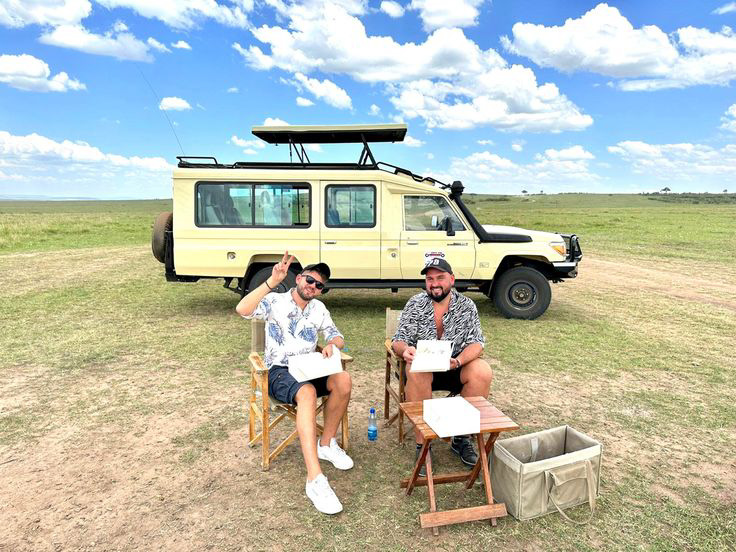
Great Rift Valley Self-Drive Safari from Dar es Salaam: Explore Tanzania by 4×4
Introduction: Plan a Great Rift Valley Self-Drive Safari from Dar es Salaam
A Great Rift Valley self-drive safari from Dar es Salaam is an exciting way to explore Tanzania beyond its largest coastal city. With a reliable 4×4 rental vehicle, travellers can journey inland through changing landscapes, discover wildlife-rich national parks, visit scenic lakes and experience the country’s cultural diversity at their own pace.
Although Dar es Salaam is located on the Indian Ocean coast rather than in the Great Rift Valley, it provides a convenient starting point for a longer Tanzania road trip. Depending on the time available, you can travel inland towards central Tanzania, explore the Southern Highlands and connect your journey with northern Tanzania’s famous Rift Valley destinations.
For travellers interested in a southern Tanzania adventure, possible highlights include Mikumi National Park, Udzungwa Mountains National Park and Ruaha National Park. With additional days, you can continue towards the northern safari circuit, including Lake Manyara, the Ngorongoro Conservation Area and other landscapes associated with the Great Rift Valley.
Choosing a suitable 4×4 car rental in Dar es Salaam gives you flexibility over your route, overnight stops and travel schedule. Whether you prefer lodge accommodation, tented camps or a rooftop-tent camping adventure, a self-drive road trip can combine wildlife, scenery and cultural experiences into one memorable journey.
Is Dar es Salaam a Good Starting Point for a Great Rift Valley Road Trip?
Yes. Dar es Salaam is a practical starting point for travellers arriving in Tanzania through Julius Nyerere International Airport or spending time on the coast before exploring the mainland.
The city provides access to rental vehicles, fuel stations, supermarkets, accommodation and other travel services. From Dar es Salaam, you can travel west towards Morogoro and the Southern Highlands or head north towards the central and northern safari regions.
However, the Great Rift Valley is a vast geological system, not a single destination beside Dar es Salaam. Reaching the major northern Tanzania Rift Valley attractions requires considerable driving time. Travellers should therefore plan their route according to the length of their holiday rather than trying to cover the entire country in a few days.
A shorter trip can focus on southern Tanzania’s national parks and mountain landscapes, while a longer itinerary can continue north to explore the Rift Valley lakes, volcanic highlands and celebrated wildlife destinations.
For an independent journey, a self-drive safari in Tanzania offers the freedom to combine these regions according to your interests and available time.
Best Destinations for a Great Rift Valley Road Trip from Dar es Salaam
1. Morogoro: The Gateway to Tanzania’s Inland Landscapes
Morogoro is an important stop on the journey from Dar es Salaam towards Tanzania’s interior. The town lies near the Uluguru Mountains and offers a change of scenery from the coastal environment.
Travellers can use Morogoro as a practical overnight stop before continuing towards Mikumi National Park, Iringa or other inland destinations. The surrounding region features mountain scenery, agricultural landscapes and opportunities for cultural experiences.
Although Morogoro is not itself a principal Great Rift Valley lake destination, it is useful for breaking up the drive and beginning an overland adventure into Tanzania’s interior.
2. Mikumi National Park: Wildlife on the Southern Safari Circuit
Mikumi National Park is one of the most accessible wildlife destinations from Dar es Salaam. Situated along the main route towards Iringa, it is a popular choice for travellers who want to experience a Tanzanian safari without immediately travelling to the far north.
The park’s open grasslands, woodland and floodplain landscapes provide habitats for elephants, giraffes, zebras, buffalo, antelopes and predators.
Self-drive visitors can explore authorised park roads and enjoy wildlife viewing from their vehicles, subject to park regulations and road conditions.
Mikumi is a useful first safari stop on a longer road trip. Travellers can spend one or two nights in the area before continuing towards Ruaha National Park, the Southern Highlands or, with additional time, northern Tanzania.
3. Udzungwa Mountains National Park: Forests and Hiking
Udzungwa Mountains National Park offers a contrasting experience to Tanzania’s open savannah parks. It is known for its tropical forests, mountain scenery, hiking trails and distinctive biodiversity.
The park is particularly attractive to travellers interested in walking, birdwatching and exploring forest ecosystems. Hiking activities generally require planning and may involve authorised guides, depending on the trail and current park rules.
Udzungwa is not a classic Great Rift Valley lake destination, but it makes an excellent addition to a road trip from Dar es Salaam because it introduces a different side of Tanzania’s natural heritage.
Allow time for hiking rather than treating the park as a quick roadside stop.
4. Ruaha National Park: Remote Wilderness and Big Game
Ruaha National Park is one of Tanzania’s major southern wildlife destinations. Its broad landscapes include baobab-dotted plains, woodland, rocky hills and the Great Ruaha River system.
The park supports elephants, lions, giraffes, buffalo, antelopes and numerous bird species. Wildlife viewing varies with the season, particularly as animals move in response to water and grazing conditions.
Ruaha is a rewarding destination for travellers seeking a quieter and more remote safari experience than some of the heavily visited northern parks.
A capable 4×4 is strongly recommended for a self-drive trip, and travellers should prepare carefully for distances, fuel planning, park entry arrangements and accommodation. A visit to Ruaha also requires enough time to enjoy the park rather than spending most of the holiday driving between destinations.
5. Iringa: Highland Scenery and Cultural Heritage
Iringa is a useful stop for travellers moving between the southern safari circuit and Tanzania’s interior. The town sits in a highland setting and offers cooler conditions than the coast during many periods of the year.
Visitors can explore local markets, discover regional history and enjoy views of the surrounding countryside. Iringa is also a convenient base for arranging supplies and preparing for journeys towards Ruaha or further north.
For a long-distance self-drive itinerary, an overnight stay in Iringa can make the journey more comfortable and reduce the pressure of covering long distances in a single day.
6. Lake Manyara National Park: A Rift Valley Lake and Wildlife Destination
Lake Manyara National Park is one of the most rewarding destinations for travellers who continue from Dar es Salaam towards northern Tanzania.
Located beneath the western escarpment of the Great Rift Valley, the park features a shallow alkaline lake, forest, woodland and open grassland. Visitors may encounter elephants, giraffes, buffalo, baboons and a wide variety of birds.
The park is also known for its tree-climbing lions, although sightings are never guaranteed.
Lake Manyara is often combined with Ngorongoro and Serengeti as part of a northern Tanzania safari. Reaching it from Dar es Salaam takes substantial driving time, so it is best suited to a longer itinerary with planned overnight stops.
7. Ngorongoro Conservation Area: Volcanic Landscapes and the Crater
The Ngorongoro Conservation Area is a major highlight for travellers exploring the northern Tanzania Rift Valley region.
Its landscapes include volcanic highlands, grasslands, forests and dramatic crater scenery. The Ngorongoro Crater is especially famous for wildlife viewing within a striking volcanic caldera.
Visitors may see lions, elephants, buffalo, zebras, wildebeest and, with luck, the endangered black rhino. Wildlife sightings depend on natural conditions and are never guaranteed.
Travellers can also explore selected viewpoints and arrange responsible cultural experiences with local communities.
Before visiting, confirm the latest conservation fees, crater access requirements, vehicle rules and overnight arrangements. A suitable 4×4 car rental for Tanzania safari can help you explore the route, but the rental agreement and park regulations must permit your intended activities.
8. Lake Eyasi: Cultural Experiences and Rural Landscapes
Lake Eyasi lies southwest of the Ngorongoro highlands and offers a quieter alternative to Tanzania’s major wildlife parks.
The seasonal alkaline lake is surrounded by open plains, rocky hills and rural settlements. Travellers can arrange cultural experiences with Hadzabe and Datoga communities through responsible local operators and community-approved arrangements.
These visits can offer insight into traditional livelihoods, local knowledge and relationships between communities and their environment.
Lake Eyasi is best suited to a longer northern Tanzania itinerary. If you are travelling from Dar es Salaam, allow enough days to reach the area, enjoy the experience and return without rushing.
9. Lake Natron: Remote Rift Valley Scenery
Lake Natron is one of Tanzania’s most distinctive destinations associated with the Great Rift Valley. Located in the north near the Kenyan border, it is known for its shallow alkaline waters, arid surroundings, volcanic scenery and the nearby mountain of Ol Doinyo Lengai.
The lake is an important breeding area for lesser flamingos, although their numbers and visibility depend on environmental conditions.
Lake Natron is particularly appealing to photographers, adventurous road-trippers and travellers looking for landscapes beyond the main safari circuit.
The journey can involve rough roads, and conditions may deteriorate after rain. A capable 4×4, current local road advice and additional travel time are essential.
Because Lake Natron is far from Dar es Salaam, include it only if your holiday is long enough to accommodate the northern circuit comfortably.
Suggested 7-Day Self-Drive Safari from Dar es Salaam
Seven days is more suitable for exploring southern Tanzania than for completing a full Great Rift Valley circuit. This sample itinerary combines accessible wildlife destinations and inland scenery without attempting to reach every northern attraction.
Day 1: Arrive in Dar es Salaam
Arrive in Dar es Salaam, collect your rental vehicle and check the tyres, spare wheels, insurance documentation and emergency equipment.
Use the remaining time to purchase supplies, confirm accommodation and prepare for the journey inland.
Overnight: Dar es Salaam.
Day 2: Dar es Salaam to Mikumi National Park
Leave Dar es Salaam early and travel towards Mikumi National Park. The drive can be affected by traffic and road conditions, so allow sufficient time.
Depending on your arrival time and park arrangements, you may be able to enjoy an afternoon game drive.
Overnight: Mikumi area.
Day 3: Explore Mikumi National Park
Spend the day exploring authorised park roads and observing wildlife. Look for elephants, giraffes, zebras, buffalo and other animals.
Enjoy the scenery and avoid rushing between sightings. Follow park regulations and remain in your vehicle in designated wildlife-viewing areas.
Overnight: Mikumi area.
Day 4: Mikumi to Iringa
Travel inland towards Iringa, enjoying the changing scenery as you enter the Southern Highlands.
Use the afternoon to relax, explore the town or prepare for the next stage of your trip.
Overnight: Iringa.
Day 5: Explore Ruaha National Park
Continue towards Ruaha National Park if your accommodation, road conditions and available time make the journey practical. Depending on your arrival time, you may enjoy a game drive or spend the afternoon settling into your accommodation.
Overnight: Ruaha area.
Day 6: Ruaha National Park
Spend the day exploring the park’s wildlife habitats and landscapes. Ruaha rewards travellers who allow enough time for unhurried game viewing.
Confirm the day’s route and fuel arrangements before entering remote sections of the park.
Overnight: Ruaha area.
Day 7: Begin the Return Journey
Start your return towards Iringa or another suitable overnight stop, depending on your vehicle-return arrangements and onward travel plans.
Important: This seven-day itinerary does not reach the main northern Rift Valley attractions such as Lake Manyara, Ngorongoro and Lake Natron. If those destinations are your priority, plan a longer trip and consider beginning in Dar es Salaam only if you have enough time for the additional driving.
Suggested 12–14-Day Dar es Salaam to Great Rift Valley Road Trip
For travellers who specifically want to visit the northern Great Rift Valley region, a longer itinerary is recommended. The route below is an outline and should be adjusted to match actual driving times, park access, accommodation availability and your vehicle-return location.
- Days 1–2: Arrive in Dar es Salaam, collect the vehicle and travel inland towards the Iringa area.
- Days 3–4: Explore Ruaha National Park, allowing time for wildlife viewing.
- Day 5: Travel towards central Tanzania with a suitable overnight stop.
- Days 6–7: Continue towards the Arusha area, allowing for the long-distance drive and rest.
- Day 8: Visit Lake Manyara National Park and the surrounding Rift Valley scenery.
- Days 9–10: Explore the Ngorongoro Conservation Area and arrange a crater visit.
- Day 11: Visit Lake Eyasi or continue towards another northern Tanzania destination.
- Days 12–13: Add Serengeti National Park or Lake Natron, depending on your interests and road conditions.
- Day 14: Begin the return journey or arrange an approved one-way vehicle drop-off if available.
This is an ambitious itinerary, especially if you include both Serengeti and Lake Natron. A longer trip is preferable if you want to enjoy the parks without spending most days on the road. One-way rental availability and fees must be confirmed before booking.
Choosing the Best 4×4 for a Self-Drive Safari from Dar es Salaam
Your vehicle choice should reflect the length of your trip, passenger numbers, luggage, camping plans and the roads you intend to use.
Toyota Land Cruiser Prado
A Toyota Land Cruiser Prado is a comfortable option for couples, families and small groups who want luggage space and four-wheel-drive capability.
It can be suitable for a combination of paved roads, lodges and selected national park routes, subject to road conditions and the vehicle’s specifications.
Toyota Land Cruiser 70 Series
The Land Cruiser 70 Series is worth considering for longer overland trips, remote destinations and travellers carrying camping equipment.
Before booking, confirm passenger capacity, luggage space, insurance conditions, spare tyres and whether the vehicle is approved for all the destinations on your itinerary.
Toyota Hilux with Rooftop Tent
A Toyota Hilux equipped with a rooftop tent is a practical choice for travellers who want to combine driving with camping.
Depending on the package, equipment may include a rooftop tent, mattress, sleeping bags, fridge, cooking equipment, table and chairs. Confirm the exact equipment list and tent capacity before booking.
Explore 4×4 rental with rooftop tent in Tanzania if you prefer camping flexibility during your journey from Dar es Salaam.
4×4 with Full Camping Equipment
A fully equipped camping vehicle can reduce the need to arrange separate camping supplies. It may be particularly useful for travellers visiting designated campsites or spending several nights in remote areas.
Ask whether the rental includes cooking equipment, bedding, recovery gear, spare tyres and roadside support. Confirm that the planned campsites permit your intended setup.
Is a 4×4 Necessary for a Great Rift Valley Road Trip from Dar es Salaam?
A 4×4 is not necessary for every paved road in Tanzania. However, it is strongly recommended for many self-drive safari itineraries that include national parks, rough access roads, remote campsites or destinations affected by seasonal rain.
The main highways between towns may be suitable for ordinary vehicles in good conditions, but park tracks and remote roads can require greater ground clearance and appropriate tyres.
If you intend to visit Lake Natron, Ruaha or less-developed camping areas, discuss the route with your rental provider before departure. Confirm that the vehicle is permitted for the intended park and road conditions.
A 4×4 does not remove the need for careful driving, suitable experience and preparation.
Best Time for a Great Rift Valley Road Trip from Dar es Salaam
Tanzania can be explored throughout much of the year, but seasonal conditions affect road quality, wildlife viewing and the comfort of long-distance travel.
June to October: Often a popular period for wildlife safaris in many Tanzanian parks, with relatively dry conditions in numerous destinations. Book popular accommodation in advance.
January to February: Can be rewarding for wildlife viewing and scenic travel. In the northern Serengeti ecosystem and Ndutu region, wildebeest calving may be possible depending on herd movements and seasonal conditions.
March to May: The long rains can make some unpaved roads difficult. Allow extra time and check road conditions, particularly for remote destinations.
November to December: The short rains can bring greener scenery, but showers may affect some park tracks and rural access roads.
Because the journey begins in coastal Dar es Salaam and may continue into highland or northern regions, expect differences in temperature and weather along the route.
Costs to Consider for a Dar es Salaam Self-Drive Safari
The overall budget depends on your rental vehicle, trip duration, accommodation, fuel consumption, group size and park visits.
| Expense | What to budget for |
|---|---|
| 4×4 car rental | Daily rental, insurance and applicable extras |
| Fuel | Long-distance travel and driving inside parks |
| Accommodation | Hotels, lodges, tented camps or campsites |
| Park fees | Applicable entry, vehicle and activity charges |
| Ngorongoro fees | Relevant conservation and crater charges |
| Camping equipment | Included gear or optional rental equipment |
| Meals and supplies | Restaurants, lodge meals or self-catering |
| One-way rental | Any approved drop-off or vehicle relocation fees |
| Activities | Guided walks, cultural visits or other excursions |
Check current official park fees and request a detailed rental quotation before travelling. Park fees, accommodation, fuel and some camping charges are often separate from the daily rental price.
Practical Tips for Driving from Dar es Salaam to Tanzania’s Rift Valley
A long-distance self-drive safari requires more preparation than a short trip around the coast.
- Drive on the left-hand side of the road.
- Carry your valid driving licence and rental documentation.
- Avoid night driving, particularly on unfamiliar rural roads.
- Plan fuel stops before entering remote areas.
- Check tyres, spare wheels, jack and recovery equipment before departure.
- Carry drinking water, food and a charged mobile phone.
- Check weather forecasts and road conditions before travelling.
- Allow realistic driving times and schedule overnight stops.
- Follow national park speed limits and wildlife-viewing rules.
- Use authorised campsites and accommodation.
- Confirm park access requirements and rental restrictions in advance.
- If you plan to return the vehicle in another town, arrange the one-way rental terms before confirming your trip.
Frequently Asked Questions
Can I travel from Dar es Salaam to the Great Rift Valley by self-drive?
Yes. You can travel from Dar es Salaam towards Tanzania’s interior and continue to northern destinations associated with the Great Rift Valley. The journey requires careful planning because the northern attractions are a considerable distance from the coast.
How many days do I need for a Dar es Salaam to Great Rift Valley safari?
A week can work well for a southern Tanzania safari focused on destinations such as Mikumi and Ruaha, depending on the route. For a trip that reaches Lake Manyara and Ngorongoro, allow around 12–14 days or longer. Adding Serengeti and Lake Natron may require additional time.
Which 4×4 is best for a road trip from Dar es Salaam?
A Toyota Prado is a comfortable option for many travellers. A Land Cruiser 70 Series or Toyota Hilux with a rooftop tent may be more suitable for camping-focused or remote overland itineraries.
Can I visit Lake Manyara and Ngorongoro from Dar es Salaam?
Yes. Both destinations can be included in a longer road trip from Dar es Salaam. Plan enough time for the long-distance journey, overnight stops, park formalities and wildlife viewing.
Can I camp during the journey?
Yes. Camping is possible at authorised campsites, subject to availability and local regulations. A rental vehicle with a rooftop tent can provide flexibility, but you should confirm the included equipment and permitted camping locations.
Can I pick up a car in Dar es Salaam and return it in Arusha?
This depends on the rental company’s availability and one-way rental policy. Confirm the return location, additional fees, vehicle collection arrangements and any restrictions before booking.
Is a 4×4 necessary for visiting the Great Rift Valley?
Not on every paved road, but a 4×4 is recommended for many safari routes, rough access roads and remote destinations. Your choice should match the actual route and seasonal conditions.
Book Your Great Rift Valley Self-Drive Safari from Dar es Salaam
A Great Rift Valley road trip from Dar es Salaam offers an opportunity to discover the diversity of Tanzania, from the coastal city and southern wildlife parks to the volcanic highlands and lakes of the north.
With enough time, you can combine Mikumi and Ruaha with the northern safari circuit, including Lake Manyara and Ngorongoro. A carefully planned itinerary helps you balance driving distances with wildlife viewing, cultural experiences and time to enjoy the scenery.
Whether you need a comfortable SUV for a lodge-based safari or a fully equipped camping vehicle for an independent adventure, choose a rental package that suits your route, budget and driving experience.
Ready to begin your Tanzania road trip? Explore 4×4 car rental in Dar es Salaam, compare suitable self-drive vehicles and plan a Great Rift Valley adventure that fits your travel dates.