
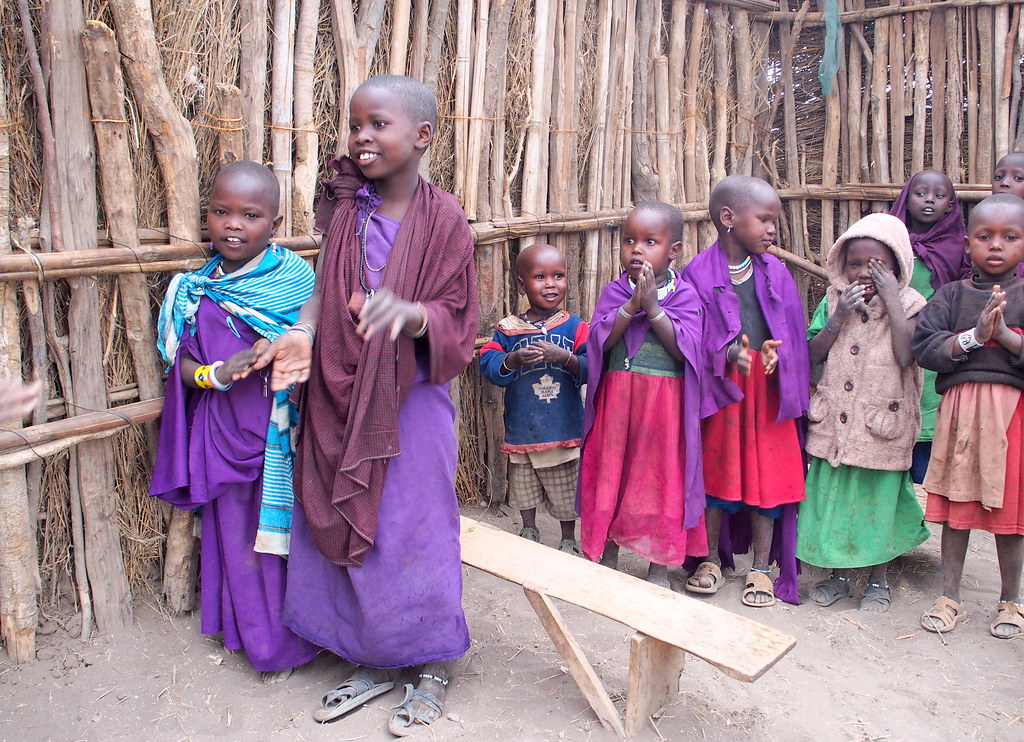
Tanzania Cultural Safaris: Discover the Soul of East Africa Beyond Wildlife
Tanzania is globally celebrated for its spectacular wildlife safaris, endless savannahs, and iconic landscapes. Travelers from every corner of the world arrive to witness the Great Migration in Serengeti National Park, descend into the breathtaking Ngorongoro Conservation Area, or relax on the white beaches of Zanzibar City. Yet beyond the famous safari circuits lies another extraordinary treasure that many visitors overlook — Tanzania’s vibrant cultural heritage.
A Tanzania cultural safari is an immersive journey into the traditions, lifestyles, beliefs, and histories of the country’s many ethnic communities. It is an opportunity to connect with local people, understand traditional ways of life, and experience authentic African culture firsthand. Rather than simply observing wildlife from a safari vehicle, cultural safaris allow travelers to engage with the human stories that shape Tanzania’s identity.
With over 120 ethnic groups, Tanzania is one of Africa’s most culturally diverse nations. From the pastoral Maasai communities of northern Tanzania to the Hadzabe hunter-gatherers near Lake Eyasi, every region offers unique customs, languages, ceremonies, foods, music, and art forms. Cultural tourism opens the door to these experiences while supporting local communities and preserving important traditions.
Whether combined with a classic wildlife self drive safari, a hiking adventure, or a beach holiday, Tanzania cultural safaris create meaningful travel experiences that go far beyond sightseeing.

What Is a Tanzania Cultural Safari?
A cultural safari focuses on human heritage, local lifestyles, and authentic community interactions. Instead of concentrating solely on wildlife viewing, travelers participate in activities that introduce them to Tanzania’s diverse cultures and traditions.
These experiences may include:
- Visiting traditional villages
- Learning about indigenous lifestyles
- Joining local cooking sessions
- Participating in coffee tours
- Watching traditional dances and ceremonies
- Exploring local markets
- Visiting artisan workshops
- Learning traditional hunting or farming techniques
- Discovering historical and Swahili coastal heritage
Cultural safaris are designed to provide educational, respectful, and immersive experiences while generating income for local communities through tourism.
Unlike staged tourism experiences, many Tanzanian cultural programs are community-based and locally operated, offering travelers genuine interactions with residents.
Why Tanzania Is Perfect for Cultural Tourism
Tanzania’s incredible cultural diversity makes it one of Africa’s leading destinations for cultural travel. Every region offers a distinct atmosphere shaped by centuries of migration, trade, and adaptation to different environments.
The country’s cultures range from nomadic cattle herders and agricultural communities to fishing villages and coastal Swahili settlements influenced by Arab, Indian, and European traders.
Several factors make Tanzania ideal for cultural safaris:
Remarkable Ethnic Diversity
Tanzania’s 120-plus ethnic groups represent a rich mosaic of traditions and lifestyles. Each community contributes its own music, cuisine, language, clothing, and social practices.
Strong Preservation of Traditions
Many communities continue practicing traditional lifestyles despite modernization. Visitors can still encounter authentic pastoralism, blacksmithing, hunting traditions, and age-old farming methods.
Safe and Welcoming Environment
Tanzanians are widely known for their hospitality and friendliness. Visitors often describe cultural interactions as warm, genuine, and welcoming.
Combination With Wildlife Safaris
Tanzania uniquely allows travelers to combine world-class wildlife experiences with deep cultural exploration within a single itinerary.
Community-Based Tourism Initiatives
Many cultural tourism projects directly benefit local communities by supporting schools, healthcare, conservation, and sustainable development.
The Maasai Experience: Tanzania’s Most Famous Cultural Encounter
No discussion about Tanzania cultural safaris is complete without mentioning the Maasai people. Recognized globally for their colorful clothing, beadwork, and pastoral lifestyle, the Maasai remain one of East Africa’s most iconic communities.
The Maasai primarily inhabit areas surrounding Ngorongoro Conservation Area, Serengeti National Park, and the plains bordering Kenya.
Understanding Maasai Culture
Traditionally semi-nomadic pastoralists, the Maasai depend heavily on cattle for livelihood, social status, and ceremonial practices. Livestock remains central to their culture and identity.
Visitors to Maasai villages often learn about:
- Traditional homestead construction
- Warrior traditions
- Livestock management
- Marriage customs
- Beadwork symbolism
- Traditional medicine
- Ceremonial dances and songs
The famous Maasai jumping dance, known as Adumu, is one of the highlights of many cultural visits.
Visiting a Maasai Boma
A Maasai homestead, or boma, typically consists of several small houses built from mud, sticks, and cow dung, surrounded by protective fencing for livestock.
Guests may tour homes, interact with elders, learn about daily routines, and purchase handmade crafts directly from artisans.
Responsible cultural tours ensure these visits are respectful and mutually beneficial rather than exploitative.
Hadzabe Cultural Experiences at Lake Eyasi
One of Tanzania’s most fascinating cultural encounters takes place near Lake Eyasi, where the Hadzabe people maintain one of the world’s last remaining hunter-gatherer lifestyles.
The Hadzabe have lived in this region for thousands of years, surviving through hunting wild game, gathering fruits and roots, and living in harmony with nature.
A Rare Glimpse Into Ancient Traditions
Travelers visiting Hadzabe communities can experience:
- Traditional bow-and-arrow hunting demonstrations
- Bush walks identifying medicinal plants
- Fire-making techniques
- Honey gathering methods
- Traditional shelter construction
- Ancient click-based language communication
These experiences offer extraordinary insight into one of humanity’s oldest surviving ways of life.
The Datoga Community
Lake Eyasi is also home to the Datoga people, skilled blacksmiths and pastoralists known for their metalworking traditions.
Visitors may observe:
- Traditional blacksmithing
- Jewelry making
- Weapon crafting
- Farming techniques
- Cultural dances
The combination of Hadzabe and Datoga experiences creates one of Tanzania’s most rewarding cultural safari destinations.
Mto wa Mbu: Tanzania’s Cultural Melting Pot
Located near Lake Manyara National Park, Mto wa Mbu is among Tanzania’s most popular cultural tourism villages.
What makes Mto wa Mbu unique is its diversity. More than 100 ethnic groups live together in this small town, making it one of the country’s richest cultural hubs.
Activities in Mto wa Mbu
Visitors can enjoy:
- Guided village walks
- Traditional banana beer tasting
- Local market visits
- Bicycle tours
- Rice farm excursions
- Traditional cooking classes
- Cultural dance performances
- Artisan workshops
The area is especially famous for its banana plantations and vibrant local atmosphere.
Authentic Food Experiences
One of the most memorable parts of visiting Mto wa Mbu is sampling local Tanzanian cuisine prepared by community members.
Meals may include:
- Ugali
- Nyama choma
- Pilau rice
- Bean stews
- Fresh tropical fruits
- Banana dishes
- Local vegetables and spices
These culinary experiences help travelers understand daily life and agricultural traditions.
Chagga Cultural Tours Around Mount Kilimanjaro
The fertile slopes of Mount Kilimanjaro are home to the Chagga people, one of Tanzania’s most economically influential communities.
Known for their agricultural expertise and coffee production, the Chagga have developed sophisticated farming systems over generations.
Coffee Tours
Coffee experiences are among the most popular cultural activities in the Kilimanjaro region.
Visitors can:
- Walk through coffee farms
- Learn cultivation techniques
- Roast coffee beans traditionally
- Grind coffee manually
- Brew fresh local coffee
These tours provide insight into Tanzania’s coffee-growing heritage while supporting small-scale farmers.
Traditional Chagga Life
Other cultural experiences may include:
- Visiting underground caves once used during tribal conflicts
- Exploring waterfalls and irrigation channels
- Learning traditional food preparation
- Hearing local folklore and legends
- Sampling banana beer
The lush scenery surrounding Kilimanjaro makes these experiences particularly scenic and relaxing.
Swahili Culture Along Tanzania’s Coast
Tanzania’s coastline has a unique cultural identity shaped by centuries of Indian Ocean trade. Swahili culture emerged from interactions between African, Arab, Persian, and Indian influences.
This heritage is especially visible in Bagamoyo and Zanzibar City.
Stone Town and Swahili Heritage
Stone Town, the historic center of Zanzibar City, is one of East Africa’s most culturally significant destinations.
Its winding alleys, carved wooden doors, spice markets, and historic buildings reflect centuries of maritime trade and cultural exchange.
Cultural Experiences in Stone Town
Visitors can enjoy:
- Guided historical tours
- Spice farm visits
- Traditional dhow sailing
- Swahili cooking lessons
- Local music performances
- Art and craft shopping
- Seafood markets
The town’s architecture combines Arab, Persian, Indian, and European influences in a uniquely East African style.
Swahili Cuisine
Swahili food is one of Tanzania’s culinary highlights.
Popular dishes include:
- Pilau rice
- Coconut curries
- Octopus curry
- Zanzibar pizza
- Fresh seafood
- Chapati
- Mandazi
- Spiced tea and coffee
Food tours provide excellent cultural immersion while supporting local businesses.
Traditional Music and Dance in Tanzania
Music and dance play essential roles in Tanzanian cultural identity. Different communities use performances to celebrate ceremonies, storytelling, weddings, and spiritual traditions.
Cultural Performances
Travelers may witness:
- Maasai warrior dances
- Ngoma drumming performances
- Swahili taarab music
- Tribal singing ceremonies
- Traditional wedding dances
These performances are often interactive, encouraging visitors to participate respectfully.
Taarab Music
Popular along the coast and Zanzibar, taarab blends African rhythms with Arab and Indian musical influences.
Its poetic lyrics and melodic instrumentation form an important part of Swahili cultural heritage.
Tanzania’s Traditional Crafts and Artisans
Cultural safaris also provide opportunities to discover Tanzania’s rich artistic traditions.
Makonde Wood Carving
The Makonde people are internationally known for intricate ebony carvings depicting spirits, family trees, and daily life scenes.
These carvings are among Tanzania’s most prized cultural exports.
Beadwork
Many communities, especially the Maasai, create colorful bead jewelry carrying symbolic meanings related to age, marital status, and social identity.
Basket Weaving and Textiles
Travelers may also encounter:
- Handwoven baskets
- Traditional fabrics
- Pottery
- Leatherwork
- Handmade musical instruments
Purchasing directly from artisans helps sustain these traditional industries.
Combining Wildlife and Cultural Safaris
One of the greatest advantages of Tanzania cultural tourism is how seamlessly it combines with wildlife adventures.
A single itinerary can include:
- Game drives in Tarangire National Park
- Cultural tours in Mto wa Mbu
- Maasai village visits near Ngorongoro
- Hadzabe experiences at Lake Eyasi
- Beach relaxation in Zanzibar
This combination creates a more balanced and enriching travel experience.
Northern Tanzania Cultural Safari Circuit
Northern Tanzania is the country’s most accessible and popular cultural safari region.
Common destinations include:
- Arusha National Park
- Tarangire National Park
- Lake Manyara National Park
- Ngorongoro Conservation Area
- Serengeti National Park
- Lake Eyasi
The proximity of wildlife parks and cultural communities makes this route highly convenient.
Southern Tanzania Cultural Experiences
Southern Tanzania offers less crowded and more remote cultural experiences.
Communities near:
- Nyerere National Park
- Ruaha National Park
- Mikumi National Park
provide opportunities for deeper community interaction away from mass tourism.
These regions are excellent for travelers seeking authenticity and off-the-beaten-path adventures.
Responsible Cultural Tourism in Tanzania
Ethical cultural tourism is essential for preserving traditions and protecting community dignity.
Choose Community-Based Tours
Responsible operators work directly with local communities to ensure tourism income benefits residents fairly.
Respect Local Customs
Visitors should:
- Dress modestly
- Ask before taking photos
- Follow guide instructions
- Respect sacred spaces
- Avoid intrusive behavior
Support Local Economies
Buying local crafts, using local guides, and staying in community-owned lodges helps create sustainable tourism benefits.
Best Time for Tanzania Cultural Safaris
Cultural safaris are available throughout the year, but dry seasons generally provide the best conditions.
June to October
This is Tanzania’s peak safari season with excellent wildlife viewing and comfortable temperatures.
December to February
Another excellent period with warm weather and good travel conditions.
Green Season Advantages
Traveling during rainy months can also be rewarding due to:
- Fewer tourists
- Lush landscapes
- Better photography conditions
- Lower travel costs
Cultural experiences continue year-round regardless of season.
Accommodation Options for Cultural Safaris
Tanzania offers a wide range of accommodations suitable for cultural travelers.
Luxury Lodges
Upscale safari lodges often incorporate cultural excursions into their itineraries.
Community Lodges
Community-run accommodations provide more immersive experiences while directly supporting local residents.
Campsites
Camping safaris create closer connections with nature and local communities.
Boutique Guesthouses
Small locally owned guesthouses often offer authentic hospitality and personalized experiences.
Tanzania Cultural Safari for Families
Cultural safaris are ideal for family travel because they combine education, adventure, and meaningful interaction.
Children often enjoy:
- Traditional dances
- Learning local games
- Farm visits
- Cooking experiences
- Craft workshops
These activities create memorable learning opportunities beyond conventional tourism.
Photography During Cultural Safaris
Tanzania’s cultural diversity offers incredible photography opportunities.
Popular subjects include:
- Traditional clothing
- Village life
- Cultural ceremonies
- Artisan craftsmanship
- Local markets
- Portrait photography
Always request permission before photographing individuals.
Benefits of Cultural Tourism for Local Communities
Responsible cultural tourism creates significant community benefits including:
- Employment opportunities
- Cultural preservation
- Educational funding
- Infrastructure development
- Women’s empowerment
- Conservation awareness
When managed responsibly, tourism helps communities maintain traditions while improving livelihoods.
Suggested Tanzania Cultural Safari Itinerary
Day 1: Arrival in Arusha
Relax and prepare for your safari adventure.
Day 2: Mto wa Mbu Cultural Tour
Explore farms, markets, and local food traditions.
Day 3: Lake Eyasi
Meet the Hadzabe and Datoga communities.
Day 4: Ngorongoro Highlands
Visit Maasai villages and scenic landscapes.
Day 5–7: Serengeti Wildlife Safari
Combine game drives with cultural interaction.
Day 8: Kilimanjaro Region
Experience Chagga coffee tours and waterfalls.
Day 9–11: Zanzibar
Discover Swahili culture, Stone Town, and spice farms.
What to Pack for a Cultural Safari
Recommended items include:
- Comfortable walking shoes
- Modest clothing
- Hat and sunscreen
- Camera
- Reusable water bottle
- Light rain jacket
- Notebook for cultural learning
- Small cash for crafts and tips
Neutral-colored clothing is often preferable during village visits.
Why Cultural Safaris Create More Meaningful Travel
Wildlife safaris showcase Tanzania’s natural beauty, but cultural experiences reveal the country’s human spirit.
Travelers often leave cultural safaris with:
- Greater understanding of African traditions
- Personal connections with local people
- Appreciation for cultural diversity
- Memorable stories and experiences
- A deeper sense of responsible travel
These interactions transform a holiday into a truly enriching journey.
Final Thoughts on Tanzania Cultural Safaris
A Tanzania cultural safari offers one of Africa’s most rewarding travel experiences. Beyond the spectacular wildlife and landscapes lies a nation filled with history, tradition, resilience, and hospitality.
From Maasai pastoral lands and Hadzabe hunting grounds to Swahili coastal towns and Chagga coffee farms, Tanzania invites travelers to explore not only its natural wonders but also the cultures that define the country.
For travelers seeking authenticity, education, adventure, and meaningful human connection, Tanzania cultural safaris provide unforgettable experiences that remain long after the journey ends.