
Visiting Hippo Pools in Nyerere National Park on a Self-Drive Safari (Complete Guide)
Exploring the wild landscapes of southern Tanzania on a self-drive safari is one of the most adventurous ways to experience Africa. And when it comes to raw, untamed wildlife encounters, few places compare to the hippo-filled waterways of Nyerere National Park.
Unlike the structured and popular viewing points of Serengeti National Park, Nyerere offers something far more authentic—vast wilderness, minimal crowds, and natural hippo habitats scattered across rivers and lakes.
If you’re planning a self-drive safari here, this guide will walk you through everything you need to know—from where to find hippos to how to stay safe in one of Africa’s most remote parks.
🌍 Overview of Nyerere National Park
Nyerere National Park is Africa’s largest national park, covering over 30,000 square kilometers. It forms part of the former Selous Game Reserve and is defined by its intricate network of rivers, lakes, and floodplains.
At the heart of this ecosystem lies the Rufiji River, one of the most important water systems in East Africa. This river is the lifeline of the park—and the primary habitat for one of its most iconic residents: the Hippopotamus.
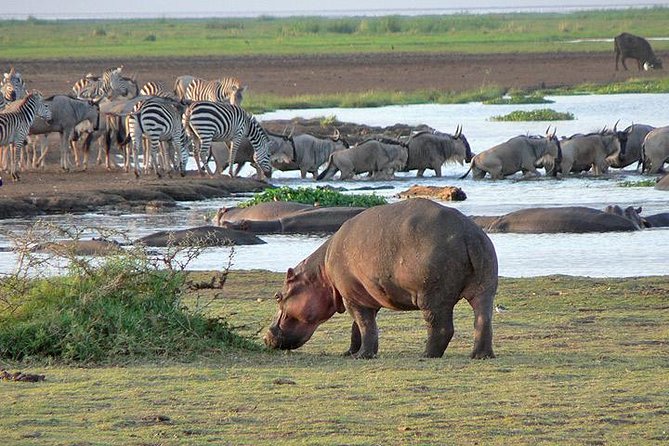
Unlike savannah parks where wildlife gathers around seasonal waterholes, Nyerere’s permanent water sources support large, stable hippo populations year-round.
🦛 What Makes Hippo Viewing in Nyerere Unique
Hippo viewing in Nyerere is fundamentally different from northern Tanzania parks. Here’s why:
1. No Single “Hippo Pool”
Instead of one famous location, hippos are found throughout:
- River channels
- Oxbow lakes
- Floodplain lagoons
This creates a more natural and less crowded experience.
2. Wild and Undisturbed Behavior
Because the park sees fewer visitors:
- Hippos behave more naturally
- Less habituated to vehicles
- More territorial and unpredictable
3. Multi-Species Encounters
Hippo areas are hotspots for:
- Nile crocodiles
- Elephants
- Buffalo
- Waterbirds and fish eagles
👉 You’re not just visiting a hippo pool—you’re entering a full ecosystem.
📍 Best Places to See Hippos in Nyerere
Rufiji River
The main artery of the park and the best place to see large pods.
- Constant water supply
- Deep channels preferred by hippos
- Excellent wildlife density
Lake Tagalala
One of the most accessible lakes for self-drive travelers.
- Calm waters with large hippo groups
- Great for photography
- Often visited by elephants
Siwandu Area Lakes
Near lodges and camps, these lakes offer reliable sightings.
- Easier access
- Safer stopping points
- High chance of multiple species
Northern Circuits (Mtemere Area)
Ideal entry zone for self-drivers.
- Close to park gates
- Good introduction to river systems
- Less navigation complexity
🚗 Self-Drive Safari in Nyerere: What to Expect
Self-driving in Nyerere is not for beginners. It’s a true wilderness experience.
Road Conditions
- Sandy tracks
- Seasonal flooding
- Limited signage
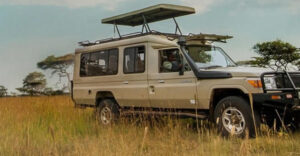
👉 A 4×4 vehicle is mandatory
Navigation Challenges
- GPS coverage is unreliable
- Tracks may not appear on Google Maps
👉 Use offline apps like Maps.me or Tracks4Africa
Remote Environment
- Long distances without services
- Minimal ranger presence
- Limited network coverage
👉 You must be self-sufficient
⚠️ Safety Guide for Visiting Hippo Areas
This is the most important part of your trip.
Hippos are responsible for more human fatalities in Africa than lions. In Nyerere, the risk is higher due to fewer controlled viewing zones.
🚫 Rule 1: Do Not Exit Your Vehicle Near Water
Unlike some parks, Nyerere has:
- Few designated viewpoints
- No protective barriers
👉 Stay inside your vehicle at all times near rivers and lakes.
🚫 Rule 2: Keep a Safe Distance from the Water
Hippos are extremely territorial in water.
- They may charge if they feel threatened
- They can run up to 30 km/h on land
👉 Always stop far from the riverbank
🚫 Rule 3: Avoid Dense Vegetation Near Water
Hippos rest in water during the day and graze at night.
- They use hidden paths
- Can be resting in bushes during cooler hours
👉 Never walk in these areas.
🚫 Rule 4: Avoid Night or Late Stops
Hippos become highly active after sunset.
- They leave water to feed
- Often cross roads
👉 Plan to be back at camp before dark.
🚫 Rule 5: Stay Alert at All Times
When stopping:
- Keep engine running or ready
- Stay in driver’s seat
- Watch surroundings continuously
🕒 Best Time to Visit Hippo Areas
Dry Season (June – October)
- Best visibility
- Animals gather at permanent water
- Easier road conditions
Wet Season (November – May)
- Lush scenery
- More dispersed wildlife
- Some roads may be impassable
Best Time of Day
- Early morning → calm and active
- Late afternoon → vocal and interactive behavior
👀 What You’ll See at a Hippo Pool
A typical hippo scene in Nyerere includes:
- Dozens of hippos packed together
- Only eyes, ears, and nostrils visible
- Loud grunting and splashing
- Occasional dominance displays (open jaws)
- Mothers protecting calves
You may also witness:
- Crocodiles basking nearby
- Elephants drinking
- Birds hunting fish
👉 It’s loud, dramatic, and completely natural.
📸 Photography Tips
To capture the best moments:
- Use a zoom lens (200mm+)
- Avoid getting physically closer
- Shoot during golden hours
- Focus on behavior, not just portraits
- Use binoculars for observation
🧭 Suggested Self-Drive Route (Hippo Focus)
Day 1: Entry via Mtemere Gate
- Drive toward Rufiji River
- First hippo sightings along riverbanks
Day 2: Lake Tagalala Loop
- Explore lakes and surrounding plains
- Excellent for photography
Day 3: Siwandu Circuit
- Combine lakes, river channels, and wildlife viewing
- High diversity of species
👉 Always carry:
- Extra fuel
- Drinking water
- Spare tire
- Emergency kit
🏕️ Where to Stay
Options range from:
- Public campsites
- Special campsites (remote)
- Lodges near rivers
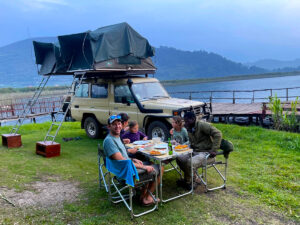
Camping gives you the most immersive experience—but also requires the most preparation.
🌿 Responsible Wildlife Viewing
When visiting hippo habitats:
- Maintain distance
- Do not feed animals
- Avoid loud noises
- Respect park rules
👉 You are a visitor in a wild environment—not the other way around.
⚡ Final Thoughts
A self-drive safari to hippo habitats in Nyerere National Park is not just another wildlife stop—it’s a deep dive into one of Africa’s last true wilderness areas.
Here, there are no crowds, no fences, and very few second chances if you ignore safety.
But if approached with respect and preparation, the experience is unmatched:
- Raw wildlife encounters
- Untouched landscapes
- Authentic safari adventure
👉 In short: it’s Africa at its wildest.