
Cultural Self-Drive Safaris in Dar es Salaam: Explore Tanzanian Culture by 4×4
Introduction to Cultural Self-Drive Safaris in Dar es Salaam
Cultural self-drive safaris in Dar es Salaam offer travelers an opportunity to discover Tanzania’s coastal heritage, historic landmarks, vibrant markets, local cuisine and diverse urban communities at their own pace. With a suitable 4×4 car rental in Dar es Salaam, you can explore the city’s cultural attractions, travel to historic Bagamoyo, discover nearby coastal communities and continue inland toward Morogoro or southern Tanzania.
Dar es Salaam is more than Tanzania’s largest commercial city. It is an important gateway to Swahili culture, Indian Ocean history and the traditions of communities from across the country. Its identity has been shaped by coastal trade, migration, fishing, commerce and the interaction of African, Arab, Asian and European influences.
A cultural road trip allows you to experience this diversity beyond conventional sightseeing. You can visit museums, explore local markets, sample Tanzanian food, discover historical buildings and arrange community experiences with knowledgeable local hosts.
Whether you are visiting Dar es Salaam for a short holiday, arriving for a business trip or beginning a longer East African adventure, a self-drive itinerary gives you flexibility to explore the city and its surroundings.
If you want to travel independently, consider our Dar es Salaam car hire services to help plan your cultural road trip, coastal excursion or longer Tanzania safari.
Why Choose a Cultural Self-Drive Safari in Dar es Salaam?
Dar es Salaam is an excellent starting point for travelers interested in Tanzania’s coastal culture and everyday life. Unlike a wildlife-focused safari, a cultural road trip concentrates on history, food, architecture, crafts, markets and the communities that shape the destination.
A self-drive journey allows you to decide how much time to spend at each attraction and combine city sightseeing with excursions outside Dar es Salaam.
The main benefits include:
- Explore at your own pace: Visit museums, markets, historic sites and coastal attractions according to your interests.
- Discover Swahili culture: Learn about the traditions, cuisine and maritime history of Tanzania’s coast.
- Experience local life: Explore markets, sample traditional food and arrange community-based activities.
- Enjoy coastal road trips: Travel toward Bagamoyo and other suitable destinations along the coast.
- Combine culture with nature: Add beaches, nature reserves or a longer southern Tanzania safari to your itinerary.
- Choose your preferred travel style: Stay in hotels and guesthouses or use suitable camping facilities where permitted.
A cultural self-drive safari is particularly rewarding when you plan a realistic route. Dar es Salaam traffic, travel distances and opening hours can affect how many attractions you can comfortably visit in one day.
Best Cultural Attractions in Dar es Salaam
1. National Museum and House of Culture
The National Museum and House of Culture is an important place to begin exploring Tanzania’s history and heritage.
Its exhibitions introduce visitors to aspects of the country’s archaeological heritage, historical development, cultural traditions and artistic achievements. A museum visit can provide valuable context before exploring the city, nearby coastal settlements or destinations farther inland.
The museum is particularly useful for travelers who want to understand Tanzania beyond its wildlife attractions. It can also help families and independent travelers develop a broader appreciation of the country’s diverse communities.
Self-drive tip: Include the museum early in your Dar es Salaam itinerary, allowing enough time for traffic and other nearby attractions. Confirm current opening hours and admission arrangements before visiting.
2. Kivukoni Fish Market and Dar es Salaam’s Coastal Life
Dar es Salaam’s relationship with the Indian Ocean is an important part of its cultural identity. Fishing, seafood trading and coastal commerce continue to influence everyday life in the city.
A visit to the Kivukoni fish market area can provide a glimpse into the city’s fishing economy, with activity shaped by the arrival of catches, traders and customers.
Visitors interested in food culture can also explore local restaurants serving fresh seafood and other coastal dishes.
Because fish markets are working commercial spaces, visit respectfully, follow local instructions and ask permission before photographing people.
Self-drive tip: Visit during suitable daytime hours and plan parking carefully. Market conditions and activity levels can vary throughout the day.
3. Kariakoo Market: Discover Everyday Tanzanian Commerce
Kariakoo is one of Dar es Salaam’s best-known commercial districts. Its busy streets and market areas offer an insight into the city’s trading culture and everyday urban life.
Travelers can explore shops selling clothing, household goods, food products and other merchandise while observing how Dar es Salaam connects producers, traders and consumers from different parts of Tanzania.
Kariakoo is not a conventional tourist attraction, but it can be a rewarding stop for visitors interested in contemporary Tanzanian culture.
The area is usually busy, so keep valuables secure and avoid carrying unnecessary items. If driving, consider arranging parking in advance or using local transport for the busiest sections.
4. Mwenge Carvers Market and Tanzanian Handicrafts
Mwenge Carvers Market is a useful stop for travelers interested in traditional crafts and locally produced souvenirs.
Depending on the artisans and products available, visitors may find woodcarvings, sculptures, paintings, decorative objects and other handicrafts reflecting Tanzanian artistic traditions.
Shopping directly from artisans or small businesses can provide opportunities to learn about materials, techniques and the stories behind particular designs.
Take time to compare products, ask questions and confirm prices before buying. If you plan to carry larger pieces home, check your airline’s baggage rules and any relevant export requirements.
5. Askari Monument and the Historic City Centre
The Askari Monument is a notable landmark in central Dar es Salaam, commemorating African soldiers who served in the First World War.
The surrounding city centre contains streets and buildings that reflect different stages of Dar es Salaam’s historical development. Exploring the area helps visitors understand how the city evolved from a coastal settlement into a major commercial and administrative centre.
A walking tour with a knowledgeable local guide can provide additional historical context and help you identify architectural features that might otherwise go unnoticed.
When visiting central Dar es Salaam, be mindful of traffic, pedestrian crossings and parking restrictions.
6. Azania Front Lutheran Church and Historic Architecture
Dar es Salaam’s historic architecture reflects the different communities and institutions that contributed to the city’s development.
Azania Front Lutheran Church is one of the city’s recognizable historic buildings. Its architecture provides an interesting contrast with the modern commercial areas surrounding it.
Visitors interested in architecture and history can combine a visit to the church’s exterior with other nearby landmarks in the city centre.
As it is a place of worship, respect services, local guidelines and the privacy of worshippers. Confirm access arrangements before entering.
7. Traditional Tanzanian Food and Coastal Cuisine
Food is one of the most enjoyable ways to experience Dar es Salaam’s cultural diversity.
Local restaurants, food stalls and markets offer dishes influenced by mainland Tanzanian traditions and Swahili coastal cooking. Depending on the establishment, travelers may encounter pilau, biryani, ugali, grilled fish, coconut-based dishes, chapati, mishkaki and seasonal tropical fruits.
A food-focused excursion can include a market visit followed by a meal at a reputable local restaurant. Travelers can also arrange a cooking experience where available to learn about ingredients, preparation techniques and the cultural influences behind different dishes.
Self-drive tip: Choose reputable food establishments, take ordinary precautions with food hygiene and drinking water, and allow time for city traffic between stops.
Best Cultural Day Trips from Dar es Salaam
One of the advantages of arranging a self-drive safari from Dar es Salaam is the opportunity to explore destinations beyond the city. The best excursion depends on your available time, road conditions and cultural interests.
1. Bagamoyo: History and Swahili Coastal Heritage
Bagamoyo is one of the most rewarding cultural excursions from Dar es Salaam. The historic coastal town is associated with Indian Ocean trade, missionary activity, colonial history and the movement of people and goods along the East African coast.
Visitors can explore historic sites, discover traditional coastal architecture and learn about the town’s role in regional history. Local guidance can help explain the significance of individual landmarks and the complex history of the area.
Bagamoyo is also a place to appreciate the continuing importance of Swahili culture, coastal livelihoods and local commerce.
A road trip to Bagamoyo can be planned as a long day excursion or as an overnight visit if you prefer a more relaxed schedule.
2. Kunduchi and the Northern Coast
The northern coastal area around Kunduchi offers a different atmosphere from the busy city centre. Depending on your chosen stops, you can combine coastal scenery, local communities and a relaxing break by the Indian Ocean.
The wider area has historical and cultural connections to coastal settlement and trade, although access and facilities vary between individual sites.
A self-drive excursion can combine suitable coastal attractions with lunch at a local restaurant or a stay near the beach.
Check current access arrangements for specific historical sites and private properties before visiting.
3. Pugu Hills and the Natural Landscape Around Dar es Salaam
For travelers who want to combine cultural exploration with outdoor activities, the wider area around Pugu Hills offers an opportunity to experience landscapes outside the urban centre.
Depending on the activity and location, visitors may enjoy guided walks, nature experiences and learning about the local environment.
Arrange visits with an appropriate local guide or activity provider, particularly if you plan to explore less familiar trails.
A 4×4 may be helpful on some rural routes, but the vehicle requirement depends on the precise destination, weather and road conditions.
4. Morogoro: Gateway to the Eastern Highlands
Morogoro offers a change of scenery from Dar es Salaam, with a more relaxed town atmosphere and access to agricultural landscapes and the foothills of the Uluguru Mountains.
Travelers can explore local markets, sample regional food and arrange guided experiences focused on farming, local livelihoods or the natural environment.
Morogoro can also serve as a stop on a longer self-drive journey toward Mikumi National Park, Iringa or southern Tanzania.
For a short visit, allow adequate driving time and avoid trying to fit too many activities into one day.
5. Zanzibar: Swahili Heritage and Stone Town
Zanzibar is a popular extension for travelers interested in Swahili history, historic architecture, spice traditions and coastal culture.
Stone Town features narrow streets, carved doors, historic buildings and markets that reflect centuries of Indian Ocean cultural exchange. Visitors can explore historic attractions, sample local cuisine and arrange guided walks that explain the island’s complex heritage.
Zanzibar requires separate transport planning from a mainland self-drive itinerary. Travelers commonly leave their rental vehicle on the mainland and travel by ferry or flight.
Before booking, confirm your rental company’s policy regarding ferry transport, vehicle storage and any island travel restrictions.
Suggested 3-Day Cultural Self-Drive Itinerary in Dar es Salaam
Day 1: Explore Dar es Salaam’s History and Markets
Begin with a visit to the National Museum and House of Culture to learn about Tanzania’s history and heritage.
Continue toward the historic city centre to see selected landmarks, such as the Askari Monument and Azania Front Lutheran Church. Allow time for lunch at a restaurant serving Tanzanian or Swahili cuisine.
In the afternoon, explore Kariakoo or visit Mwenge Carvers Market, depending on your interests and traffic conditions.
Overnight in Dar es Salaam.
Day 2: Discover Coastal Culture and Local Food
Start your day with a visit to the Kivukoni fish market area, observing local fishing and seafood trading activities respectfully.
Continue to a suitable coastal attraction or arrange a guided cultural experience. Enjoy a seafood lunch or sample other local dishes.
In the afternoon, spend time exploring a different part of the city or relax along the coast.
Overnight in Dar es Salaam.
Day 3: Take a Cultural Road Trip to Bagamoyo
Leave Dar es Salaam early enough to allow for traffic and travel time toward Bagamoyo.
Explore selected historic attractions and learn about the town’s role in East African coastal history. Consider arranging a local guide to provide context for the sites you visit.
Enjoy a meal in town before returning to Dar es Salaam, or stay overnight if you want more time to explore.
Planning note: This itinerary is flexible rather than a fixed tour. Check current opening hours, road conditions and access arrangements, and allow additional time if you plan to return to Dar es Salaam on the same day.
Extended 5-Day Cultural Self-Drive Itinerary from Dar es Salaam
A five-day trip allows you to explore the city’s culture and extend your journey toward Bagamoyo and Morogoro.
Day 1 — Dar es Salaam city centre: Visit the National Museum and House of Culture, explore selected historic landmarks and enjoy local cuisine.
Day 2 — Markets and coastal life: Discover Kariakoo, visit a handicraft market and explore Dar es Salaam’s coastal food culture.
Day 3 — Bagamoyo: Drive to Bagamoyo for historic sites, Swahili heritage and local cultural experiences. Stay overnight if you prefer a slower pace.
Day 4 — Return toward Dar es Salaam: Enjoy additional sightseeing or stop at suitable coastal attractions along your route, where access is permitted.
Day 5 — Morogoro or departure: Depending on your departure arrangements, take a road trip toward Morogoro or spend more time exploring Dar es Salaam before returning your vehicle.
If you intend to visit Morogoro and return to Dar es Salaam on the same day, assess the travel time carefully. For a longer route toward Mikumi or Iringa, add extra days rather than rushing.
Combining Cultural Tourism with a Southern Tanzania Self-Drive Safari
Dar es Salaam is an excellent starting point for travelers who want to combine cultural exploration with a wildlife adventure in southern Tanzania.
Dar es Salaam and Mikumi National Park
Travel inland toward Mikumi National Park for a combination of road-trip scenery and wildlife viewing. The journey can be combined with selected stops in Morogoro, subject to your schedule.
Before departure, check park entry requirements, opening arrangements, driving rules and overnight options.
Explore our Mikumi self-drive safari guide for additional planning ideas.
Dar es Salaam, Udzungwa Mountains and Local Communities
Travelers interested in nature and local culture can consider an itinerary toward the Udzungwa Mountains region.
The area is known for forest landscapes, hiking opportunities and distinctive biodiversity. Arrange hiking activities with appropriate guides and check trail conditions before departure.
Depending on your route, you can also explore towns, markets and local food traditions along the way.
Dar es Salaam to Iringa and the Southern Highlands
A longer self-drive journey toward Iringa offers opportunities to experience the changing landscapes of Tanzania’s interior, local markets and regional food traditions.
You can extend the journey toward Ruaha National Park if your schedule and vehicle arrangements permit.
For a longer road trip, read our southern Tanzania self-drive safari guide and plan enough time for driving, fuel stops and overnight stays.
Choosing the Best 4×4 Rental in Dar es Salaam for Cultural Travel
The right vehicle depends on your group size, travel plans, luggage and whether you intend to remain in the city or explore rural destinations.
For city sightseeing and many major roads, a standard vehicle may be adequate. A suitable 4×4 is a good option if your plans include rural roads, extended road trips, camping or wildlife destinations.
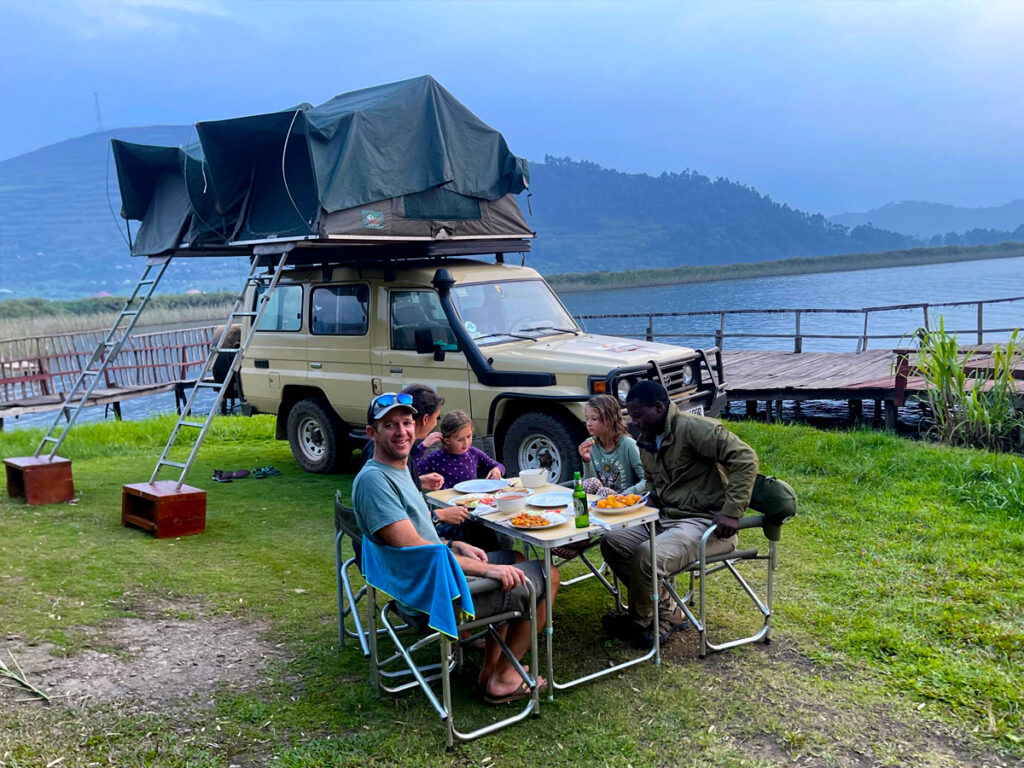
A Toyota Land Cruiser Prado or comparable 4×4 SUV may suit couples, families and small groups. Travelers planning camping trips can consider a 4×4 rental with rooftop tent in Tanzania, provided the vehicle and equipment suit the route and the campsites permit the planned overnight arrangements.
Before booking, check:
- Vehicle suitability: Confirm the vehicle matches your itinerary and road conditions.
- Passenger capacity: Ensure there is enough seating and luggage space for everyone.
- Insurance and excess: Understand what is covered and which exclusions apply.
- Mileage policy: Check whether mileage is unlimited or restricted.
- Breakdown support: Confirm the assistance available during your rental.
- Camping equipment: Verify which items are included if you choose a rooftop tent.
- Vehicle return arrangements: Confirm the location, time and procedure for returning the car.
- Cross-border permissions: Obtain written authorization before taking a rental vehicle outside Tanzania.
You do not need a rooftop tent simply to explore Dar es Salaam’s cultural attractions. Travelers staying in hotels and guesthouses can choose a vehicle without camping equipment.
Practical Tips for a Dar es Salaam Cultural Self-Drive Safari
Plan Around Traffic
Traffic can be heavy in Dar es Salaam, especially during peak commuting periods. Group nearby attractions together and leave extra time for driving and parking.
Arrange Guided Experiences in Advance
Some cultural visits, historic attractions and community activities require advance booking or local guidance. Confirm availability, costs and meeting arrangements before setting out.
Respect Local Communities
Ask permission before taking photographs, respect places of worship and follow instructions at working markets. Choose cultural experiences that engage local hosts respectfully.
Check Road Conditions
Road conditions can vary outside the city, particularly during rainy periods. Check your route before departure and avoid driving unfamiliar rural roads after dark where possible.
Keep Your Belongings Secure
As in other busy urban areas, take care of phones, cameras, wallets and other valuables in crowded markets and public spaces. Use appropriate parking and follow local advice.
Budget for All Travel Costs
Your overall budget may include vehicle rental, fuel, parking, accommodation, food, cultural activities, local guides and admission fees. Longer trips may also require park fees, camping charges or ferry and flight connections.
Ask for an itemized rental quotation so you can distinguish vehicle costs from other travel expenses.
Frequently Asked Questions About Cultural Self-Drive Safaris in Dar es Salaam
Is Dar es Salaam suitable for a cultural self-drive safari?
Yes. Dar es Salaam offers museums, historic landmarks, markets, handicrafts and coastal food experiences. It is also a convenient starting point for cultural excursions to Bagamoyo and longer road trips into eastern and southern Tanzania.
What are the best cultural attractions in Dar es Salaam?
Popular options include the National Museum and House of Culture, Kariakoo Market, Mwenge Carvers Market, the Askari Monument, Azania Front Lutheran Church and the Kivukoni fish market area.
Can I visit Bagamoyo from Dar es Salaam by rental car?
Yes, subject to your rental agreement and current road conditions. Bagamoyo can be visited as a day trip or an overnight excursion. Allow sufficient travel time and confirm the opening hours and access requirements of the attractions you plan to visit.
Do I need a 4×4 to explore Dar es Salaam?
Not for most city sightseeing. A standard vehicle may be suitable for urban attractions and many main roads. A 4×4 is more useful if your itinerary extends to rural destinations, camping or certain wildlife areas.
How many days should I spend on cultural tourism in Dar es Salaam?
Two or three days can cover selected city attractions and local food experiences. Four to five days provides more flexibility to include Bagamoyo or another nearby destination. Longer trips allow you to explore southern Tanzania.
Can I combine cultural tourism with a wildlife safari?
Yes. Dar es Salaam can serve as a starting point for a road trip toward Mikumi National Park, Udzungwa Mountains and other southern Tanzania destinations. Allow enough time for travel and check current park requirements.
Can I rent a 4×4 with a rooftop tent in Dar es Salaam?
Depending on availability, you may be able to arrange a suitable 4×4 with a rooftop tent and camping equipment. Confirm the vehicle model, included equipment, insurance and permitted overnight locations before booking.
Can I take my rental vehicle to Zanzibar?
Do not assume that mainland rental vehicles can be transported to Zanzibar. Check the rental company’s policy and arrange separate transport if required. Ferry or flight connections may be more practical for many travelers.
What is the best time for cultural tourism in Dar es Salaam?
Cultural attractions can be visited throughout the year. Weather can affect outdoor activities and road conditions, so check the forecast and plan coastal or rural excursions accordingly.
Plan Your Cultural Self-Drive Safari in Dar es Salaam
Discover Dar es Salaam beyond its role as Tanzania’s commercial capital with a cultural self-drive safari focused on Swahili heritage, local markets, historic landmarks, traditional food and coastal life.
Explore the city’s museums and craft markets, learn about Tanzania’s history, arrange a cultural excursion to Bagamoyo or continue inland toward Morogoro and the southern safari circuit.
With a suitable vehicle, a realistic itinerary and respectful engagement with local communities, you can create a rewarding journey that combines urban culture, coastal heritage and independent travel.
Ready to explore? Start with our Dar es Salaam 4×4 car rental options and plan a cultural road trip that matches your travel dates, interests and budget. You can also connect your journey with a Tanzania self-drive safari, a southern Tanzania safari or a rooftop tent camping adventure in Tanzania for a longer East African experience.