
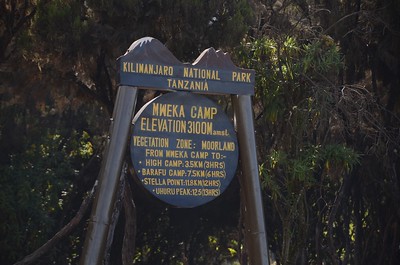
Mount Kilimanjaro National Park, Tanzania: A Complete Guide to Climbing Africa’s Highest Mountain
Introduction: Discover the Roof of Africa
Rising dramatically above the plains of northern Tanzania, Mount Kilimanjaro is one of Africa’s most recognisable natural landmarks and a dream destination for adventure travellers from around the world. Standing at approximately 5,895 metres (19,341 feet) above sea level, it is the highest mountain in Africa and the world’s tallest free-standing mountain.
Located in northeastern Tanzania, close to the Kenyan border, Kilimanjaro offers an extraordinary trekking experience through several ecological zones. From the tropical montane rainforest at its lower slopes to the alpine desert and icy summit, every stage of the climb introduces a different landscape, climate and natural environment.
Unlike many high mountains around the world, Kilimanjaro can be climbed without advanced technical mountaineering skills. However, reaching the summit is physically demanding and requires proper preparation, a suitable climbing itinerary and enough time for altitude acclimatisation.
For travellers seeking an unforgettable African adventure, Mount Kilimanjaro climbing tours offer an opportunity to stand at Uhuru Peak, watch the sunrise above the clouds and experience the remarkable beauty of Tanzania’s highest mountain.
Whether you are planning a solo adventure with a group, a private mountain expedition or a longer holiday combining trekking with wildlife viewing, Kilimanjaro is an outstanding destination to include in your East African travel plans.
Where Is Mount Kilimanjaro Located?
Mount Kilimanjaro is situated in the Kilimanjaro Region of northeastern Tanzania, close to the international border with Kenya. The mountain lies within Kilimanjaro National Park, a protected area established to conserve its distinctive landscapes, mountain ecosystems and wildlife.
The nearest major towns are Moshi and Arusha. Moshi is the principal gateway for most Kilimanjaro climbing expeditions, while Arusha is a popular base for travellers combining mountain trekking with northern Tanzania wildlife safaris.
Most international climbers arrive through Kilimanjaro International Airport (JRO), which is approximately 40–45 kilometres from the mountain area, depending on the destination gate. Transfers to Moshi hotels and climbing departure points are normally arranged by tour operators.
Kilimanjaro National Park covers an extensive mountain environment, protecting the volcanic peaks, forests, moorlands, alpine desert and summit landscapes.
According to Tanzania National Parks (TANAPA), the mountain consists of three major volcanic features: Kibo, Mawenzi and Shira. Kibo contains Uhuru Peak, the highest point in Africa. Mawenzi is a rugged volcanic peak, while Shira forms a high plateau associated with an ancient collapsed volcanic structure.
The Three Volcanic Peaks of Mount Kilimanjaro
Mount Kilimanjaro is made up of three volcanic cones, each with its own geological character and landscape.
1. Kibo Peak
Kibo is the highest of Kilimanjaro’s three volcanic cones, reaching 5,895 metres above sea level. It is home to Uhuru Peak, the ultimate destination for climbers attempting to reach the highest point in Africa.
The upper slopes of Kibo are characterised by volcanic rock, glaciers, ice fields and high-altitude desert landscapes. The final ascent normally begins around midnight, allowing climbers to reach the summit around sunrise, depending on weather, fitness and progress.
Uhuru Peak is the main summit objective for most trekkers.
2. Mawenzi Peak
Mawenzi rises to approximately 5,149 metres and is known for its dramatic rocky ridges, steep cliffs and rugged volcanic formations.
Unlike the more accessible Kibo summit route, Mawenzi is technically challenging and requires specialised mountaineering experience. It is therefore not a standard trekking destination for ordinary Kilimanjaro climbers.
The mountain’s jagged appearance creates some of the most impressive views along the trekking routes, especially from the high-altitude camps.
3. Shira Peak and Shira Plateau
Shira is the oldest of Kilimanjaro’s three volcanic features. Its summit area reaches approximately 3,962 metres, and its ancient volcanic caldera has developed into the spectacular Shira Plateau.
The plateau is characterised by open moorland, volcanic formations and expansive mountain scenery. It is an important feature of the western approaches to Kilimanjaro, particularly the Lemosho and Shira routes.
The landscape offers excellent opportunities for photography and gradual acclimatisation when the itinerary is properly designed.
The Five Climatic Zones of Mount Kilimanjaro
One of the most fascinating aspects of climbing Kilimanjaro is the opportunity to pass through several distinct ecological zones during a single expedition. As climbers gain altitude, vegetation, temperature, rainfall and atmospheric conditions change dramatically.
1. Cultivated and Lower Slopes
The lower slopes of Kilimanjaro are surrounded by villages, agricultural land and plantations. Local communities cultivate crops such as coffee, bananas and maize, taking advantage of the fertile volcanic soils and favourable rainfall.
This area provides a glimpse into the traditional lifestyles and agricultural activities of communities living around the mountain.
2. Montane Rainforest Zone
The montane rainforest is one of the most beautiful sections of the climb. It is characterised by dense vegetation, tall trees, mosses, ferns and streams.
The forest receives considerable rainfall, creating a humid environment with rich biodiversity. Hikers may encounter blue monkeys, black-and-white colobus monkeys and various forest bird species.
The rainforest is also an important habitat for smaller mammals and other wildlife.
3. Heath and Moorland Zone
Above the rainforest, the vegetation gradually changes into heathland and moorland. Trees become less common, while shrubs, grasses and distinctive high-altitude plants dominate the landscape.
Giant groundsels and lobelias are among the most recognisable plants found in this zone. These unusual plants create an almost prehistoric appearance, making the moorland one of the most photogenic parts of the mountain.
The views also become wider, revealing volcanic ridges, valleys and distant plains.
4. Alpine Desert Zone
The alpine desert is a dry, exposed environment with limited vegetation. Temperatures can fluctuate considerably, with warm sunshine during the day and freezing conditions at night.
The landscape is characterised by volcanic rocks, loose scree, open ridges and sparse plant life.
As climbers approach the higher camps, the effects of altitude become increasingly noticeable. Walking slowly, drinking enough water and following the guide’s acclimatisation instructions are particularly important.
5. Arctic Summit Zone
The summit zone is the coldest and most challenging part of the mountain. Temperatures can fall well below freezing, especially during the night and early morning.
The landscape consists of volcanic rock, glaciers, ice fields and exposed mountain terrain. The remaining glaciers are among Kilimanjaro’s most recognisable natural features, although their extent has changed considerably over time.
Reaching Uhuru Peak at 5,895 metres is the highlight of the expedition. Climbers are rewarded with extraordinary views across the mountain and surrounding landscapes.
The Main Mount Kilimanjaro Climbing Routes
There are several established routes leading towards the summit of Kilimanjaro. Each route offers a different combination of scenery, trekking duration, accommodation arrangements and acclimatisation opportunities.
Choosing the right route is one of the most important decisions when planning a Kilimanjaro climbing safari.
1. Machame Route
The Machame Route is one of the most popular approaches to the summit. Often referred to as the Whiskey Route, it is known for its scenic landscapes and varied trekking terrain.
The route approaches the mountain from the southwest and passes through rainforest, moorland and alpine desert before joining the higher summit trails.
One of its major advantages is the opportunity to follow a climb-high, sleep-low acclimatisation pattern, particularly around the Lava Tower and Barranco Valley sections.
The Machame Route is commonly organised over six or seven days, although a longer itinerary is generally preferable for acclimatisation.
Best for: Trekkers seeking spectacular scenery, a varied trail and a well-established camping expedition.
2. Marangu Route
The Marangu Route is one of the oldest and most established Kilimanjaro climbing routes. It is commonly known as the Coca-Cola Route.
Unlike most other routes, Marangu provides mountain hut accommodation rather than tented camping. Climbers normally sleep in shared dormitory-style huts at Mandara, Horombo and Kibo.
The route approaches the mountain from the southeast and follows a relatively direct path towards the summit.
Although the trail is often described as having a more gradual gradient, its shorter itineraries can provide limited time for acclimatisation. An additional acclimatisation day is worth considering.
Best for: Travellers who prefer hut accommodation and a well-established trekking route.
3. Lemosho Route
The Lemosho Route approaches Kilimanjaro from the western side and is widely appreciated for its scenic beauty and gradual progression through different mountain environments.
The route begins in a remote forested area before crossing the beautiful Shira Plateau. It then joins sections of the southern circuit before approaching the summit through the Barafu area.
Lemosho is particularly attractive for climbers who want to experience varied landscapes and spend more time acclimatising.
It is commonly arranged over seven or eight days, with longer itineraries also available.
Best for: Climbers looking for a scenic route with a longer acclimatisation schedule.
4. Rongai Route
The Rongai Route approaches Kilimanjaro from the northern side, close to the Kenyan border.
It is known for its relatively remote atmosphere and different scenery compared with the southern approaches. The northern side generally receives less rainfall, making Rongai an option worth considering during some wetter periods.
The route passes through forest, moorland and alpine landscapes before joining the higher summit approaches.
It is commonly organised over six or seven days, although additional time can improve acclimatisation.
Best for: Travellers seeking a quieter northern approach and a different perspective of Kilimanjaro.
5. Northern Circuit Route
The Northern Circuit is the longest established trekking route on Kilimanjaro. It approaches the mountain from the west before continuing around the northern slopes.
Its extended itinerary allows climbers more time to acclimatise and experience different landscapes around the mountain.
The route offers broad views of the mountain, remote camps and a quieter trekking experience along much of the northern section.
It is commonly completed over eight or nine days, depending on the operator’s itinerary.
Best for: Trekkers who have enough time and want a longer route with extensive acclimatisation opportunities.
6. Umbwe Route
The Umbwe Route is a steep and demanding approach from the southern side of the mountain.
It is known for its direct ascent and challenging terrain. Because the route gains altitude relatively quickly, it is generally less suitable for inexperienced trekkers or climbers who have not allowed sufficient time for acclimatisation.
Experienced hikers considering this route should discuss the risks and itinerary carefully with a licensed mountain operator.
Best for: Experienced trekkers seeking a more demanding ascent and who have appropriate preparation.
7. Shira Route
The Shira Route approaches the mountain from the west and crosses the Shira Plateau before joining the higher mountain trails.
It shares some scenery with the Lemosho approach, although the starting elevation is higher. This can make the initial altitude gain more demanding for some climbers.
A properly planned itinerary is important to allow the body time to adjust to the altitude.
Best for: Experienced high-altitude trekkers who want to explore the western side of Kilimanjaro.
How Difficult Is It to Climb Mount Kilimanjaro?
Climbing Mount Kilimanjaro is a physically demanding adventure, but it does not normally require technical climbing skills, ropes or specialised mountaineering equipment on the standard trekking routes.
The main challenge is the altitude. At 5,895 metres, the summit has significantly less available oxygen than lower elevations. Even physically fit climbers can experience altitude-related symptoms.
The difficulty of the climb depends on several factors, including:
- The selected climbing route.
- The number of days spent on the mountain.
- Physical fitness and endurance.
- The body’s response to altitude.
- Weather and trail conditions.
- The quality of the guiding and support arrangements.
A longer itinerary generally provides more time for acclimatisation and can improve the opportunity to reach the summit. No route or operator can guarantee that every climber will reach Uhuru Peak.
Best Time to Climb Mount Kilimanjaro
Kilimanjaro can be climbed throughout the year, but some months generally offer more favourable weather conditions than others.
The two main rainy periods are the long rains, usually from March to May, and the shorter rains, generally around October and November. Conditions can vary from year to year and between different sides of the mountain.
January to March
January to March is one of the popular climbing periods. The weather is often relatively dry, although occasional precipitation can occur.
The mountain can offer excellent visibility, and the summit areas may experience beautiful snow-covered scenery.
This period is suitable for travellers who prefer to climb during the warmer part of the year.
June to October
June to October is another popular climbing season. These months generally offer favourable trekking conditions, although nights at higher elevations remain extremely cold.
The mountain attracts many climbers during this period, especially in July, August and September.
November to December
November is associated with the short rainy season, although conditions vary. December can offer opportunities for climbing, particularly later in the month, when weather conditions may become more favourable.
Travellers should be prepared for changing conditions and discuss route selection with their operator.
Which Month Is Best?
January, February, July, August and September are commonly considered favourable months for Kilimanjaro trekking. However, the best departure date depends on weather patterns, personal availability, preferred route and tolerance for crowds.
Wildlife and Birdlife on Mount Kilimanjaro
Although Kilimanjaro is best known for mountain trekking rather than conventional wildlife safaris, its forests and lower slopes support a variety of wildlife species.
The montane forest provides habitat for monkeys, small mammals and forest birds, while larger mammals may occur in less disturbed areas.
Mammals
Wildlife that may be encountered in the mountain ecosystem includes:
- Blue monkeys.
- Black-and-white colobus monkeys.
- Bushbucks.
- Duikers.
- Elephants in some forest areas.
- Buffaloes.
- Other small forest mammals.
Wildlife sightings are not guaranteed, and many animals are difficult to observe in the dense forest.
Birdlife
Kilimanjaro is also an interesting destination for birdwatching. Its different habitats support a variety of forest and highland bird species.
Birds that may be observed include turacos, hornbills, sunbirds, eagles, buzzards and other forest species.
The combination of rainforest, moorland and open mountain habitats creates opportunities to observe different bird communities along the trekking routes.
Things to Do in Kilimanjaro National Park
Although summit trekking is the main attraction, Kilimanjaro National Park offers several other experiences for visitors who want to explore the mountain without necessarily climbing to Uhuru Peak.
1. Climb to Uhuru Peak
The most famous activity is climbing to Uhuru Peak, the highest point in Africa.
The expedition takes several days and involves trekking through different climatic zones before the final summit attempt.
Reaching the summit is a memorable achievement for adventure travellers and one of the most rewarding experiences in Tanzania.
2. Explore the Shira Plateau
The Shira Plateau is one of the mountain’s most beautiful landscapes. Its open moorland, volcanic formations and expansive views create an excellent setting for photography and high-altitude exploration.
Visitors can experience sections of the plateau through authorised guided excursions and suitable trekking itineraries.
3. Enjoy a Guided Nature Walk
The lower forest zone provides opportunities for guided nature walks. Visitors can learn about the mountain’s vegetation, wildlife, birdlife and ecological importance.
A forest walk is an excellent alternative for travellers who want to experience Kilimanjaro without committing to a multi-day summit expedition.
4. Mountain Cycling
Kilimanjaro National Park also provides designated mountain cycling experiences. Cycling opportunities include the Kilema route and sections of the Shira Plateau, subject to park regulations and approved arrangements.
This is an exciting option for adventure travellers interested in exploring the mountain on two wheels.
5. Photography and Scenic Viewing
Kilimanjaro is one of the most photographed mountains in Africa. Its snow-capped summit, forested slopes, volcanic ridges and expansive views provide excellent opportunities for landscape photography.
Travellers can enjoy mountain views from selected viewpoints and surrounding areas, depending on weather conditions.
6. Crater Camping and Special Mountain Experiences
Specialised experiences, including crater camping, may be arranged subject to park permission, availability and appropriate safety arrangements.
These experiences are different from standard trekking itineraries and should be organised through an authorised operator.
How Long Does It Take to Climb Mount Kilimanjaro?
The duration depends on the selected route and the number of acclimatisation days included in the itinerary.
Most standard climbing expeditions take approximately five to nine days on the mountain, with additional time usually needed for arrival, preparation and recovery.
For many travellers, a seven- or eight-day itinerary is a useful balance between trekking time and acclimatisation. Longer routes can offer additional time to adjust to the altitude.
A typical Kilimanjaro holiday may include:
- Arrival at Kilimanjaro International Airport.
- Transfer to a hotel in Moshi or Arusha.
- Pre-climb briefing and equipment checks.
- Six to nine days of mountain trekking, depending on the route.
- Descent from the mountain.
- A recovery night at a hotel.
- Optional wildlife safari or Zanzibar beach holiday.
What to Pack for a Kilimanjaro Climbing Safari
Preparing the correct equipment is essential for a successful and comfortable climb. Temperatures vary significantly between the lower forest and the summit, so climbers need clothing suitable for warm, wet and freezing conditions.
Recommended equipment includes:
Clothing
- Moisture-wicking base layers.
- Warm fleece or insulated mid-layers.
- Waterproof and windproof jacket.
- Waterproof trekking trousers.
- Thermal underwear.
- Insulated summit jacket.
- Warm gloves and a hat.
- Hiking socks and spare pairs.
Footwear
- Comfortable, broken-in hiking boots.
- Camp shoes or lightweight sandals.
- Gaiters, where appropriate.
Personal equipment
- Daypack and waterproof cover.
- Sleeping bag suitable for freezing conditions.
- Headlamp with spare batteries.
- Trekking poles.
- Water bottles or hydration system.
- Sunglasses and high-factor sunscreen.
- Personal toiletries and medication.
- Camera or mobile phone with suitable protection.
Your tour operator should provide a detailed packing list and clarify which equipment is included in the climbing package and which items need to be rented or purchased.
Physical Preparation for Climbing Kilimanjaro
Although Kilimanjaro does not normally require technical climbing skills, physical preparation is important.
Travellers should begin training several months before departure, especially if they do not regularly participate in long-distance walking or hiking.
Useful preparation activities include:
- Regular long-distance walking.
- Hiking on uneven and hilly terrain.
- Stair climbing.
- Cardiovascular exercise.
- Strength training for the legs and core.
- Practising with a loaded daypack.
It is also helpful to complete several long hikes before the expedition, using the footwear and backpack intended for the mountain.
Physical fitness cannot prevent altitude sickness, so acclimatisation and careful monitoring remain essential.
Altitude Sickness and Safety on Mount Kilimanjaro
Altitude sickness is one of the main risks associated with climbing Kilimanjaro. It can affect anyone, regardless of age or fitness level.
Symptoms may include headaches, nausea, dizziness, tiredness and difficulty sleeping. More serious altitude-related illnesses can become life-threatening if not recognised and managed promptly.
To reduce the risks:
- Choose an itinerary with adequate acclimatisation time.
- Walk slowly and avoid unnecessary exertion.
- Drink fluids regularly.
- Follow your mountain guide’s instructions.
- Report symptoms immediately.
- Follow the guide’s and medical team’s advice about descent when symptoms are concerning.
A responsible climbing operator should have trained mountain guides, appropriate emergency procedures and access to suitable medical assessment and evacuation arrangements.
Important: Reaching the summit should never take priority over your health. If a guide or medical professional recommends descending, follow that advice.
Kilimanjaro National Park Entrance Fees and Climbing Costs
The cost of climbing Kilimanjaro depends on the route, number of days, visitor category, group size and level of service.
A complete climbing package may include:
- Kilimanjaro National Park conservation fees.
- Camping or mountain hut accommodation fees.
- Rescue and other applicable park charges.
- Professional mountain guides.
- Porters and mountain crew.
- Meals and drinking-water arrangements.
- Camping equipment on routes using tents.
- Hotel accommodation before and after the climb.
- Airport and mountain-gate transfers.
- Government taxes and operator service charges, where applicable.
The exact park fees depend on the applicable TANAPA tariff and visitor category. Published tariff information can change, so travellers should request a current, itemised quotation before booking.
It is important to compare climbing packages carefully. A very low advertised price may not include all park charges, crew costs, equipment, meals, accommodation or transfers.
Where to Stay Before and After Climbing Kilimanjaro
Most climbers spend at least one night in a hotel before starting the expedition and another night after descending from the mountain.
Moshi is the most convenient base for many climbing departures, while Arusha offers a wider choice of accommodation and is suitable for travellers combining Kilimanjaro with northern Tanzania safaris.
Accommodation options include:
- Budget guesthouses and hostels.
- Mid-range hotels.
- Boutique lodges.
- Luxury safari lodges.
- Hotels with gardens, swimming pools and mountain views.
On the mountain, accommodation depends on the selected route. Marangu uses designated mountain huts, while most other routes use organised tented camps.
Combining Mount Kilimanjaro with a Tanzania Wildlife Safari
One of the best ways to extend a Kilimanjaro holiday is by combining mountain trekking with a wildlife safari in northern Tanzania.
After several days of hiking, travellers can enjoy game drives across the country’s famous national parks and conservation areas.
1. Kilimanjaro and Tarangire National Park
Tarangire National Park is known for its large elephant populations, ancient baobab trees and seasonal wildlife concentrations along the Tarangire River.
A safari after Kilimanjaro offers an opportunity to see elephants, giraffes, zebras, wildebeest, buffaloes, lions and a variety of bird species.
2. Kilimanjaro and Serengeti National Park
The Serengeti is one of Africa’s most celebrated wildlife destinations. Its extensive grasslands support large populations of predators and grazing animals.
Travellers may encounter lions, cheetahs, leopards, elephants, giraffes, hyenas and numerous antelope species.
The Serengeti is also famous for the Great Wildebeest Migration, whose movements vary throughout the year.
3. Kilimanjaro and Ngorongoro Crater
Ngorongoro Crater is one of the most remarkable wildlife destinations in Tanzania. Its enclosed volcanic landscape supports a high concentration of wildlife, including elephants, lions, buffaloes, zebras and other species.
A crater game drive is an excellent addition to a Kilimanjaro climbing holiday.
4. Kilimanjaro and Lake Manyara National Park
Lake Manyara National Park offers a diverse combination of groundwater forest, open woodland, grassland and lake environments.
It is known for elephants, baboons, hippos, diverse birdlife and the possibility of observing tree-climbing lions.
5. Kilimanjaro and Arusha National Park
Arusha National Park is a convenient destination for travellers staying in Arusha or Moshi.
Visitors can enjoy wildlife game drives, guided walking safaris and canoeing experiences where available. The park also offers beautiful views of Mount Meru and the Momella Lakes.
Combining Kilimanjaro with a Zanzibar Beach Holiday
After completing a demanding mountain expedition, many travellers prefer to relax on the beaches of Zanzibar.
The island offers white sandy beaches, warm Indian Ocean waters, historical attractions and opportunities for snorkelling, diving and other marine activities.
Popular destinations include Nungwi, Kendwa, Paje, Jambiani and Stone Town.
A combined Kilimanjaro climbing and Zanzibar beach holiday provides a memorable contrast between high-altitude adventure and tropical relaxation.
A typical itinerary could include:
- Arrival in Tanzania.
- One night in Moshi.
- Seven or eight days climbing Kilimanjaro.
- One recovery night on the mainland.
- Flight to Zanzibar.
- Three to five nights enjoying the beaches and island attractions.
- Departure from Zanzibar.
Cultural Experiences Around Mount Kilimanjaro
The areas surrounding Kilimanjaro are home to communities with rich cultural traditions, particularly the Chagga people who have lived on the mountain’s fertile slopes for generations.
Visitors can learn about local agriculture, traditional food, coffee production and community history through organised cultural excursions.
Popular experiences include:
- Chagga cultural tours.
- Traditional coffee preparation.
- Visits to local villages.
- Exploration of historical caves.
- Guided walks through banana and coffee plantations.
- Local food experiences.
These activities offer a valuable opportunity to understand the relationship between the mountain, its natural environment and the communities living around it.
Why Choose Graceland Adventurous for Your Kilimanjaro Adventure?
Planning a successful Kilimanjaro expedition requires more than choosing a route and booking accommodation. Travellers need a well-organised itinerary, suitable equipment, experienced mountain crew and proper attention to acclimatisation and safety.
Graceland Adventurous can help travellers plan a memorable Tanzania adventure by combining mountain trekking with other experiences across East Africa.
Whether you are interested in a private Kilimanjaro climb, a group expedition, a northern Tanzania wildlife safari or a beach holiday in Zanzibar, your journey can be organised around your travel dates, preferred route and budget.
Explore our Mount Kilimanjaro climbing packages, discover our Tanzania wildlife safari tours, or combine your adventure with a relaxing Zanzibar beach holiday.
Contact Graceland Adventurous to start planning your journey to the Roof of Africa.
Frequently Asked Questions About Mount Kilimanjaro
1. How high is Mount Kilimanjaro?
Mount Kilimanjaro stands at 5,895 metres (19,341 feet) above sea level, making it the highest mountain in Africa.
2. Is Mount Kilimanjaro difficult to climb?
The climb is physically demanding, mainly because of the high altitude and long trekking days. However, the standard trekking routes do not normally require technical mountaineering skills.
3. How many days does it take to climb Kilimanjaro?
Most expeditions take between five and nine days on the mountain, depending on the selected route. Longer itineraries are generally recommended to allow better acclimatisation.
4. Which is the best route to climb Kilimanjaro?
Lemosho, Machame and the Northern Circuit are popular choices because they offer varied scenery and itineraries with opportunities for acclimatisation. The best route depends on fitness, available time and personal preferences.
5. Can beginners climb Mount Kilimanjaro?
Yes. Beginners can attempt Kilimanjaro if they prepare adequately, choose an appropriate route and follow a responsible climbing itinerary. Previous hiking experience is helpful but not always essential.
6. Do I need a guide to climb Kilimanjaro?
Yes. Climbs must be organised through licensed operators and accompanied by authorised mountain guides. Independent solo trekking is not permitted under park regulations.
7. When is the best time to climb Kilimanjaro?
January to March and June to October are commonly preferred climbing periods because they generally offer more favourable weather conditions. Weather can change, and no month guarantees clear skies.
8. Can I see snow on Mount Kilimanjaro?
Yes. Snow and ice can be found around the upper mountain, although the extent of the glaciers has changed over time. Summit conditions depend on the season and prevailing weather.
9. Can I combine Kilimanjaro climbing with a safari?
Yes. Kilimanjaro can be combined with Tarangire, Serengeti, Ngorongoro Crater, Lake Manyara and other northern Tanzania destinations.
10. Can I combine Kilimanjaro with Zanzibar?
Yes. Many travellers combine a Kilimanjaro climb with a Zanzibar beach holiday, enjoying mountain trekking before relaxing along the Indian Ocean coast.
11. Do I need to be an experienced mountaineer?
No technical mountaineering experience is normally required for the standard trekking routes. However, good physical preparation, endurance and an understanding of altitude risks are important.
12. What is the highest point that climbers can reach?
The highest point is Uhuru Peak, at 5,895 metres above sea level. It is the summit of Kibo and the highest point in Africa.
Plan Your Mount Kilimanjaro Adventure with Graceland Adventurous
Mount Kilimanjaro is more than a mountain; it is a remarkable natural landmark and one of Africa’s most rewarding adventure destinations. From the lush rainforest to the high-altitude desert and icy summit, every stage of the climb offers a different experience.
Whether you want to reach Uhuru Peak, explore the Shira Plateau, enjoy a guided mountain walk or combine your climb with a wildlife safari, Tanzania offers an unforgettable adventure.
Start planning your Mount Kilimanjaro climbing safari with Self drive Dar es Salaam and experience the beauty of Africa’s highest mountain.