
7 Days Southern Tanzania Wildlife Safari: Nyerere, Mikumi & Ruaha
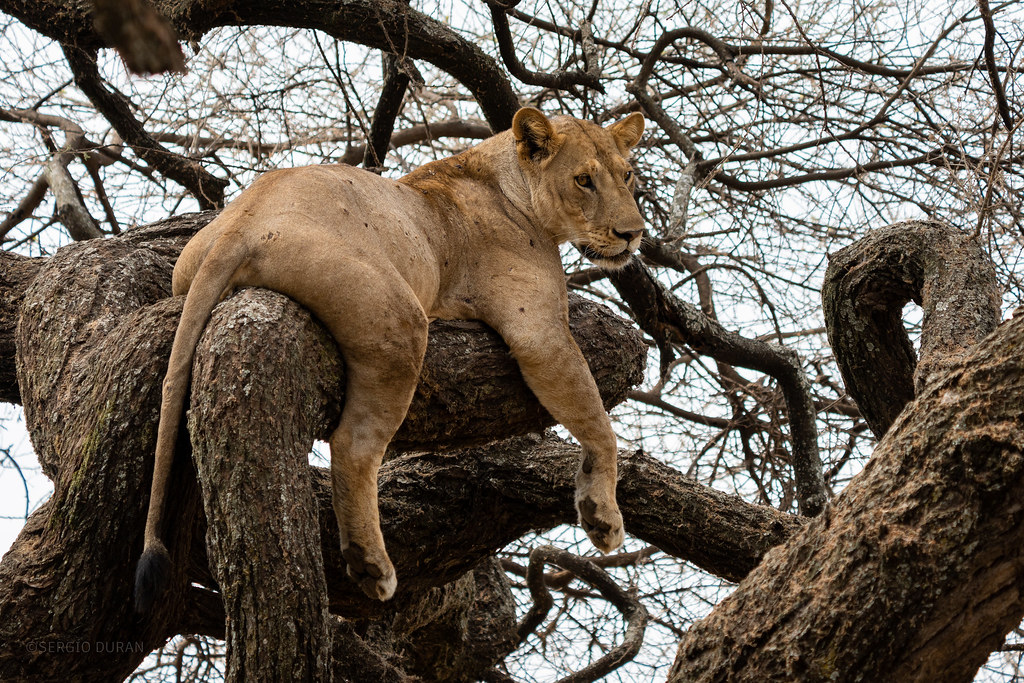
Explore Southern Tanzania in 7 days on an unforgettable wildlife safari through some of East Africa’s most spectacular and less-crowded national parks. This journey combines classic African game drives, boat safaris, beautiful landscapes, and opportunities to see elephants, lions, giraffes, buffaloes, hippos, crocodiles, and many other wild animals.
Unlike the busier northern safari circuit, Southern Tanzania wildlife safaris offer a more remote and adventurous experience, with expansive wilderness areas, diverse habitats, and fewer vehicles in many locations. The region is ideal for travelers looking for an authentic safari away from the busiest tourist routes.
This itinerary combines Nyerere National Park, famous for its Rufiji River and boat safaris, with Mikumi National Park, known for its open plains, and Ruaha National Park, celebrated for its large elephant populations and rugged wilderness. Depending on your travel dates, budget, and preferred pace, the route can be adjusted to include two parks or all three.
Safari Highlights
- Explore the wildlife-rich plains of Mikumi National Park.
- Enjoy a boat safari on the Rufiji River in Nyerere National Park.
- Search for elephants, lions, giraffes, zebras, buffaloes, and other wildlife.
- Discover the remote landscapes of Ruaha National Park.
- Experience guided game drives in some of Tanzania’s largest protected wilderness areas.
- Enjoy a less-crowded safari experience compared with many popular northern circuit routes.
- Travel through southern Tanzania’s scenic countryside and changing landscapes.
Day 1: Arrival in Dar es Salaam
Arrive at Julius Nyerere International Airport in Dar es Salaam, Tanzania’s largest city and an important gateway to the southern safari circuit. Meet your safari representative and transfer to your hotel for an overnight stay.
Depending on your arrival time, you may have an opportunity to explore parts of the city, relax at your hotel, or enjoy the Indian Ocean coastline. Your guide will brief you about the safari itinerary, travel arrangements, park regulations, and what to expect during your wildlife adventure.
Dar es Salaam is a convenient starting point for travelers planning a Southern Tanzania safari, especially those visiting Nyerere and Mikumi national parks.
Accommodation: Hotel in Dar es Salaam.
Meals: Depending on your arrival time and package.
Day 2: Dar es Salaam to Nyerere National Park
After breakfast, depart for Nyerere National Park, formerly part of the Selous Game Reserve. The journey takes you away from the busy city and into southern Tanzania’s countryside, passing rural settlements, agricultural landscapes, and stretches of natural vegetation.
On arrival, check in at your lodge or tented camp and prepare for your first safari activity, depending on your arrival time and the package booked.
Nyerere is one of Africa’s largest protected wildlife areas and is especially known for the Rufiji River system, which supports hippos, crocodiles, waterbirds, and other wildlife. The park also offers opportunities to encounter elephants, buffaloes, giraffes, lions, and other animals.
Spend the evening relaxing at your accommodation and enjoying the atmosphere of the African wilderness.
Accommodation: Lodge or tented camp near or within the designated safari area.
Meals: Lunch and dinner, depending on the package.
Day 3: Nyerere National Park Game Drive and Boat Safari
Spend a full day exploring Nyerere National Park, combining wildlife viewing on land with an unforgettable boat safari when available and permitted.
Begin with a game drive through the park’s varied habitats. Your guide will help you search for elephants, giraffes, zebras, buffaloes, impalas, waterbucks, and predators such as lions and wild dogs. Wildlife sightings vary according to season, location, and animal movements, making every safari different.
Later, enjoy a Rufiji River boat safari, one of the signature experiences in southern Tanzania. From the water, you may observe hippos resting in the river, crocodiles along the banks, and birds feeding around the shallows. The river scenery provides a different perspective from a traditional vehicle-based game drive.
Return to your lodge or camp for dinner and an overnight stay.
Accommodation: Lodge or tented camp.
Meals: Breakfast, lunch, and dinner, depending on the package.
Day 4: Nyerere National Park to Mikumi National Park
After breakfast, leave Nyerere and travel toward Mikumi National Park. This transfer takes you through the landscapes of southern Tanzania and may require a substantial part of the day, depending on your accommodation, road conditions, and transport arrangements.
Mikumi is known for its open grasslands, wooded hills, and broad plains that support a variety of wildlife. The Mkata Floodplain is one of the park’s notable wildlife-viewing areas and is often compared with the open savannah landscapes found elsewhere in East Africa.
Depending on your arrival time, you may enjoy an afternoon game drive. Look out for elephants, giraffes, zebras, buffaloes, wildebeests, and lions. Birdlife is also abundant, especially around water sources and open grassland.
After the safari activity, continue to your accommodation for dinner and overnight.
Accommodation: Lodge or tented camp near Mikumi National Park.
Meals: Breakfast, lunch, and dinner, depending on the package.
Day 5: Mikumi National Park Game Drive
Enjoy a full day exploring Mikumi National Park, one of the most accessible wildlife destinations in southern Tanzania.
Start early when wildlife may be more active, driving across open plains and through woodland habitats. With your guide, search for elephants moving through the bush, giraffes browsing on trees, zebras grazing in the grasslands, and buffaloes gathering in herds.
Mikumi also provides opportunities to see lions, wildebeests, impalas, warthogs, and a variety of bird species. Sightings cannot be guaranteed, but spending more time in the park increases your opportunities to observe different animals and behaviors.
You may enjoy a picnic lunch during the safari or return to your lodge for a break, depending on your chosen package and park arrangements.
In the late afternoon, return to your accommodation to relax and enjoy the peaceful atmosphere of the surrounding countryside.
Accommodation: Lodge or tented camp near Mikumi National Park.
Meals: Breakfast, lunch, and dinner, depending on the package.
Day 6: Mikumi National Park to Ruaha National Park
After breakfast, depart for Ruaha National Park, one of Tanzania’s most remarkable wilderness destinations. The drive is relatively long, so an early departure is recommended.
Ruaha is famous for its rugged scenery, baobab-studded landscapes, seasonal rivers, and large elephant populations. Its varied habitats support a wide range of wildlife, including lions, leopards, buffaloes, giraffes, and several antelope species.
Depending on the arrival time and your accommodation arrangements, you may have the opportunity to enjoy a short afternoon game drive. Alternatively, settle into your lodge or camp and prepare for the following day’s exploration.
Ruaha is especially appealing to travelers seeking a more remote safari experience and a chance to explore a large wilderness area away from some of Tanzania’s busiest safari routes.
Accommodation: Lodge or tented camp near or within the designated Ruaha safari area.
Meals: Breakfast, lunch, and dinner, depending on the package.
Day 7: Ruaha National Park Safari and Departure
Begin the day with an early game drive in Ruaha National Park, taking advantage of the cooler morning hours to look for wildlife along riverbeds, open plains, and woodland tracks.
Your guide will help you search for elephants, lions, giraffes, buffaloes, antelopes, and other animals. The park’s scenery, including its impressive baobab trees and seasonal waterways, provides a memorable setting for your final safari.
After the game drive, begin your onward journey according to your departure arrangements.
For travelers departing from Dar es Salaam, note that returning by road from Ruaha on the same day can be impractical, particularly with an international flight. A domestic flight or an additional overnight stop may be necessary. For a more relaxed itinerary, consider spending the final night in Iringa or arranging a suitable flight connection.
Accommodation: Not included unless an additional night is arranged.
Meals: Breakfast and other meals according to your package.
Best Time for a Southern Tanzania Wildlife Safari
Southern Tanzania can be visited throughout much of the year, but wildlife viewing conditions vary with the seasons.
Dry season: June to October
The dry season is generally a popular period for wildlife viewing. Vegetation becomes less dense in many areas, and animals may gather around remaining water sources. Road conditions are also often more favorable than during periods of heavy rainfall.
Green season: November to May
The green season brings fresh vegetation, beautiful landscapes, and excellent birdwatching opportunities. Some areas may become more challenging to access during heavy rains, and wildlife can be harder to spot in thicker vegetation.
The best travel period depends on the parks you plan to visit, your preferred activities, road conditions, and the type of accommodation you choose.
What Animals Can You See in Southern Tanzania?
Southern Tanzania supports a rich variety of wildlife, although sightings depend on the season, location, and time spent in each park.
- Elephants: Particularly notable in Ruaha and Nyerere.
- Lions: Present in the region’s major safari parks.
- Giraffes: Commonly seen in suitable woodland and savannah habitats.
- Buffaloes: Often found in herds across grasslands and woodland areas.
- Zebras and wildebeests: Visible in open habitats, especially in Mikumi.
- Hippos and crocodiles: Particularly associated with the Rufiji River and other waterways in Nyerere.
- African wild dogs: Present in parts of the southern ecosystem, though sightings are unpredictable.
- Birdlife: Includes waterbirds, raptors, and many savannah species.
A safari guide can help identify animals, explain their behavior, and select suitable routes based on current conditions.
What Is Included in a 7-Day Southern Tanzania Safari?
Inclusions depend on the safari operator and whether you choose a private guided safari, a fly-in package, or a self-drive arrangement. A typical guided safari package may include:
- Private safari vehicle and professional driver-guide.
- Accommodation for the nights specified in the itinerary.
- Meals as stated in the booking.
- Game drives in the selected national parks.
- Park entrance fees when explicitly included in the quotation.
- Boat safari in Nyerere when included and available.
- Transfers specified in the itinerary.
What Is Not Included?
Unless confirmed in your quotation, the following may be excluded:
- International flights and visa fees.
- Travel insurance.
- Personal expenses, drinks, and gratuities.
- Optional activities.
- Additional accommodation outside the package.
- Domestic flights, unless specifically included.
- Any park, concession, or activity fees not listed among the inclusions.
Always confirm the precise inclusions, accommodation locations, park fees, and transport arrangements before booking.
Guided Safari or Self-Drive Safari in Southern Tanzania?
Southern Tanzania offers different ways to explore its national parks.
A guided safari in Southern Tanzania is a convenient choice for travelers who prefer a professional driver-guide to manage navigation, wildlife viewing, park procedures, and the daily schedule. It is especially useful when visiting several parks over a limited period.
A self-drive safari in Tanzania gives independent travelers more flexibility over their route and pace. However, long distances, changing road conditions, park regulations, and remote locations require careful preparation. Travelers should confirm whether their chosen rental vehicle is permitted in each park and whether activities such as boat safaris require separate arrangements.
For a seven-day trip covering Nyerere, Mikumi, and Ruaha, the distances can make the itinerary demanding. If you prefer a slower pace, consider visiting Nyerere and Mikumi only, or spending more time in Ruaha rather than attempting to cover all three parks.
What to Pack for a Southern Tanzania Safari
Pack comfortable, practical clothing suitable for warm days and cooler early mornings.
Recommended items include:
- Lightweight, neutral-colored clothing.
- A warm layer for early morning game drives.
- Comfortable walking shoes.
- A hat, sunglasses, and sunscreen.
- Insect repellent.
- Binoculars and a camera with a zoom lens.
- Reusable water bottle.
- Personal medication and basic toiletries.
- Travel documents and travel insurance details.
- A small daypack for safari essentials.
For a self-drive trip, additional equipment may include offline maps, charging cables, a power bank, and any vehicle recovery or camping equipment agreed with your rental provider.
Book Your 7-Day Southern Tanzania Wildlife Safari
Discover the quieter side of Tanzania on a safari through Nyerere, Mikumi, and Ruaha national parks. From a boat safari along the Rufiji River to classic game drives across open plains and remote wilderness, Southern Tanzania offers a memorable combination of wildlife, scenery, and adventure.
Whether you prefer a private guided safari or an independent road trip, your itinerary can be tailored to your travel dates, budget, accommodation preferences, and wildlife interests.
Contact our safari team today to plan your 7-day Southern Tanzania wildlife safari and receive a personalized itinerary and quotation.
Frequently Asked Questions
1. Is seven days enough for a Southern Tanzania safari?
Seven days can provide a rewarding introduction to Southern Tanzania, but visiting Nyerere, Mikumi, and Ruaha involves considerable travel time. A two-park itinerary may offer more time for game drives and a more relaxed pace.
2. Which parks are best for a Southern Tanzania safari?
Nyerere is well known for its river ecosystem and boat safaris, Mikumi for accessible savannah wildlife viewing, and Ruaha for its remote landscapes and large elephant populations. The best choice depends on your interests, budget, and travel dates.
3. Can I see the Big Five in Southern Tanzania?
Southern Tanzania has populations of several Big Five species, including elephants, lions, leopards, and buffaloes. Rhinos are much more difficult to encounter, and sightings of all five species are never guaranteed on a short safari.
4. Can I do a self-drive safari in Southern Tanzania?
Yes, independent safaris may be possible with a suitable vehicle and careful planning. Check road conditions, fuel availability, park rules, vehicle requirements, and accommodation locations in advance. Some activities, including boat safaris, need separate arrangements.
5. What is the best time to visit Nyerere, Mikumi, and Ruaha?
June to October is generally a popular period for wildlife viewing because vegetation is often thinner and animals may concentrate around water. The green season can also be rewarding, particularly for scenery and birdwatching, but rain may affect road conditions.
6. How much does a seven-day Southern Tanzania safari cost?
The price varies according to the number of travelers, accommodation category, vehicle, park fees, meals, domestic flights, and included activities. Request an itemized quotation to compare packages accurately.
7. Can I start and finish the safari in Dar es Salaam?
Yes. Dar es Salaam is a common starting point for Southern Tanzania safaris. However, the distances between parks are substantial, so a route covering all three parks may require a domestic flight, additional overnight stops, or adjustments to the itinerary.
8. Is a boat safari available in Nyerere National Park?
Boat safaris are a well-known activity on the Rufiji River in Nyerere National Park. Availability depends on the season, water levels, local conditions, and your accommodation or tour arrangements. Confirm the activity when booking.