Tanzania and Zanzibar – More Than Just Game Drives: A Journey Through Culture, History, and Authentic Experiences
Introduction: Discovering the Other Side of Tanzania
When people dream about Tanzania, they often imagine endless plains dotted with acacia trees, lions resting in the shade, elephants marching across the savannah, and millions of wildebeest crossing crocodile-filled rivers. These iconic safari images have made Tanzania one of the world’s most celebrated wildlife destinations.
Yet Tanzania offers much more than extraordinary game drives.
Beyond the national parks lies a fascinating world of ancient cultures, historical landmarks, tropical islands, traditional villages, archaeological treasures, and warm communities that welcome visitors into their daily lives. Tanzania is not only a destination where travelers observe wildlife—it is a place where they connect with people, discover history, and experience traditions that have survived for centuries.
From the bustling spice markets of Zanzibar to the slopes of Mount Kilimanjaro, from Maasai homesteads in northern Tanzania to Swahili coastal settlements rich in history, the country presents a unique blend of African, Arab, European, and Asian influences.
For travelers seeking a deeper understanding of East Africa, Tanzania and Zanzibar offer an unforgettable cultural and historical journey that perfectly complements the country’s world-famous safaris.
The Cultural Diversity of Tanzania
One of Tanzania’s greatest treasures is its people.
The country is home to more than 120 ethnic groups, each with its own language, traditions, music, and customs. Despite this incredible diversity, Tanzania remains one of Africa’s most peaceful and united nations.
As you travel across the country, you’ll encounter communities whose lifestyles have been shaped by centuries of adaptation to different environments. In the north, pastoralist Maasai continue to herd cattle across vast landscapes. Around Mount Kilimanjaro, the Chagga people cultivate fertile farmland and coffee plantations. Along the coast, Swahili culture flourishes through centuries-old traditions influenced by trade across the Indian Ocean.
These diverse communities provide visitors with opportunities to learn about traditional ways of life while gaining a deeper appreciation for Tanzania’s rich cultural heritage.
Meeting the Maasai People
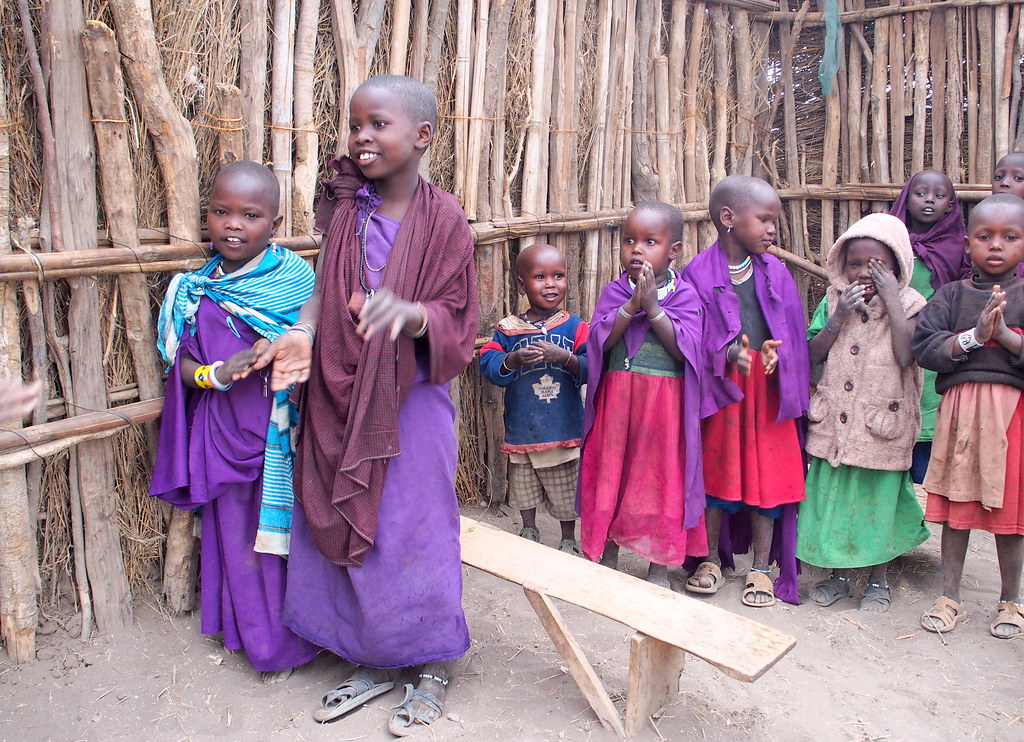
For many visitors, meeting the Maasai is one of the most memorable cultural experiences in Tanzania.
Recognizable by their bright red shukas, intricate beadwork, and proud traditions, the Maasai have become one of Africa’s most iconic indigenous communities.
A visit to a Maasai village offers an opportunity to learn about their semi-nomadic lifestyle, cattle-centered economy, traditional ceremonies, and unique social structures. Guests are often welcomed with traditional songs and dances that have been passed down through generations.
Visitors can tour traditional bomas (homesteads), discover how houses are constructed using natural materials, and hear stories about Maasai customs and beliefs.
While modern influences continue to reach Maasai communities, many traditions remain remarkably intact, offering travelers an authentic glimpse into a culture that has endured for centuries.
The Chagga People and the Slopes of Kilimanjaro
The fertile foothills of Mount Kilimanjaro tell a very different cultural story.
Here, the Chagga people have built thriving agricultural communities supported by fertile volcanic soils and abundant rainfall. Their sophisticated farming systems have sustained generations and continue to produce some of Tanzania’s finest coffee.
Visitors can explore traditional Chagga villages, visit underground caves that were once used as shelters during tribal conflicts, and learn about local farming practices.
Coffee tours have become especially popular. Travelers can participate in every stage of coffee production—from harvesting beans to roasting and brewing a fresh cup while listening to local songs and stories.
These experiences provide insight into daily life while supporting local communities through sustainable tourism.
Mto wa Mbu: A Cultural Melting Pot
Few places showcase Tanzania’s cultural diversity as effectively as Mto wa Mbu.
Located near the northern safari circuit, this vibrant town is home to more than 120 ethnic groups living side by side.
Walking through Mto wa Mbu feels like traveling across Tanzania in a single afternoon. Visitors can explore local farms, sample traditional foods, observe artisans at work, and meet residents from different cultural backgrounds.
Guided cultural tours often include banana plantations, local markets, rice farms, and workshops where traditional crafts are produced.
These interactions provide a refreshing contrast to wildlife viewing and allow travelers to experience the human side of Tanzania.
Olduvai Gorge: The Cradle of Humankind
Tanzania is not only rich in culture—it also holds some of humanity’s oldest stories.
Olduvai Gorge, located between the Serengeti and Ngorongoro, is one of the most important archaeological sites in the world.
It was here that renowned archaeologists Louis and Mary Leakey made groundbreaking discoveries that transformed our understanding of human evolution.
Ancient fossils and stone tools uncovered at Olduvai Gorge revealed evidence of early human ancestors dating back millions of years.
Today, visitors can explore informative museums, view excavation sites, and learn how these discoveries helped establish East Africa as one of the birthplaces of humankind.
Standing at Olduvai Gorge offers a humbling perspective on humanity’s long and remarkable journey.
Ngorongoro Conservation Area: Where Wildlife and Culture Coexist
Unlike many protected areas around the world, the Ngorongoro Conservation Area was established to protect both wildlife and human communities.
Here, Maasai pastoralists continue to live and graze their livestock alongside wild animals.
This unique coexistence creates a fascinating landscape where cultural traditions and conservation efforts intersect.
Visitors exploring the famous Ngorongoro Crater often encounter Maasai herders moving cattle across the highlands, creating scenes that have remained largely unchanged for generations.
The conservation area’s cultural programs offer valuable opportunities to understand how indigenous knowledge contributes to environmental stewardship.

Zanzibar: The Jewel of the Indian Ocean
After exploring mainland Tanzania, many travelers continue their journey to Zanzibar.
The archipelago offers far more than pristine beaches and turquoise waters.
Zanzibar’s strategic location along Indian Ocean trade routes made it one of East Africa’s most important cultural crossroads. Over centuries, African, Arab, Persian, Indian, and European influences blended to create a unique identity that remains visible today.
Every street, building, and marketplace tells part of this remarkable story.
Exploring the Historic Stone Town
At the heart of Zanzibar lies Stone Town, a UNESCO World Heritage Site and one of Africa’s most fascinating historical settlements.
Walking through Stone Town feels like stepping into a living museum.
Narrow alleyways wind between coral stone buildings adorned with intricately carved wooden doors. Hidden courtyards, bustling markets, mosques, churches, and historic residences reveal layers of cultural influence accumulated over centuries.
Visitors can explore former sultan palaces, old trading houses, and waterfront promenades that once welcomed merchants from across the Indian Ocean.
Every corner of Stone Town tells stories of exploration, commerce, migration, and cultural exchange.
The Legacy of the Spice Trade
Zanzibar is often called the “Spice Island,” and for good reason.
For centuries, cloves, nutmeg, cinnamon, vanilla, and black pepper played a central role in the island’s economy.
Today, spice tours remain one of Zanzibar’s most popular cultural experiences.
Visitors walk through lush plantations while learning about the cultivation and uses of various spices. Along the way, guides demonstrate how spices are grown, harvested, and incorporated into local cuisine and traditional medicine.
The experience engages all the senses and offers a deeper understanding of Zanzibar’s historical importance in global trade networks.
The Swahili Culture of the Coast
The Swahili culture found along Tanzania’s coastline represents one of East Africa’s most influential cultural traditions.
Developed through centuries of interaction between African communities and traders from Arabia, Persia, and India, Swahili culture has shaped language, architecture, cuisine, and social customs across the region.
Visitors can experience Swahili hospitality through traditional meals, music performances, and cultural festivals.
Dishes featuring coconut, seafood, rice, and aromatic spices reflect centuries of culinary evolution influenced by international trade and cultural exchange.
The Swahili language itself serves as a symbol of unity throughout Tanzania and much of East Africa.
Traditional Music and Dance
Music plays a vital role in Tanzanian life.
Throughout the country, visitors can experience traditional performances that celebrate community identity, storytelling, and cultural heritage.
Different ethnic groups have their own distinctive musical styles, instruments, and dances.
In Zanzibar, Taarab music combines African rhythms with Arab and Indian influences. Inland communities often perform energetic dances accompanied by drums, singing, and traditional instruments.
Attending a local performance provides insight into how music continues to connect generations and preserve cultural traditions.
Local Markets and Everyday Life
Some of the most authentic travel experiences occur far from major tourist attractions.
Local markets provide a window into everyday Tanzanian life.
Colorful displays of fruits, vegetables, spices, fabrics, and handmade crafts create lively scenes filled with activity and conversation.
Markets serve as social centers where communities gather, exchange news, and conduct business.
Exploring these spaces allows travelers to interact with local residents, sample regional foods, and gain a better understanding of daily life throughout Tanzania.
Cultural Tourism and Community-Based Travel
Across Tanzania, community-based tourism initiatives are creating meaningful connections between visitors and local residents.
These programs allow travelers to participate in activities such as farming, cooking, craft-making, and traditional ceremonies while directly supporting local livelihoods.
Unlike conventional tourism experiences, community-based tourism encourages cultural exchange and mutual learning.
Visitors leave with a deeper appreciation for local traditions, while communities benefit economically from preserving their cultural heritage.
Combining Safari with Culture
One of the greatest advantages of traveling in Tanzania is the ability to combine world-class wildlife experiences with rich cultural exploration.
A single itinerary might include:
- Witnessing the Great Migration in the Serengeti
- Visiting Maasai villages near Ngorongoro
- Exploring Olduvai Gorge
- Touring coffee farms near Kilimanjaro
- Discovering cultural tourism projects in Mto wa Mbu
- Wandering through Stone Town
- Visiting spice plantations in Zanzibar
- Relaxing on tropical beaches
This combination creates a far more comprehensive understanding of Tanzania than wildlife viewing alone.
Why Cultural Experiences Matter
Wildlife encounters are undoubtedly spectacular, but cultural experiences add depth and meaning to travel.
Meeting local communities transforms a destination from a place on a map into a collection of human stories.
Travelers gain insight into different ways of life, learn about traditions passed down through generations, and develop a stronger connection to the places they visit.
These experiences often become the most memorable moments of a journey.
Years later, visitors may remember not only the lions they saw on safari but also the conversations shared with Maasai elders, coffee farmers, market vendors, and local guides.
Conclusion: A Complete Tanzanian Experience
Tanzania and Zanzibar offer one of Africa’s most diverse travel experiences.
Yes, the country is home to some of the world’s greatest wildlife spectacles. The Serengeti, Ngorongoro Crater, Tarangire, Ruaha, and Nyerere National Park continue to attract nature lovers from every corner of the globe.
But Tanzania’s true magic extends far beyond game drives.
Its rich cultural heritage, welcoming communities, fascinating history, ancient archaeological sites, vibrant traditions, and coastal influences create a destination that engages travelers on a much deeper level.
Whether you’re walking through the historic streets of Stone Town, sharing stories with Maasai villagers, learning about humanity’s origins at Olduvai Gorge, exploring coffee farms beneath Kilimanjaro, or experiencing the warmth of Swahili hospitality along the coast, you’ll discover a side of Tanzania that many visitors overlook.
The most rewarding journeys are those that connect people, places, and stories. Tanzania and Zanzibar offer exactly that—a destination where wildlife, culture, and history come together to create memories that last a lifetime.