
4 Weeks in East Africa Starting in Dar es Salaam: The Ultimate 28-Day Safari & Self-Drive Itinerary
Explore Tanzania, Kenya, Uganda and Rwanda on an Unforgettable East African Adventure
Introduction: Start Your Four-Week East Africa Adventure in Dar es Salaam
Planning 4 weeks in East Africa starting in Dar es Salaam is an exciting way to discover the region’s incredible wildlife, diverse cultures, scenic landscapes and tropical coastline. As Tanzania’s largest city and a major gateway to the Indian Ocean, Dar es Salaam is an excellent starting point for a road trip that combines unforgettable safari experiences with adventures across neighbouring East African countries.
From Dar es Salaam, you can explore Tanzania’s southern wilderness, travel north to the famous Serengeti and Ngorongoro Crater, experience Kenya’s Maasai Mara, track chimpanzees and mountain gorillas in Uganda, and discover Rwanda’s volcanic landscapes. You can also finish your holiday with a relaxing beach escape in Zanzibar.
For independent travellers, self-drive car rental in Dar es Salaam offers flexibility when exploring mainland Tanzania. A suitable 4×4 can be useful for selected national park routes, remote accommodation and camping adventures. For longer journeys across East Africa, a combination of rental vehicles, domestic flights, transfers and guided excursions can make the trip more practical.
This 28-day itinerary provides a starting point for planning a four-week adventure from Dar es Salaam, whether you prefer independent travel, a guided safari or a combination of both.
28-Day East Africa Itinerary Starting in Dar es Salaam
| Days | Destination | Main experiences |
|---|---|---|
| 1–2 | Dar es Salaam | Arrival, city sightseeing and trip preparation |
| 3–4 | Mikumi National Park | Wildlife safari and open savannah |
| 5–6 | Ruaha National Park | Elephants, predators and remote wilderness |
| 7–8 | Iringa and onward travel | Highlands, local culture and rest |
| 9–11 | Serengeti National Park | Wildlife viewing and the Great Migration |
| 12 | Ngorongoro Crater | Crater game drive |
| 13–14 | Tarangire and Arusha | Elephants, baobabs and safari preparation |
| 15–17 | Maasai Mara, Kenya | Big Five wildlife and seasonal migration |
| 18 | Nairobi | City attractions and onward connections |
| 19–20 | Queen Elizabeth National Park, Uganda | Wildlife and Kazinga Channel |
| 21–22 | Kibale Forest | Chimpanzee tracking |
| 23–25 | Bwindi Impenetrable National Park | Mountain gorilla trekking |
| 26 | Volcanoes National Park, Rwanda | Volcano scenery and optional activities |
| 27 | Kigali or Lake Kivu | Culture or lakeside relaxation |
| 28 | Departure | International flight or onward connection |
This is an ambitious itinerary, especially because southern Tanzania and northern Tanzania are far apart. Allow for substantial road travel, and consider domestic flights or other transport between regions. The schedule may need to be adjusted for border arrangements, gorilla permits, accommodation availability and departure flights.
Days 1–2: Discover Dar es Salaam
Begin your journey in Dar es Salaam, a lively coastal city combining modern urban life, Swahili culture, seafood restaurants and access to the Indian Ocean.
Spend your first day settling into your accommodation and exploring the city. Depending on your interests, visit local markets, enjoy a meal of freshly prepared seafood, discover cultural attractions or take time to relax along the coast.
Dar es Salaam is also a practical place to arrange self-drive car rental in Dar es Salaam before beginning your road trip. Choose a vehicle based on the number of travellers, luggage, planned destinations and whether you intend to camp.
Before collecting your vehicle, confirm the rental price, insurance, mileage policy, roadside assistance, deposit requirements and permitted driving areas. If you plan to enter national parks or cross international borders, check the relevant vehicle and rental conditions in advance.
Travellers arriving at Julius Nyerere International Airport can arrange suitable pickup options according to their rental provider’s terms.
Days 3–4: Mikumi National Park – Your First Safari
Travel from Dar es Salaam towards Mikumi National Park, one of the more accessible wildlife destinations in southern Tanzania.
Mikumi’s open plains provide opportunities to see elephants, giraffes, zebras, buffaloes, antelopes and, with luck, lions. The landscape offers an introduction to Tanzania’s wildlife before you continue deeper into the southern safari circuit.
Spend time enjoying game drives and staying in accommodation that suits your budget. Travellers using a rental vehicle should check park access rules, road conditions and accommodation locations before setting out.
Mikumi is particularly attractive for visitors who want to combine a road trip with wildlife viewing without immediately travelling to the far north of Tanzania.
For a flexible safari, consider 4×4 car hire in Dar es Salaam and confirm that your chosen vehicle is suitable for the routes you intend to use.
Days 5–6: Ruaha National Park – Explore Southern Tanzania’s Wilderness
Continue towards Ruaha National Park, one of Tanzania’s major wilderness destinations.
Ruaha is known for its rugged landscapes, baobab trees, elephants and varied wildlife. The Great Ruaha River and surrounding habitats support a diverse ecosystem, with wildlife viewing depending on the season, water availability and location.
Spend time exploring the park with appropriate game drives and planned overnight stops. Ruaha is more remote than Mikumi, so allow sufficient travel time and prepare carefully before entering the park.
A suitable 4×4 may be important for selected routes, particularly when conditions are challenging. Check fuel availability, park requirements, accommodation and your vehicle’s capabilities before departure.
This southern Tanzania section offers a different atmosphere from the busier northern safari circuit and is ideal for travellers who enjoy remote landscapes and quieter wilderness experiences.
Days 7–8: Iringa and the Journey North
After exploring Ruaha, travel towards Iringa for a break before continuing north.
Iringa is a highland town with cooler weather, scenic surroundings and local cultural attractions. It provides a useful place to rest, review your travel arrangements and prepare for the longer journey towards Tanzania’s northern safari destinations.
Because the distance between southern and northern Tanzania is substantial, consider whether a domestic flight or other transport option would better suit your schedule. Attempting to drive long distances and reach a safari destination on the same day can leave little time for rest or wildlife viewing.
If your priority is the Serengeti, Ngorongoro and Kenya, you may prefer to skip Ruaha and allocate more time to the northern circuit.
Days 9–11: Serengeti National Park – Wildlife and the Great Migration
Continue to Serengeti National Park, one of Africa’s most celebrated safari destinations.
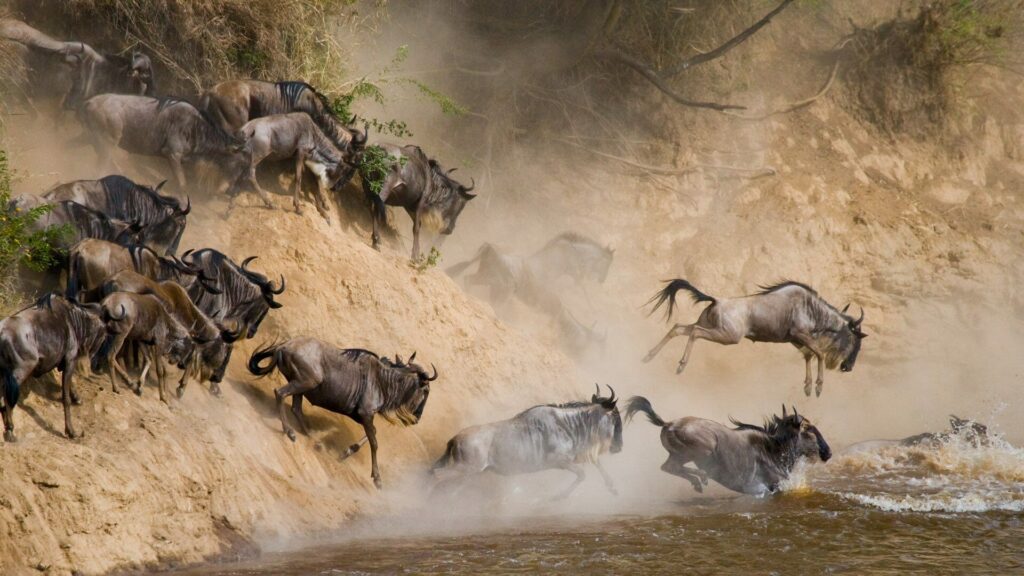
The Serengeti is famous for its extensive grasslands, large predator populations and the seasonal movement of wildebeest and zebras. Depending on the season and location, visitors may see lions, leopards, cheetahs, elephants, giraffes and many other animals.
Spend two or three days exploring suitable wildlife-viewing areas. The best location depends on rainfall, road conditions and the movement of the migration herds. River crossings and specific wildlife sightings are never guaranteed.
A capable 4×4 is recommended for many safari routes, especially when weather and road conditions are challenging. Self-drive travellers should follow park regulations, maintain safe distances from animals and use authorised accommodation or designated campsites.
For visitors planning a Tanzania self-drive safari, the Serengeti can be a highlight of the entire journey when vehicle choice, route and accommodation are planned carefully.
Day 12: Ngorongoro Crater – A Remarkable Wildlife Landscape
Travel to the Ngorongoro Conservation Area for a visit to one of Tanzania’s most extraordinary natural landmarks.
The Ngorongoro Crater is a vast volcanic caldera supporting a rich concentration of wildlife. A crater game drive may offer opportunities to see lions, elephants, buffaloes, hyenas and, with luck, the endangered black rhino.
Plan enough time for access procedures, the crater descent and ascent, and onward travel. Confirm current conservation fees, crater charges and other applicable costs before finalising your safari budget.
The crater is a major highlight for travellers who want to experience Tanzania’s diverse wildlife within a spectacular landscape.
Days 13–14: Tarangire National Park and Arusha
Continue to Tarangire National Park, known for its elephant herds, baobab trees and seasonal wetlands.
The Tarangire River attracts wildlife, particularly during drier periods. Game drives may reveal elephants, giraffes, zebras, antelopes and a wide variety of birds.
After visiting Tarangire, travel towards Arusha to rest and prepare for the next stage of your journey into Kenya.
Arusha is a convenient northern Tanzania base for arranging onward travel, checking documents and confirming transport connections. If you plan to take a rental vehicle across a border, obtain written permission and confirm insurance and vehicle documentation before travelling.
Days 15–17: Kenya’s Maasai Mara National Reserve
Continue to Kenya for a safari in the world-famous Maasai Mara National Reserve.
The Mara’s grasslands support lions, leopards, cheetahs, elephants, buffaloes and many other species. Several days allow time for wildlife observation, photography and guided game drives.
During the seasonal Great Migration, large herds of wildebeest and zebras move through the Mara–Serengeti ecosystem. Timing depends on rainfall and grazing conditions, so choose travel dates carefully without expecting guaranteed sightings of river crossings.
Self-drive visitors should check current reserve access arrangements, accommodation locations, road conditions and vehicle requirements. Some travellers prefer to use a rental vehicle for travel between destinations and book guided game drives inside the reserve.
The Maasai Mara complements the Serengeti and allows you to experience another part of East Africa’s remarkable wildlife ecosystem.
Day 18: Nairobi – Kenya’s Regional Travel Hub
Travel to Nairobi, Kenya’s capital, for a break and onward travel arrangements.
Depending on your schedule, explore local attractions, enjoy Kenyan cuisine or visit selected cultural and wildlife sites. Nairobi is also a practical place to arrange transport towards Uganda.
For a four-country itinerary, consider a flight or suitable transfer for the next stage rather than attempting to drive every kilometre. This can preserve valuable time for wildlife activities and gorilla trekking.
Days 19–20: Queen Elizabeth National Park, Uganda
Continue into Uganda and travel to Queen Elizabeth National Park, a diverse wildlife destination featuring savannah, wetlands, crater lakes and forest habitats.
Game drives offer opportunities to look for elephants, buffaloes, lions and antelopes. A boat excursion along the Kazinga Channel can provide memorable views of hippos, crocodiles and numerous bird species.
The Ishasha sector is known for its tree-climbing lions, although sightings are not guaranteed.
Allow sufficient time for travel between park sectors and accommodation, and arrange activities through appropriate providers.
Days 21–22: Kibale Forest National Park – Chimpanzee Tracking
Visit Kibale Forest National Park for chimpanzee tracking with authorised guides.
Kibale is famous for its primate diversity and offers a different experience from traditional savannah game drives. Walking through tropical forest in search of chimpanzees can be a memorable experience for nature lovers and wildlife photographers.
Reserve your tracking activity ahead of time and follow the instructions of park staff throughout the excursion.
Days 23–25: Bwindi Impenetrable National Park – Mountain Gorilla Trekking
Continue to Bwindi Impenetrable National Park, one of the world’s most important habitats for endangered mountain gorillas.
Gorilla trekking involves hiking through dense forest with authorised guides and trackers to visit a habituated gorilla family. Trails may be steep, wet and muddy, so suitable footwear, rain protection and a reasonable level of fitness are important.
Book your gorilla permits before confirming non-refundable accommodation and transport arrangements.
Uganda is an excellent option for travellers who want to include mountain gorillas in a four-week East African holiday. Rwanda also offers gorilla trekking, but visiting both countries for this activity adds cost and travel time.
Day 26: Rwanda’s Volcanoes National Park
Cross into Rwanda and travel towards Volcanoes National Park in the Virunga Mountains.
The park is known for mountain gorillas, montane forest and spectacular volcanic scenery. If you have not already completed a gorilla trek, you may arrange one here, subject to permit availability. Otherwise, consider suitable cultural activities and mountain experiences in the surrounding region.
Musanze is a convenient base for visiting the park. Confirm current permit requirements and activity availability with authorised providers.
Day 27: Kigali or Lake Kivu
Spend your final full day in Kigali or around Lake Kivu, depending on your interests and departure arrangements.
In Kigali, explore cultural attractions, visit local markets and learn about Rwanda’s history at the Kigali Genocide Memorial.
Alternatively, Lake Kivu offers lakeside scenery, boat excursions and a relaxed atmosphere. Rubavu, also known as Gisenyi, is a popular base for enjoying the lake.
Choose the option that best fits your departure schedule and available travel time.
Day 28: Departure from East Africa
Depart from Kigali or arrange onward travel from another suitable regional airport.
If your international flight leaves early, consider staying near the airport the previous night. Confirm your transport arrangements and any rental vehicle return requirements well in advance.
Travellers who need to return a rental car to Dar es Salaam should confirm whether a one-way return is available and account for the time and cost required to return to Tanzania.
An Alternative: Spend More Time Exploring Tanzania from Dar es Salaam
A four-country itinerary offers variety, but it involves substantial travel and several international border arrangements. If you prefer a more relaxed holiday, consider focusing on Tanzania and spending more time exploring its southern parks and coast.
A Tanzania-focused four-week route could include:
- Dar es Salaam and the nearby coast.
- Mikumi National Park.
- Ruaha National Park.
- Nyerere National Park, subject to your route and transport arrangements.
- The Usambara Mountains or other highland destinations.
- A northern Tanzania safari in the Serengeti and Ngorongoro.
- Zanzibar for a beach holiday.
This alternative may be better for travellers who want to explore Tanzania in depth rather than spending significant time travelling between countries.
For visitors starting in Dar es Salaam, self-drive car rental in Dar es Salaam can help provide flexibility for mainland travel. Choose your vehicle according to the intended route and confirm which parks and roads it is suitable for.
Self-Drive Across East Africa: Important Car Rental Considerations
A multi-country road trip can be rewarding, but driving a rental car from Tanzania into Kenya, Uganda and Rwanda requires careful preparation.
A 4×4 car rental in Dar es Salaam may be suitable for many mainland Tanzania road trips. However, a rental agreement in Tanzania does not automatically permit international travel.
Before booking, confirm:
- Written permission for cross-border travel.
- Valid insurance and third-party cover in each country.
- Vehicle registration and authorisation documents.
- Driving licence and international driving permit requirements.
- Border procedures and applicable vehicle charges.
- National park road conditions and vehicle suitability.
- One-way rental restrictions and return arrangements.
In many cases, using separate local rental vehicles, flights and guided excursions is more convenient than driving the entire route in one vehicle.
Choosing the Right Rental Vehicle
Your vehicle choice depends on the number of travellers, luggage, road conditions, itinerary and camping plans.
Toyota RAV4 or similar: Suitable for many regular road trips and selected accessible destinations, depending on road and weather conditions.
Toyota Land Cruiser Prado: A versatile option for longer journeys and selected safari routes.
Land Cruiser 70 Series or similar: Worth considering for rugged travel and more demanding camping itineraries.
4×4 with rooftop tent: Useful for travellers planning a camping-focused safari with suitable equipment and authorised overnight stops.
Before confirming a booking, make sure the vehicle is suitable for your intended route and that the rental terms permit your planned activities.
How Much Does a Four-Week East Africa Safari Cost?
The total cost depends on accommodation, vehicle rental, fuel, flights, park fees, gorilla permits, guided activities and the number of travellers sharing expenses.
| Travel style | Indicative budget per person |
|---|---|
| Budget travel with shared transport and basic accommodation | US$3,000–5,000 |
| Mid-range accommodation and selected private transport | US$5,000–9,000 |
| Premium lodges and private safari arrangements | US$10,000–18,000+ |
These are broad planning estimates, not live quotations. International flights, park fees, gorilla permits, rental vehicles, fuel, cross-border charges and optional activities can significantly affect the final cost.
Travellers arranging a self-drive holiday should request a detailed rental quotation that specifies the rental period, insurance, mileage policy, camping equipment and any cross-border or one-way fees. Confirm whether park charges, accommodation and guided activities are included.
Best Time to Start an East Africa Trip from Dar es Salaam
East Africa can be visited throughout the year, but the best travel period depends on your priorities.
Drier periods are often popular for wildlife viewing because some roads may be easier to navigate and animals may gather near available water. Rainy periods can bring greener landscapes, but can also make driving more challenging.
The Great Migration follows seasonal rainfall and grazing conditions across the Serengeti and Maasai Mara. If migration viewing is important, plan your dates around the likely seasonal movement while remaining flexible about exact wildlife locations.
Gorilla trekking is available throughout the year, subject to permit availability and park conditions. Book permits, accommodation and suitable rental vehicles early for your preferred dates.
Frequently Asked Questions
Can I start a four-week East Africa safari in Dar es Salaam?
Yes. Dar es Salaam is a useful starting point for exploring Tanzania’s southern parks and coastline. You can then travel north towards the Serengeti and Ngorongoro before arranging onward travel to Kenya, Uganda and Rwanda.
Is Dar es Salaam a good starting point for a self-drive safari?
Yes. Dar es Salaam offers access to mainland road trips and southern Tanzania destinations such as Mikumi. For the northern safari circuit, allow enough time for the journey or consider a domestic flight to reduce travel time.
Can I drive from Dar es Salaam to the Serengeti?
Yes, a road journey can be planned, but it involves substantial distance and careful route planning. Allow enough time for overnight stops and consider the condition of the roads, your vehicle’s suitability and park access requirements.
Can I drive a rental car from Tanzania into Kenya, Uganda and Rwanda?
Some rental companies allow cross-border travel, while others restrict it. You need written permission, appropriate insurance and the required vehicle documents. Confirm all conditions before booking and consider separate vehicles or flights where practical.
What type of car is best for a self-drive safari from Dar es Salaam?
The best vehicle depends on your route. A suitable 4×4 is recommended for many safari routes, particularly where roads are rough or weather conditions are challenging. For ordinary paved-road travel, a smaller vehicle may be adequate for selected routes.
Can I combine a Tanzania safari with Zanzibar?
Yes. You can combine wildlife viewing on mainland Tanzania with Zanzibar’s beaches, historic Stone Town and Swahili culture. Flights and ferry services connect Zanzibar with the mainland; check schedules and transfer arrangements for your dates.
Can I see the Great Migration and mountain gorillas in four weeks?
Yes, with careful planning. You can combine the Serengeti or Maasai Mara with gorilla trekking in Uganda or Rwanda. Allow enough time for travel, permit arrangements and rest, and remember that the migration moves seasonally.
How much does a four-week East Africa safari cost?
A preliminary budget may range from US$3,000–5,000 per person for a basic trip to US$10,000 or more for premium arrangements. Actual costs depend on transport, accommodation, park fees, permits and activities.
Book Your East Africa Adventure with Self Drive Dar es Salaam
Discover East Africa on a tailor-made four-week journey starting in Dar es Salaam. Explore southern Tanzania’s wilderness, visit the Serengeti and Ngorongoro, experience Kenya’s Maasai Mara, track chimpanzees in Uganda and encounter mountain gorillas in Uganda or Rwanda.
Whether you prefer a guided safari, a self-drive road trip or a combination of rental vehicles and flights, careful planning can help you make the most of your time in East Africa.
We can help you explore suitable rental vehicles, 4×4 options, rooftop tent camping equipment and route ideas according to your travel dates, group size and budget.
Planning a self-drive safari from Dar es Salaam? Contact us to enquire about car rental, 4×4 vehicles, camping equipment and a personalised East Africa itinerary.
Start planning your four-week East African adventure from Dar es Salaam today.