
Gorilla Photographic Safari and Southern Tanzania Self-Drive Wildlife Adventure
Introduction to Southern Tanzania Photographic Self-Drive Safaris
A gorilla photographic safari combined with a Southern Tanzania self-drive wildlife adventure offers an exciting opportunity to explore some of East Africa’s most rewarding wilderness destinations. From the vast landscapes of Ruaha National Park to the rivers and woodlands of Nyerere National Park, Southern Tanzania provides excellent opportunities for wildlife photography, scenic road trips and independent safari travel.
Southern Tanzania is particularly appealing to travelers seeking a more remote safari experience away from some of the busier northern circuit routes. Its expansive national parks, baobab landscapes, diverse wildlife and varied habitats create an inspiring setting for photographers, nature lovers and adventurous self-drive travelers.
However, Tanzania does not have wild mountain gorilla trekking destinations. Travelers who want to photograph mountain gorillas must add a separate trip to Uganda’s Bwindi Impenetrable National Park or Mgahinga Gorilla National Park, or Rwanda’s Volcanoes National Park. Gorilla photography takes place during authorised, ranger-guided treks rather than independent forest exploration.
With a suitable 4×4 rental vehicle, visitors can explore Southern Tanzania at their own pace, choose accommodation that matches their budget and spend more time photographing wildlife and landscapes.
Whether you want to photograph elephants in Ruaha, hippos along the Rufiji River, birds in Udzungwa or the wildlife-rich plains of Mikumi, a Southern Tanzania photographic self-drive safari offers a memorable African adventure.
Why Choose Southern Tanzania for a Photographic Self-Drive Safari?
Explore Remote and Diverse Wildlife Landscapes
Southern Tanzania offers a different safari atmosphere from the more frequently visited northern circuit. Ruaha’s baobab-studded terrain, Nyerere’s river systems and Mikumi’s open grasslands provide photographers with varied environments and wildlife encounters.
A self-drive itinerary allows you to select your preferred destinations and decide how much time to spend in each park.
Photograph Elephants, Lions and Other Wildlife
Southern Tanzania supports a wide range of wildlife, including elephants, lions, buffaloes, giraffes, zebras, antelopes, hippos and crocodiles. Leopard and African wild dog sightings may also be possible in suitable areas, although sightings are never guaranteed.
Spending several days in one park can give photographers more opportunities to observe animal behaviour, work with changing light and capture a wider range of images.
Enjoy Excellent Bird Photography
The region’s rivers, woodland, wetlands and grasslands support diverse birdlife. Birdwatchers and photographers can look for kingfishers, fish eagles, hornbills, bee-eaters, storks and other species, depending on the destination and season.
Udzungwa Mountains National Park offers a particularly different environment, with forest habitats and opportunities for guided nature walks.
Travel Independently with a Suitable 4×4
A self-drive safari provides flexibility, but Southern Tanzania requires careful preparation. Distances between destinations can be long, some roads are rough, and facilities may be limited in remote areas.
A suitable 4×4, realistic driving schedule, adequate fuel planning and confirmed accommodation are important for a comfortable journey.
Best Southern Tanzania Destinations for Wildlife Photography
1. Ruaha National Park
Ruaha National Park is one of Southern Tanzania’s leading destinations for wildlife photography. Its vast wilderness, rocky outcrops, seasonal rivers and impressive baobab trees provide a dramatic backdrop for safari images.
The Great Ruaha River and its tributaries attract wildlife, particularly during drier periods when water becomes more limited. Photographers may encounter elephants, lions, buffaloes, giraffes, zebras, kudu and numerous bird species.
Photographic highlights include:
- Elephant herds moving through baobab landscapes.
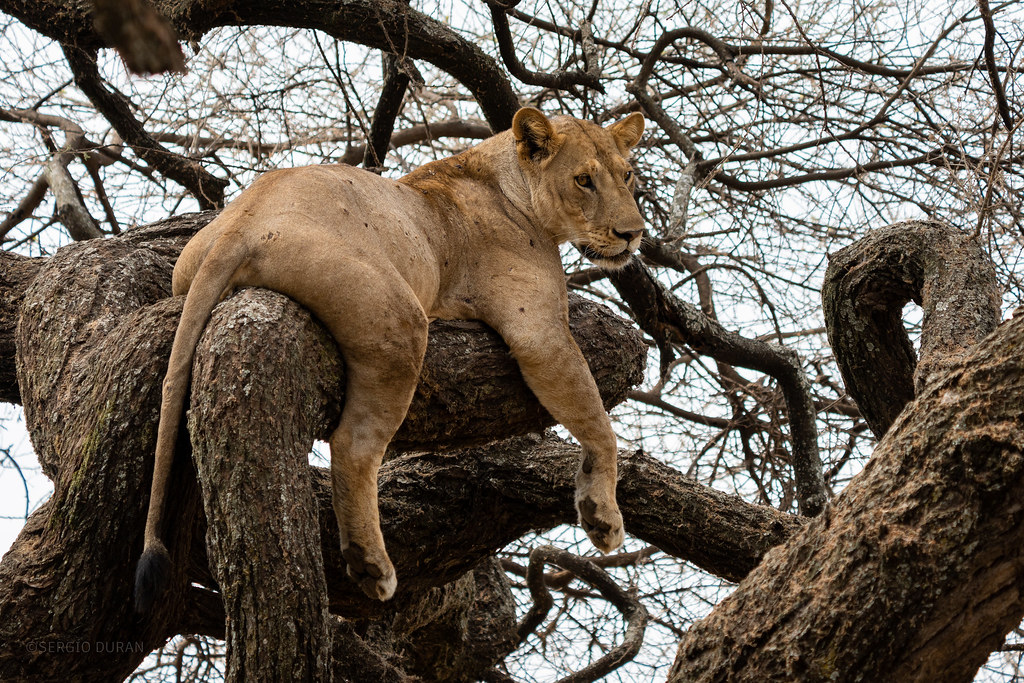
- Lions resting or hunting in suitable habitats.
- Wildlife gathering near rivers and water sources.
- Giraffes, antelopes and buffaloes in open woodland.
- Birds of prey and colourful woodland birds.
- Sunrise and sunset landscapes across the wilderness.
Ruaha is especially attractive for travelers who want to spend several days exploring one large ecosystem instead of moving between parks every night.
Before travelling, confirm park access, accommodation locations, fuel availability and permitted self-drive routes. Some roads can become difficult during rainy periods.
2. Nyerere National Park
Nyerere National Park offers a distinctive photographic experience built around rivers, wetlands, woodland and open plains. The Rufiji River system is one of the region’s major natural features and supports a variety of wildlife.
Photographers may encounter elephants, buffaloes, giraffes, hippos, crocodiles, lions, antelopes and a wide selection of birds. African wild dogs may also be present, but sightings depend on location, season and luck.
Photographic opportunities include:
- Hippos and crocodiles in river environments.
- Elephants moving through woodland.
- Birds along riverbanks and wetlands.
- Wildlife silhouetted against warm evening light.
- Scenic river channels and natural landscapes.
Nyerere also offers boat-based wildlife viewing in designated areas. These activities normally require an authorised operator, so confirm the arrangements before booking.
Self-drive access and permitted routes can vary by area. Check current regulations and whether your selected accommodation can be reached independently before setting off.
3. Mikumi National Park
Mikumi National Park is a practical choice for travelers who want to experience a Southern Tanzania safari while travelling between Dar es Salaam and the southern highlands.
Its open grasslands, acacia woodland and seasonal water sources provide opportunities to photograph zebras, giraffes, buffaloes, elephants, antelopes, lions and birds.
Mikumi can be particularly useful for a shorter self-drive safari because it is accessible from Dar es Salaam compared with more remote parks such as Ruaha.
Photographic highlights include open-plains wildlife, giraffes against the horizon, grazing herds and birds around wetland areas.
Travelers should allow enough time for driving and game viewing rather than treating the park only as a quick stop on a long road journey.
4. Udzungwa Mountains National Park
Udzungwa Mountains National Park offers a different photographic experience from the savannah parks. It protects forested mountains, waterfalls, rich vegetation and important wildlife habitats.
It is particularly appealing to photographers interested in forest landscapes, plants, insects, butterflies and birdlife. Guided hiking can also provide opportunities to explore the park’s scenic trails and waterfalls.
Unlike a conventional savannah game-drive destination, Udzungwa is primarily known for forest biodiversity and walking experiences. Visitors should arrange authorised activities and check trail conditions before arrival.
A Southern Tanzania itinerary combining Udzungwa with Mikumi can offer a rewarding contrast between mountain forest and open grassland.
5. The Southern Highlands and Scenic Road Routes
The Southern Highlands provide additional opportunities for landscape photography, rural scenes and scenic road travel. Depending on the route, visitors may explore the Iringa area, highland viewpoints, agricultural landscapes and local communities.
These experiences complement wildlife photography with images of everyday life and Tanzania’s varied geography.
When photographing people, ask permission before taking identifiable portraits. Use designated viewpoints and stop only where it is safe and legal to do so.
Suggested 10-Day Southern Tanzania Photographic Self-Drive Safari
This sample itinerary focuses on Southern Tanzania’s main wildlife destinations. It can be adapted according to your arrival point, accommodation preferences, vehicle type and photographic interests.
Driving times vary with road conditions, weather, traffic, park regulations and the exact location of accommodation.
Day 1: Arrival in Dar es Salaam
Arrive in Dar es Salaam and collect your pre-arranged 4×4 rental vehicle. Check the tyres, spare tyre, recovery equipment, vehicle documents and camera equipment before starting your safari.
Depending on your arrival time, stay overnight in Dar es Salaam and prepare for the journey south.
Overnight: Dar es Salaam.
Day 2: Dar es Salaam to Mikumi National Park
Travel towards Mikumi National Park, allowing sufficient time for road conditions and your accommodation check-in.
If your arrival time and park arrangements permit, enjoy an afternoon game drive. Photograph the open plains, giraffes, elephants, zebras and other wildlife along authorised park roads.
Overnight: Mikumi area.
Day 3: Full-Day Wildlife Photography in Mikumi
Spend the day exploring Mikumi National Park. Early morning and late afternoon often provide softer light for wildlife photography.
Look for elephants, giraffes, buffaloes, antelopes and predators in suitable habitats. Bird photographers can also explore areas around water sources and seasonal wetlands.
Follow park regulations, remain on permitted roads and maintain a safe distance from wildlife.
Overnight: Mikumi area.
Day 4: Mikumi to Ruaha National Park
Begin the journey towards Ruaha National Park. This is a longer travel day, so start early and plan fuel and rest stops in advance.
Arrive at your accommodation according to your booking arrangements. Avoid scheduling a demanding game drive if you reach the area late or road conditions have slowed your journey.
Overnight: Ruaha area.
Day 5: Wildlife Photography in Ruaha
Spend the day photographing Ruaha’s wildlife and landscapes.
Explore authorised roads and look for elephants, lions, buffaloes, giraffes, antelopes and birds. The park’s baobab trees, rocky terrain and river scenery provide excellent opportunities for environmental portraits and wider landscape images.
Overnight: Ruaha area.
Day 6: Another Full Day in Ruaha
Enjoy a second full day in Ruaha to increase your opportunities for wildlife photography.
Rather than trying to cover too much ground, choose a manageable route and spend time observing animal behaviour. A longer stay may provide opportunities to photograph different species, changing light and wildlife interactions.
Overnight: Ruaha area.
Day 7: Ruaha to the Udzungwa or Iringa Area
Leave Ruaha and travel towards your chosen overnight stop in the Iringa or Udzungwa area, depending on your preferred route and accommodation.
This is a useful day for photographing highland scenery, rural landscapes and changing vegetation. Confirm the route and driving conditions before departure.
Overnight: Iringa or Udzungwa area.
Day 8: Udzungwa Mountains Experience
Explore Udzungwa Mountains National Park with an authorised guide or activity provider.
Depending on your chosen trail and conditions, photograph forest vegetation, waterfalls, butterflies, birds and other natural details. Wear suitable walking shoes and carry drinking water, rain protection and a manageable camera setup.
This day provides a different perspective from the savannah wildlife photography of Mikumi and Ruaha.
Overnight: Udzungwa area.
Day 9: Return Towards Dar es Salaam
Begin the return journey towards Dar es Salaam, allowing sufficient time for traffic, road conditions and rest stops.
If your preferred pace is slower, add an overnight stop instead of attempting a long drive immediately before an international flight.
Overnight: Dar es Salaam or en route, depending on the itinerary.
Day 10: Vehicle Return or Gorilla Photography Extension
Return your rental vehicle according to the agreed arrangements, or continue with an onward travel extension.
Travelers who want to photograph mountain gorillas can arrange international transport to Uganda or Rwanda, followed by the appropriate permit, accommodation and guided trekking arrangements.
Important: This is a Southern Tanzania wildlife photography itinerary. Mountain gorilla trekking is not available in Tanzania.
Adding Mountain Gorilla Photography in Uganda or Rwanda
Southern Tanzania offers rewarding wildlife photography, but a true mountain gorilla photographic safari requires travel to a neighbouring country.
Uganda: Bwindi Impenetrable National Park
Bwindi Impenetrable National Park is one of the world’s leading mountain gorilla trekking destinations. Its dense rainforest, steep slopes and lush vegetation provide a striking contrast to Southern Tanzania’s open savannah and woodland.
Visitors can photograph mountain gorillas during an authorised ranger-guided trek, subject to permit availability and park rules.
Because travel from Southern Tanzania to Uganda involves significant distances, arrange suitable flights and local transport rather than attempting to drive the entire journey without careful planning.
Uganda: Mgahinga Gorilla National Park
Mgahinga Gorilla National Park offers mountain gorilla trekking in the Virunga volcanic region. Its forested slopes and dramatic volcanic scenery appeal to photographers interested in both primates and mountain landscapes.
Confirm permit availability and accommodation before finalising your travel dates.
Rwanda: Volcanoes National Park
Volcanoes National Park in northern Rwanda is another major destination for mountain gorilla trekking. The park’s bamboo vegetation, montane forest and volcanic landscapes provide a distinctive photographic setting.
Rwanda may suit travelers seeking a shorter gorilla-focused extension, depending on flight schedules, permit availability and budget.
Gorilla trekking must always be conducted through the authorised park system. Photographers must follow the applicable distance, health, flash-photography and viewing-time requirements.
Essential Camera Equipment for Southern Tanzania Photography
Camera Body
A DSLR or mirrorless camera with reliable autofocus and good image quality is useful for wildlife photography. A smartphone can also capture landscapes, birds at close range and memorable travel scenes.
Telephoto Lens
A telephoto lens is useful for photographing wildlife from a safe and permitted distance. It can help capture animal portraits, birds and wildlife behaviour without approaching animals.
Wide-Angle Lens
A wide-angle lens is ideal for Ruaha’s baobab landscapes, Nyerere’s rivers, Udzungwa’s forest scenery and the expansive skies of Mikumi.
Spare Batteries and Memory Cards
Carry spare batteries and enough memory cards for long days in the field. Consider bringing a reliable way to back up photographs, particularly on longer trips.
Dust and Rain Protection
Dust can be a challenge on unpaved safari roads, while rain may affect driving and camera equipment. Use a protective camera bag, lens cloths and rain covers, and avoid changing lenses in dusty conditions.
Binoculars and Camera Support
Binoculars help locate wildlife before taking photographs. A beanbag or other suitable camera support can improve stability when photographing from an authorised viewing position.
For gorilla trekking, keep equipment lightweight and waterproof enough for forest trails.
Responsible Wildlife Photography in Southern Tanzania
Responsible wildlife photography helps protect animals and their habitats.
Follow these principles throughout your safari:
- Maintain a safe and lawful distance from wildlife.
- Never feed, chase or deliberately disturb animals.
- Stay on permitted roads and authorised routes.
- Follow park speed limits and vehicle regulations.
- Do not leave the vehicle where park rules prohibit it.
- Avoid crowding wildlife or blocking animal movement.
- Respect other visitors and local communities.
- Follow park staff and authorised guide instructions.
- Ask permission before photographing identifiable local residents.
During gorilla trekking in Uganda or Rwanda, follow the ranger’s instructions, maintain the prescribed distance, avoid flash where prohibited and never touch or surround the gorillas.
The welfare of the animals should always take priority over obtaining a photograph.
Cost of a Southern Tanzania Photographic Self-Drive Safari
The total cost depends on the travel season, group size, rental vehicle, accommodation standard, park fees and optional guided activities.
| Cost Item | What It Covers |
|---|---|
| 4×4 car rental | Vehicle hire for the duration of the safari |
| Fuel | Fuel for the planned driving route |
| Park fees | Applicable national park entry and vehicle charges |
| Accommodation | Campsites, guesthouses, lodges or hotels |
| Food and drinks | Self-catering or restaurant meals |
| Guided activities | Optional guided game drives, hikes or boat trips |
| Photography equipment | Camera rental or accessories, if needed |
| Travel insurance | Appropriate personal travel and activity coverage |
| Gorilla extension | International transport, permits and accommodation in Uganda or Rwanda |
A Southern Tanzania-only safari will generally cost less than an extended trip that includes gorilla trekking, international flights and additional accommodation.
Before booking, request a detailed quotation that specifies vehicle rental, insurance, fuel expectations, park fees, accommodation and any optional activities. Confirm current park charges and access conditions directly with the relevant authorities or your safari provider.
Choosing the Right 4×4 Rental Vehicle for Southern Tanzania
A reliable 4×4 is important for Southern Tanzania because some destinations involve long journeys, rough roads and limited services.
When choosing a rental vehicle, consider:
- Ground clearance and suitability for unpaved roads.
- Tyre condition and the availability of spare tyres.
- Luggage capacity for camera equipment and personal bags.
- Fuel consumption and driving range.
- Insurance terms and roadside assistance.
- Recovery equipment and emergency supplies.
- Access rules for each national park.
- Collection and return arrangements.
A suitable Toyota Land Cruiser, Toyota Prado or another properly equipped 4×4 may be appropriate depending on the route, group size and road conditions.
Before departure, check the planned route with your rental provider. Confirm which parks permit self-driving, whether particular routes require a guide and whether your accommodation can be reached independently.
For an extension to Uganda or Rwanda, obtain written permission for cross-border travel and confirm insurance and vehicle documentation. In many cases, arranging a separate vehicle in the gorilla trekking country may be more practical.
Best Time for a Southern Tanzania Photographic Safari
Southern Tanzania offers photography opportunities throughout the year, but weather and seasonal conditions influence road access and wildlife viewing.
Drier periods often make some roads easier to navigate and may concentrate wildlife around water sources. However, temperatures can be high, and dust may affect camera equipment.
Wetter periods can bring greener landscapes, dramatic skies and excellent bird photography, but heavy rain may make some roads difficult or inaccessible. Certain seasonal activities and accommodation options may also vary.
The best dates depend on your chosen parks, wildlife interests, road conditions and accommodation availability. Confirm current conditions before travelling, particularly when visiting remote areas.
For a gorilla trekking extension, plan around permit availability and allow enough time for international travel and local transfers.
Combining Southern Tanzania Wildlife Photography with Other Experiences
Southern Tanzania and Zanzibar
After exploring Ruaha, Mikumi or Nyerere, continue to Zanzibar for beaches, Stone Town and coastal photography. Plan the vehicle return and onward transfer carefully, particularly if you have a scheduled flight.
Southern Tanzania and Dar es Salaam
Dar es Salaam is a practical starting or ending point for a Southern Tanzania road trip. Travelers can collect a rental vehicle in the city, explore selected parks and return the vehicle according to the rental agreement.
Southern Tanzania and the Northern Circuit
Travelers with additional time can extend their safari to include destinations such as Tarangire, Ngorongoro and the Serengeti. Because distances are substantial, allow enough days for driving and wildlife viewing rather than rushing between regions.
Southern Tanzania and Mountain Gorilla Trekking
Combine Southern Tanzania’s savannah and river landscapes with a separate gorilla trekking experience in Uganda or Rwanda. This creates a varied East African journey featuring different wildlife habitats and photographic opportunities.
Frequently Asked Questions
Can I photograph mountain gorillas in Southern Tanzania?
No. Tanzania does not have wild mountain gorilla trekking destinations. To photograph mountain gorillas, travel to authorised trekking areas in Uganda or Rwanda.
Which park is best for wildlife photography in Southern Tanzania?
Ruaha is an excellent choice for elephants, predators and baobab landscapes. Nyerere offers river and wetland photography, Mikumi is convenient for a shorter safari from Dar es Salaam, and Udzungwa is ideal for forest scenery, birds and guided hikes.
Is Southern Tanzania suitable for self-drive safaris?
Yes, selected destinations can be explored on a self-drive basis, subject to park rules, vehicle requirements and current road conditions. A suitable 4×4 and careful route planning are important.
How many days do I need for Southern Tanzania?
Seven to ten days can provide a rewarding introduction to destinations such as Mikumi, Ruaha and Udzungwa. Adding Nyerere or a gorilla trekking extension requires more time, depending on your route and transport connections.
Do I need a 4×4 vehicle?
A suitable 4×4 is strongly recommended for many Southern Tanzania safari routes. The exact vehicle requirements depend on the parks, roads, season and accommodation locations.
Can I combine Southern Tanzania with gorilla trekking?
Yes. You can complete a Southern Tanzania wildlife safari and then travel to Uganda or Rwanda for an authorised gorilla trek. Arrange permits, flights, accommodation and local transport in advance.
Can I visit Nyerere National Park independently?
Self-drive access depends on the area, route, park rules and current conditions. Some activities, including certain boat-based experiences, require an authorised operator. Confirm your plans before departure.
What should I budget for a photographic self-drive safari?
Your budget should account for vehicle rental, fuel, park fees, accommodation, food, insurance and optional activities. A gorilla trekking extension adds international transport and permit costs. Request a personalised quotation based on your dates and route.
Book Your Southern Tanzania Photographic Self-Drive Safari
A Southern Tanzania photographic self-drive safari offers an opportunity to discover remarkable wilderness areas, photograph African wildlife and experience the freedom of travelling independently.
From the elephants and baobabs of Ruaha to the rivers of Nyerere, the open plains of Mikumi and the forest landscapes of Udzungwa, Southern Tanzania offers a diverse range of experiences for wildlife photographers.
Travelers who also want to photograph mountain gorillas can extend their journey to Uganda or Rwanda, combining Tanzania’s wilderness with an unforgettable ranger-guided rainforest encounter.
Plan your Southern Tanzania safari with Self drive Dar es Salaam. Ask about 4×4 rental options, routes from Dar es Salaam, accommodation, park arrangements and a personalised itinerary. You can also request assistance planning an extension to Uganda or Rwanda for mountain gorilla trekking.