
7 Days Southern Tanzania Wildlife Safari and Maasai Cultural Experience
Overview: Southern Tanzania Wildlife Safari and Cultural Experience
Discover a different side of Tanzania on this exciting 7-day Southern Tanzania wildlife safari and cultural experience. This journey combines wildlife viewing in some of the country’s most remarkable southern parks with opportunities to learn about local traditions, rural livelihoods, cultural heritage, and community-based tourism.
While northern Tanzania is famous for the Serengeti, Ngorongoro Crater, and Tarangire, Southern Tanzania offers a more adventurous safari atmosphere, expansive wilderness areas, scenic river systems, and opportunities to explore destinations that often receive fewer visitors. The region is especially appealing to travellers looking for a quieter safari, photographers seeking distinctive landscapes, and visitors interested in combining wildlife with cultural learning.
This itinerary features Nyerere National Park, Mikumi National Park, and Ruaha National Park, three destinations with different habitats and wildlife experiences. Nyerere is known for its extensive wilderness, the Rufiji River system, and opportunities for boat safaris in permitted areas. Mikumi offers accessible savannah wildlife viewing, while Ruaha is celebrated for its rugged landscapes, large elephant populations, and diverse wildlife.
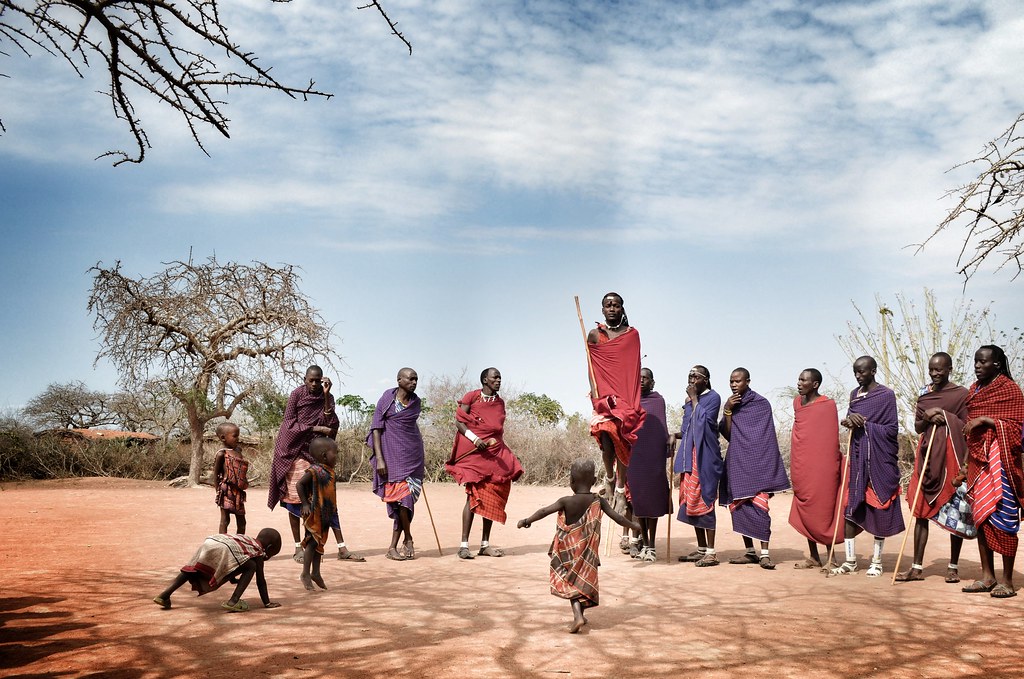
The cultural component can be arranged with a locally organised community visit, depending on the route and availability. Travellers may learn about local food, farming, crafts, music, storytelling, and traditional knowledge. A Maasai cultural experience can also be included where a suitable community programme is available, although Maasai traditions are not representative of every community in Southern Tanzania.
Starting and ending in Dar es Salaam, this seven-day itinerary is designed for travellers who want to experience Southern Tanzania beyond the usual northern safari circuit.
Highlights of the 7-Day Southern Tanzania Safari
- Explore Nyerere National Park, one of Tanzania’s major wilderness destinations.
- Discover wildlife habitats around the Rufiji River system.
- Enjoy game drives in Mikumi National Park.
- Explore Ruaha National Park’s rugged landscapes and diverse wildlife.
- Look for elephants, giraffes, zebras, buffaloes, antelopes, lions, and other wildlife.
- Add a locally organised cultural visit to learn about traditions and everyday life.
- Discover rural landscapes, farming communities, and local crafts.
- Enjoy a safari itinerary that can be adapted for guided or self-drive travel.
- Experience Southern Tanzania’s quieter and more adventurous safari atmosphere.
Detailed 7-Day Southern Tanzania Wildlife and Cultural Itinerary
Day 1: Arrival in Dar es Salaam – Welcome to Tanzania
Arrive in Dar es Salaam, Tanzania’s largest city and an important gateway to the southern safari circuit. Depending on your arrival time, meet your safari representative and transfer to your hotel.
If time permits, explore selected parts of the city, visit a craft market, or enjoy a meal featuring Tanzanian coastal cuisine. Dar es Salaam’s cultural life reflects a blend of African, Swahili, Arab, and Indian Ocean influences.
During your safari briefing, discuss the route, accommodation, wildlife activities, road transfers, and any cultural experiences you would like to include.
For travellers arriving late or planning an early departure, a relaxed evening at the hotel may be the most practical option.
Accommodation: Hotel in Dar es Salaam.
Meals: According to your package and arrival time.
Day 2: Dar es Salaam to Nyerere National Park – Into Southern Tanzania’s Wilderness
After an early breakfast, depart Dar es Salaam and travel towards Nyerere National Park. The journey takes several hours, depending on your accommodation, route, road conditions, and any stops along the way.
As the city gives way to rural landscapes, you will see changing scenery, local settlements, farms, and stretches of woodland. Arrive in the Nyerere region and check in at your lodge or tented camp.
Depending on your arrival time and the activities available at your accommodation, you may enjoy an afternoon game drive or relax before dinner.
Nyerere National Park is known for its extensive wilderness, riverine habitats, woodlands, and open plains. Wildlife in the wider ecosystem includes elephants, giraffes, buffaloes, zebras, antelopes, lions, and other predators. Sightings depend on the season, habitat, and location of the animals.
Your guide will introduce you to the park’s ecological importance and explain how water, vegetation, and seasonal conditions influence wildlife movements.
Accommodation: Lodge or tented camp in the Nyerere National Park region.
Meals: Breakfast, lunch, and dinner according to your package.
Day 3: Nyerere National Park – Wildlife Safari and River Landscapes
Spend the day exploring Nyerere National Park through activities available under your booking and current park regulations.
Start with a morning game drive to look for wildlife when temperatures are cooler. Your guide will help you search for elephants, giraffes, buffaloes, zebras, antelopes, and predators while explaining the park’s diverse habitats.
Depending on your location and the operator’s arrangements, a boat safari may be available in authorised areas of the Rufiji River system. From the water, visitors may observe hippos, crocodiles, waterbirds, and animals approaching the riverbanks. Boat activities must follow local safety rules and may be affected by water levels and seasonal conditions.
After lunch or a period of rest, enjoy another game drive or a nature activity offered by your lodge.
Nyerere’s landscapes provide a different experience from the open grasslands of the Serengeti. River channels, floodplains, woodland, and seasonal water sources create varied habitats and excellent opportunities for nature photography.
Return to your accommodation for dinner and an overnight stay.
Accommodation: Lodge or tented camp in the Nyerere region.
Meals: Breakfast, lunch, and dinner according to your package.
Day 4: Nyerere to Mikumi National Park – Scenic Journey and Afternoon Game Drive
After breakfast, depart for Mikumi National Park. Travel time can be substantial, depending on the exact route, road conditions, and whether the journey is combined with other activities. Your operator should confirm the transfer plan before booking.
Mikumi is one of the most accessible national parks in Southern Tanzania and is known for open grasslands, woodland, and wildlife-viewing opportunities around the Mkata floodplain.
After arriving and checking in, enjoy an afternoon game drive if time and park access allow.
Look for giraffes, zebras, buffaloes, elephants, wildebeest, impalas, and other antelope species. Lions and other predators inhabit the park, although sightings are never guaranteed.
Your guide will explain how the landscape supports different wildlife species and how seasonal rainfall affects the availability of grazing and water.
Mikumi provides a useful contrast to Nyerere’s extensive wilderness and river habitats, offering a different setting for game drives and photography.
Return to your lodge or camp for dinner.
Accommodation: Lodge or tented camp near Mikumi National Park.
Meals: Breakfast, lunch, and dinner according to your package.
Day 5: Mikumi to Ruaha National Park – Journey to Tanzania’s Wild Heart
After breakfast, begin the journey towards Ruaha National Park. This is a substantial transfer, so an early departure and careful planning are recommended. Depending on road conditions and your chosen accommodation, much of the day may be spent travelling.
Ruaha is renowned for its rugged scenery, baobab-dotted landscapes, seasonal rivers, and large elephant populations. Its position within a transition zone between different ecological regions contributes to its variety of habitats and wildlife.
Arrive at your lodge or camp, settle in, and enjoy the evening according to your schedule.
If your arrival time permits and park regulations allow, an afternoon activity may be possible. Otherwise, use the time to rest and prepare for the following day’s wildlife exploration.
Your guide can brief you on Ruaha’s wildlife, including the importance of the Great Ruaha River and other seasonal water sources. Water availability influences where animals gather and how they move through the park.
Accommodation: Lodge or tented camp in the Ruaha region.
Meals: Breakfast, lunch, and dinner according to your package.
Day 6: Ruaha National Park – Full-Day Wildlife and Cultural Experience
Spend the day exploring Ruaha National Park, one of Southern Tanzania’s most distinctive wildlife destinations.
Begin with an early-morning game drive, when cooler temperatures may encourage wildlife activity. Search for elephants, giraffes, buffaloes, zebras, antelopes, lions, and other animals. Ruaha is also known for its birdlife and its varied landscapes of open plains, woodland, rocky outcrops, and river valleys.
Your guide will explain the relationships between predators and prey, the importance of seasonal water sources, and the conservation challenges faced by large protected areas.
Enjoy a picnic lunch at an authorised location or return to your accommodation, depending on the itinerary and park rules. Continue with an afternoon game drive if time permits.
Local Cultural Experience in Southern Tanzania
To complement the wildlife safari, arrange a locally organised cultural visit in a community along the route, subject to location, travel time, and availability.
Southern Tanzania is home to diverse communities with different languages, histories, livelihoods, and cultural traditions. Depending on the community visited, activities may include:
Local food and cooking: Learn about selected Tanzanian dishes, locally grown ingredients, and the role of food in family and community life.
Farming and rural livelihoods: Discover how agriculture, livestock keeping, and local markets contribute to household incomes and the regional economy.
Traditional crafts: Meet local artisans, where available, and learn about selected craft techniques, materials, and artistic traditions.
Music, dance, and storytelling: Participate in or observe a locally organised presentation when the host community chooses to offer one.
Community conservation: Learn how some communities engage with conservation, tourism, land use, and efforts to manage the relationship between people and wildlife.
If you specifically want a Maasai cultural experience, ask your safari operator to arrange a visit with a suitable community along the route. Maasai communities are not the only cultural groups in Southern Tanzania, and a visit should reflect the identity and preferences of the actual hosts.
Choose a programme that involves local residents directly, has transparent visitor fees, and respects the community’s control over what is shared. Ask permission before taking photographs.
Depending on the location of the cultural visit, it may be more practical to schedule it on Day 2, Day 4, or during a separate overnight stop rather than travel long distances from Ruaha. Confirm the final arrangements before booking.
Return to your accommodation for dinner and your final overnight stay in the Ruaha region.
Accommodation: Lodge or tented camp in the Ruaha region.
Meals: Breakfast, lunch, and dinner according to your package.
Day 7: Return Journey – Departure from Southern Tanzania
After breakfast, begin your return journey according to your confirmed transport and flight arrangements.
Because Ruaha is a considerable distance from Dar es Salaam by road, returning to the city on the same day may be tiring and can be impractical if you have an international flight. A safer and more comfortable plan may involve an additional overnight stop or a domestic flight from an airport serving the Ruaha region, subject to schedules and availability.
If your package includes a domestic flight, your operator will arrange the transfer to the relevant airstrip or airport. Flight availability, baggage limits, and departure times should be checked before the safari is confirmed.
For travellers returning entirely by road, discuss the itinerary carefully with your operator and consider adding a night to avoid an excessively long final travel day.
Your Southern Tanzania safari concludes with memories of the wildlife, river landscapes, rugged wilderness, and cultural encounters experienced along the journey.
Accommodation: Not included unless an additional night is booked.
Meals: Breakfast, with other meals according to your package.
What Makes a Southern Tanzania Safari Special?
Nyerere National Park’s River and Wilderness Habitats
Nyerere offers an expansive wilderness experience with river systems, floodplains, woodlands, and opportunities for game drives. Authorised boat safaris in suitable areas can provide a different perspective on the region’s wildlife and birdlife.
Mikumi’s Open Savannah Landscapes
Mikumi’s accessible location and open habitats make it a rewarding destination for wildlife viewing. The park is a practical addition to itineraries travelling through the southern circuit.
Ruaha’s Rugged Landscapes and Elephants
Ruaha is known for its rugged scenery, baobab trees, diverse wildlife, and extensive protected landscape. It is particularly attractive to travellers seeking a more remote-feeling safari.
Cultural Learning Beyond the National Parks
A well-organised cultural visit introduces travellers to the people and communities of Southern Tanzania. Experiences can focus on local food, farming, crafts, storytelling, and community life rather than relying on a single standardised cultural programme.
A More Adventurous Safari Route
Southern Tanzania involves longer transfers and more planning than some compact northern safari itineraries. For travellers who enjoy expansive landscapes and less crowded destinations, this can be part of the appeal.
Best Time for a Southern Tanzania Wildlife and Cultural Safari
Southern Tanzania can be visited at different times of the year, but weather, wildlife distribution, road access, and lodge operations vary by destination.
June to October: The dry season is generally a popular period for wildlife viewing. Animals may be easier to locate around remaining water sources, particularly in parts of Ruaha and Nyerere. Book accommodation and transport in advance during busy periods.
November to December: The short rains may bring greener scenery and seasonal changes in wildlife distribution. Conditions vary, and rain can affect road travel.
January to March: Many areas become greener, and birdwatching can be rewarding. Wildlife visibility and access depend on rainfall, vegetation, and local conditions.
April to May: The long rains can create lush landscapes but may make some roads difficult to navigate. Some lodges or activities may operate on seasonal schedules, so confirm availability before travelling.
For the best experience, select your dates according to the parks you most want to visit, your preferred accommodation, and whether you plan to travel by road or domestic flight.
What to Pack for the Safari
For a comfortable seven-day Southern Tanzania safari, consider packing:
- Lightweight, neutral-coloured clothing for game drives.
- A warm jacket for early mornings and evenings.
- Comfortable closed shoes.
- A hat, sunglasses, and sunscreen.
- Insect repellent.
- Binoculars and a camera.
- A reusable water bottle.
- Personal medication and basic travel essentials.
- A small daypack for excursions.
- A waterproof jacket during rainy periods.
- Cash for tips, personal purchases, and optional activities.
- Modest, comfortable clothing for cultural visits.
If you are travelling by small aircraft, confirm baggage dimensions and weight limits with your operator. Soft-sided luggage may be required.
What’s Included in the 7-Day Southern Tanzania Safari?
A private safari package can be customised to include:
- Airport pickup and drop-off in Dar es Salaam, where applicable.
- Private safari vehicle and professional driver-guide.
- Six nights of accommodation, depending on the final itinerary.
- Meals specified in the booking.
- Game drives in Nyerere, Mikumi, and Ruaha, subject to the confirmed route.
- Park entry and other applicable conservation fees, where explicitly included.
- A locally organised cultural visit.
- Boat safari in Nyerere, if included and available.
- Road transfers or domestic flights according to the final itinerary.
- Drinking water during game drives, where specified.
What’s Usually Excluded?
Unless listed in the final quotation, the following may be excluded:
- International flights.
- Domestic flights and excess baggage charges.
- Visa costs and travel insurance.
- Personal expenses and gratuities.
- Alcoholic and premium drinks.
- Optional activities not specified in the itinerary.
- Additional nights caused by flight schedules or route changes.
- Accommodation upgrades.
- Any fees or services not expressly listed in the final quotation.
Important: Confirm whether park fees, domestic flights, cultural visits, boat safaris, meals, and transfers are included before making a reservation.
Frequently Asked Questions
1. Can I visit Southern Tanzania’s national parks in seven days?
Yes, but combining Nyerere, Mikumi, and Ruaha in one week involves substantial travel. The itinerary works best with carefully planned transfers and, where suitable, domestic flights. Travellers who prefer a relaxed road safari may choose two parks instead of three.
2. Which national parks are best for a Southern Tanzania safari?
Nyerere is known for extensive wilderness and river habitats, Mikumi for accessible savannah wildlife viewing, and Ruaha for rugged scenery and diverse wildlife. The best choice depends on your interests, available time, and budget.
3. Can I see the Big Five in Southern Tanzania?
The southern parks support several of the animals known as the Big Five: lion, leopard, elephant, buffalo, and rhinoceros. However, sightings of every species are not guaranteed, and opportunities vary by park and season. Discuss your priorities with your safari operator when choosing the route.
4. Can I include a Maasai cultural experience?
Yes, if a suitable community programme can be arranged along your route. Confirm the location, host community, activities, and travel time in advance. Southern Tanzania is culturally diverse, so you may also choose an experience focused on other local communities and their traditions.
5. Is Nyerere National Park the same as Selous Game Reserve?
Nyerere National Park was established from a large part of the former Selous Game Reserve. The wider Selous ecosystem remains a significant conservation landscape, but the names refer to different designations and areas. Check the exact location of your accommodation and activities when booking.
6. Can I do a boat safari in Nyerere?
Boat safaris may be available in authorised parts of the Rufiji River system, depending on your location, water levels, operator arrangements, and current regulations. Confirm whether the activity is included in your package.
7. Is Southern Tanzania suitable for a self-drive safari?
Self-drive travel may be possible with an appropriate 4×4 vehicle and careful planning, but the distances between parks, road conditions, fuel availability, accommodation locations, and park rules need attention. Ruaha and Nyerere require particularly careful route planning. Travellers should confirm current access conditions and driving requirements before departure.
8. Is this itinerary suitable for families?
It can be adapted for families, but the long road transfers may be tiring for younger children. Consider reducing the number of parks, choosing comfortable accommodation, and allowing additional nights between destinations.
9. Can I start and end the safari in Dar es Salaam?
Yes. Dar es Salaam is a practical starting point for the southern safari circuit. However, a road return from Ruaha can be long, so a domestic flight or an additional overnight stop may be advisable depending on your departure time.
10. Can I customise the itinerary?
Yes. You can focus on Nyerere and Mikumi, spend more time in Ruaha, add a cultural visit, select lodge or camping accommodation, or request a self-drive arrangement. The best route depends on your dates, budget, driving preferences, and wildlife priorities.
Book Your 7-Day Southern Tanzania Wildlife and Cultural Safari
Explore Tanzania beyond the familiar northern circuit with a journey into the country’s southern wilderness. From Nyerere’s river landscapes to Mikumi’s open savannah and Ruaha’s rugged habitats, this safari combines wildlife viewing with opportunities to discover local traditions and community life.
Contact your preferred Tanzania safari operator to customise your Southern Tanzania wildlife and cultural experience. You can choose a private guided safari, a carefully planned self-drive adventure, comfortable lodge accommodation, or a route focused on the parks that interest you most.
For a more relaxed experience, consider concentrating on two parks rather than trying to cover all three in seven days. This allows more time for wildlife viewing, cultural activities, and enjoying the landscapes without rushing between destinations.
Experience Southern Tanzania beyond the game drives — discover its wilderness, wildlife, landscapes, and people.