
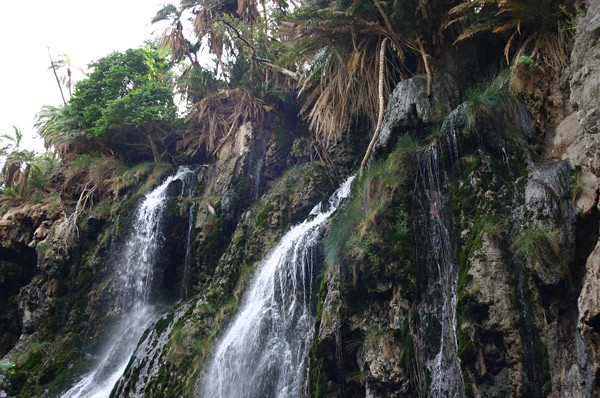
Munge Waterfall in Ngorongoro: A Hidden Natural Wonder of Tanzania
Introduction: Discover Munge Waterfall in Ngorongoro
Beyond the famous wildlife-filled Ngorongoro Crater lies a remarkable highland landscape featuring volcanic formations, forests, grasslands and beautiful natural water features. Among these attractions is Munge Waterfall, a scenic waterfall associated with Olmoti Crater in the Ngorongoro Conservation Area of northern Tanzania.
Munge Waterfall offers a different perspective of the Ngorongoro wilderness. Rather than exploring the region exclusively through traditional game drives, visitors can enjoy a walking excursion through the beautiful highlands to discover the natural water system flowing from Olmoti towards the main Ngorongoro Crater.
The waterfall is formed by the Munge River, which originates within Olmoti Crater before flowing over a section of the crater rim. The water continues downstream towards the main Ngorongoro Crater, eventually contributing to the Lake Magadi ecosystem.
For travellers interested in hiking, photography, birdwatching and exploring lesser-known attractions, Munge Waterfall is an excellent addition to a northern Tanzania safari.
Where Is Munge Waterfall Located?
Munge Waterfall is located within the Olmoti Crater landscape in the Ngorongoro Conservation Area, northern Tanzania.
Olmoti is a shallow volcanic crater situated north of the famous Ngorongoro Crater. Its elevated highland environment features forested slopes, open grasslands and natural streams.
The waterfall occurs where the Munge River flows out through a notch in the southern section of Olmoti’s crater rim.
The surrounding area provides spectacular views of the Ngorongoro Highlands, making the destination particularly attractive to nature lovers and adventurous travellers.
Visitors generally access the walking trail from the Nainokanoka Ranger Station.
The Munge River: The Natural Source of the Waterfall
The Munge River plays an important role in the natural drainage system of the Ngorongoro Conservation Area.
Its source lies within Olmoti Crater, where water from streams and natural drainage channels collects before flowing towards the southern crater rim.
The river then passes over the rocky landscape, forming the beautiful Munge Waterfall.
Beyond the waterfall, the river continues towards the main Ngorongoro Crater, eventually draining into the Lake Magadi area.
This water system contributes to the ecological importance of the region by supporting vegetation, wetlands and wildlife habitats.
The Munge River is particularly interesting for visitors who want to understand the relationship between the volcanic geography of the Ngorongoro Highlands and the water resources supporting wildlife in the surrounding landscapes.
Munge Waterfall Walking Safari: What to Expect
One of the best ways to experience Munge Waterfall is through a guided walking excursion in Olmoti Crater.
The adventure begins around Nainokanoka, where visitors meet the authorised ranger before starting the hike.
The trail passes through attractive highland vegetation and gradually climbs towards the crater rim.
The initial ascent takes approximately 45 minutes, depending on walking speed and trail conditions. Once at the rim, visitors can appreciate the shallow grassy crater and the surrounding volcanic landscape.
From the rim, the trail continues down towards the waterfall area, taking approximately another 30 minutes.
The experience offers opportunities to enjoy the scenery, photograph the waterfall and appreciate the natural environment.
Visitors should allow additional time for photography, rest breaks and ranger arrangements.
Wildlife and Vegetation Around Munge Waterfall
The Olmoti Crater environment supports a variety of wildlife and plant species.
The surrounding grasslands and forested areas provide habitats for animals such as eland, buffalo and bushbuck.
Birdwatchers may also encounter several highland bird species, including sunbirds.
The vegetation includes indigenous highland trees and other plant species adapted to the cool conditions of the Ngorongoro Highlands.
Although Munge Waterfall is primarily a scenic and hiking attraction, the surrounding biodiversity makes the excursion particularly rewarding for nature enthusiasts.
Best Time to Visit Munge Waterfall
Munge Waterfall can be visited throughout the year, although seasonal rainfall influences the appearance of the surrounding landscape and the volume of water flowing over the rocks.
June to October – Dry Season
This is generally a favourable period for hiking, with relatively comfortable trail conditions and good opportunities for photography.
November to December – Short Rain Season
The landscape becomes greener, and occasional rainfall can enhance the scenery around the waterfall.
January to February – Relatively Dry Period
These months can offer favourable walking conditions, although the waterfall’s flow depends on preceding rainfall.
March to May – Long Rain Season
The highlands become particularly green, and the waterfall may have a stronger flow. However, muddy trails and rain can make hiking more challenging.
Travellers should check current trail conditions and weather forecasts before arranging their excursion.
Do You Need a Guide to Visit Munge Waterfall?
Yes. Walking excursions in the Ngorongoro Conservation Area must follow the regulations of the Ngorongoro Conservation Area Authority (NCAA).
Visitors must arrange an authorised ranger to accompany them during the walk.
This is important because wildlife, including Cape buffalo, inhabits the Olmoti landscape.
Travellers should arrange the necessary walking permissions and ranger services in advance through the conservation authority or a registered safari operator.
Combining Munge Waterfall with Other Ngorongoro Attractions
Munge Waterfall can be incorporated into a broader northern Tanzania safari itinerary.
Popular attractions to combine with the excursion include:
Olmoti Crater: Explore the volcanic crater and its beautiful highland scenery.
Empakaai Crater: Enjoy another rewarding walking experience featuring a dramatic crater lake and forested slopes.
Ngorongoro Crater: Experience one of Africa’s most famous wildlife destinations, with opportunities to see elephants, lions, buffalo, rhinos and other wildlife.
Lake Natron: Discover spectacular alkaline lake landscapes, flamingos and views of Ol Doinyo Lengai.
Tarangire National Park: Explore the famous baobab landscapes and large elephant populations.
Lake Manyara National Park: Enjoy wildlife viewing, groundwater forests and beautiful lakeside scenery.
Combining these destinations creates an exciting northern Tanzania adventure that includes wildlife viewing, hiking, geology and cultural experiences.
Self-Drive Safari to Munge Waterfall
For independent travellers, exploring the Ngorongoro Highlands with a suitable 4×4 rental vehicle offers flexibility and convenience.
A self-drive safari allows visitors to explore destinations such as Ngorongoro, Olmoti, Empakaai, Lake Natron and other attractions at their preferred pace.
However, visitors should understand that a rental vehicle does not replace the requirement for an authorised ranger during walking excursions.
At Self Drive in Tanzania, travellers can arrange reliable 4×4 vehicles suitable for exploring northern Tanzania.
Our rental options include safari-ready Toyota Land Cruisers and other 4×4 vehicles, with selected models available with rooftop tents and camping equipment.
Whether you are planning a camping adventure or a lodge-based safari, we can help you arrange a suitable vehicle for your journey.
Book your Tanzania 4×4 car rental and explore the remarkable landscapes of the Ngorongoro Highlands.
Frequently Asked Questions About Munge Waterfall
1. Where is Munge Waterfall located?
Munge Waterfall is located at the southern outlet of Olmoti Crater within the Ngorongoro Conservation Area in northern Tanzania.
2. What creates Munge Waterfall?
The waterfall is formed by the Munge River, which originates within Olmoti Crater and flows over a rocky section of the crater rim.
3. How do you reach Munge Waterfall?
Visitors travel to the Nainokanoka area and undertake a guided walk from the ranger station towards Olmoti Crater and the waterfall.
4. How long does the Munge Waterfall hike take?
The walk takes approximately 45 minutes to reach the crater rim, followed by another 30 minutes to descend towards the waterfall. Additional time should be allowed for the return journey and sightseeing.
5. Do you need an armed ranger to visit Munge Waterfall?
Yes. Visitors must arrange the required authorised ranger accompaniment for walking excursions within the Ngorongoro Conservation Area.
6. Can you visit Munge Waterfall and Empakaai Crater on the same trip?
Yes. Both attractions can be combined in a longer Ngorongoro Highlands walking safari, depending on the available time and itinerary.
7. What is the best time to visit Munge Waterfall?
June to December is generally favourable for walking, although the waterfall and surrounding scenery can be particularly impressive after seasonal rainfall.
8. Can you visit Munge Waterfall on a self-drive safari?
Yes. You can drive to the designated access area using a suitable vehicle, but the walking excursion requires the authorised ranger and applicable permissions.
Plan Your Munge Waterfall Walking Safari
Munge Waterfall is a beautiful example of the natural attractions hidden within Tanzania’s Ngorongoro Highlands. Its connection to Olmoti Crater and the Munge River makes it an interesting destination for travellers who want to explore the region beyond conventional wildlife game drives.
From the scenic walking trails to the beautiful waterfall and surrounding highland landscapes, the experience provides an opportunity to appreciate another dimension of Tanzania’s natural heritage.
Whether you are planning a dedicated hiking adventure or incorporating the excursion into a longer northern Tanzania safari, Munge Waterfall deserves consideration on your travel itinerary.
Contact Self Drive in Tanzania to arrange your 4×4 rental and explore the Ngorongoro Highlands independently.