
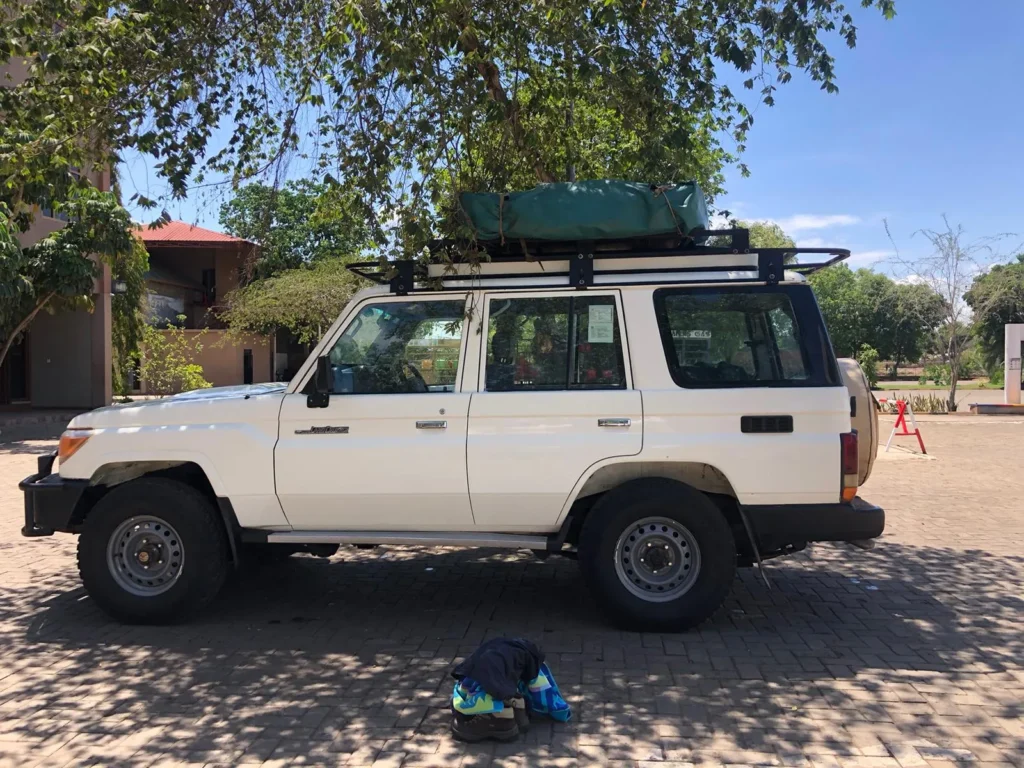
Renting a 4×4 with a Rooftop Tent for Birding Safaris in East Africa
Introduction: Discover East Africa’s Incredible Birdlife with a 4×4 Rooftop Tent
East Africa is one of the world’s most rewarding regions for birdwatching, attracting bird enthusiasts, photographers, nature lovers and wildlife explorers from across the globe. From colourful forest birds and spectacular waterbirds to impressive raptors and rare endemic species, the region offers extraordinary birding opportunities throughout the year.
Countries such as Tanzania, Kenya, Uganda and Rwanda feature diverse ecosystems, including tropical rainforests, open savannahs, wetlands, lakes, mountains and coastal habitats. These varied environments support an exceptional diversity of bird species, making East Africa an exciting destination for both experienced birders and beginners.
For travellers who prefer independence and flexibility, renting a 4×4 with a rooftop tent for a birding safari offers an adventurous way to explore these remarkable habitats.
Instead of depending entirely on fixed safari packages and accommodation arrangements, you can hire a properly equipped 4×4, carry your camping equipment and travel between different birdwatching destinations at your own pace.
Whether you are searching for the shoebill in Uganda, exploring the wetlands of Tanzania, photographing flamingos in Kenya or discovering Albertine Rift endemic birds in Rwanda, a reliable 4×4 rooftop tent rental can make your East African birding adventure more flexible and memorable.
Why Rent a 4×4 with a Rooftop Tent for Birdwatching?
A 4×4 rooftop tent rental combines transportation and camping accommodation, making it a practical option for independent birdwatchers, photographers, couples, small groups and overland travellers.
1. Freedom to Explore Different Birding Habitats
Birdwatching often involves visiting several habitats within one destination. You may begin your morning around a wetland, continue through woodland and spend the afternoon exploring open grasslands.
Having your own 4×4 gives you the flexibility to explore different birding locations without depending entirely on organised group schedules.
2. Convenient Mobile Camping Accommodation
A rooftop tent provides a practical sleeping arrangement when travelling between remote birdwatching destinations.
Depending on the rental package, camping equipment may include a comfortable mattress, sleeping bags, camping chairs, tables, cooking utensils and a refrigerator.
This allows you to combine birdwatching with camping experiences in scenic natural surroundings, subject to authorised campsite regulations.
3. Access to Remote Birding Locations
Some of East Africa’s most interesting birdwatching locations are reached through gravel roads, rural tracks and remote landscapes.
A suitable 4×4 safari vehicle provides additional ground clearance and capability for many of these journeys, particularly when travelling during rainy seasons.
4. More Time for Early Morning Birding
Birds are often most active during the early morning hours. Having accommodation and transport arranged together can make it easier to reach suitable birding locations at sunrise.
You can organise your own schedule around bird activity, photography opportunities and guided excursions.
5. Flexible Travel Budgets
For couples and small groups, combining vehicle hire with camping can help reduce accommodation expenses compared with staying exclusively in hotels and lodges.
It also provides flexibility when choosing where to stay and how long to spend in each destination.
Best Birding Destinations in East Africa
East Africa offers a remarkable selection of birdwatching destinations, from famous wetlands and tropical forests to high-altitude mountains and expansive savannah ecosystems.
1. Uganda: A Remarkable Birdwatching Destination
Uganda is one of Africa’s outstanding birdwatching countries, with an impressive variety of habitats supporting numerous resident and migratory species.
The country is particularly famous for the shoebill, an extraordinary prehistoric-looking bird that attracts birdwatchers from around the world.
Some of the best birding destinations in Uganda include:
Mabamba Bay Wetland
Mabamba Bay, located near Lake Victoria, is one of Uganda’s most famous birdwatching locations. It is particularly well known for shoebill sightings, with guided canoe excursions taking visitors through its extensive papyrus wetlands.
Other birds found in the area include papyrus gonoleks, African jacanas, malachite kingfishers and several waterbird species.
Bwindi Impenetrable National Park
Bwindi is internationally recognised for mountain gorillas, but it is also an exceptional birdwatching destination.
Its montane rainforest supports several Albertine Rift endemic species, making it particularly attractive to specialist birders.
Birdwatchers may search for species such as the African green broadbill, Grauer’s rush warbler and various colourful turacos.
Queen Elizabeth National Park
Queen Elizabeth National Park offers a combination of savannah, woodland, wetlands and lake habitats.
The Kazinga Channel is particularly rewarding for waterbirds, while the surrounding savannah supports raptors, bee-eaters, rollers and many other species.
Murchison Falls National Park
Murchison Falls offers excellent birdwatching opportunities along the Nile River, in woodland areas and across open savannah landscapes.
The park is also known for shoebill opportunities around suitable wetland habitats, particularly in the wider Murchison region.
A Uganda 4×4 rental with rooftop tent makes it possible to combine these birding destinations in one extended self-drive adventure.
2. Tanzania: Birdwatching Across Diverse Natural Habitats
Tanzania is an excellent destination for birdwatchers interested in exploring a wide range of African habitats.
From the wetlands of the Great Rift Valley to the forests of the Eastern Arc Mountains and the savannah plains of the Serengeti, the country offers remarkable bird diversity.
Important birding destinations include:
Lake Manyara National Park
Lake Manyara is famous for its beautiful lake scenery, groundwater forests and large concentrations of waterbirds.
Depending on water levels and seasonal conditions, visitors may encounter flamingos, pelicans, storks, herons and numerous other species.
The park’s woodland and forest habitats also provide opportunities to observe hornbills, barbets, kingfishers and other forest-associated birds.
Tarangire National Park
Tarangire is particularly rewarding for birdwatchers interested in dry-country species.
Its baobab woodlands, seasonal rivers and open savannah support a variety of birds, including yellow-collared lovebirds, northern pied babblers, hornbills and numerous raptors.
Serengeti National Park
The Serengeti is not only famous for the Great Wildebeest Migration but also offers outstanding birdwatching opportunities.
Its grasslands, kopjes, riverine forests and seasonal wetlands support ostriches, secretarybirds, kori bustards, vultures, eagles and many other species.
Arusha National Park
Arusha National Park offers diverse bird habitats within a relatively compact area. Its montane forests, lakes and open grasslands attract waterbirds, turacos, sunbirds and forest species.
Usambara Mountains
The East and West Usambara Mountains are particularly important for specialist birdwatchers searching for Eastern Arc endemics and other restricted-range species.
A Tanzania 4×4 rooftop tent rental provides an excellent opportunity to connect these different birding habitats in one road trip.
3. Kenya: Explore Lakes, Forests and Savannah Birdlife
Kenya is one of Africa’s best-known birdwatching destinations, with a wide variety of habitats supporting resident, endemic and migratory birds.
The country’s lakes, highland forests, coastal ecosystems and savannah parks provide rewarding experiences throughout the year.
Some of the most important birding destinations include:
Lake Nakuru National Park
Lake Nakuru is famous for its waterbirds and seasonal flamingo concentrations. Depending on water conditions, visitors may encounter flamingos, pelicans, cormorants, herons and other waterbirds.
The surrounding woodland and grassland habitats also support a variety of terrestrial species.
Lake Naivasha
Lake Naivasha is an excellent destination for waterbird enthusiasts and photographers.
Its shoreline and surrounding vegetation attract African fish eagles, kingfishers, herons, cormorants and numerous other species.
Boat excursions offer opportunities to observe birds from the water.
Kakamega Forest
Kakamega Forest is one of Kenya’s most important tropical rainforest birding destinations.
It is particularly attractive to birdwatchers searching for forest specialists, including turacos, hornbills, greenbuls and other species associated with tropical forests.
Maasai Mara National Reserve
The Maasai Mara is widely recognised for large mammals and the Great Wildebeest Migration, but it also supports an impressive range of birds.
Open grasslands and riverine habitats provide opportunities to encounter secretarybirds, ostriches, vultures, eagles, storks and numerous smaller species.
Arabuko-Sokoke Forest
Located along the Kenyan coast, Arabuko-Sokoke Forest is a major birding destination known for its forest endemics and globally threatened species.
A Kenya 4×4 rooftop tent rental makes it possible to combine several of these birding locations in one independent adventure.
4. Rwanda: Discover Albertine Rift Endemic Birds
Rwanda is an exciting destination for birdwatchers, particularly those interested in montane forest species and Albertine Rift endemics.
Despite its relatively small size, Rwanda contains a variety of habitats, including tropical rainforests, wetlands, lakes, bamboo forests and high-altitude mountain ecosystems.
Important birding destinations include:
Nyungwe Forest National Park
Nyungwe is one of East Africa’s most important montane rainforest birding destinations.
The forest is particularly famous for its Albertine Rift endemic species, including the Ruwenzori turaco, Ruwenzori batis and several other specialised forest birds.
Guided forest walks offer opportunities to explore different habitats and improve the chances of finding target species.
Akagera National Park
Akagera is Rwanda’s principal savannah wildlife destination and an excellent location for birdwatching.
Its lakes, papyrus swamps, grasslands and woodlands support numerous waterbirds, raptors, storks, kingfishers and savannah species.
The park is also known for shoebill sightings in suitable wetland areas.
Volcanoes National Park
Volcanoes National Park offers montane and bamboo forest habitats within the Virunga Mountains.
Birdwatchers can search for high-altitude species and Albertine Rift endemics while enjoying the park’s spectacular volcanic scenery.
Lake Kivu
The Lake Kivu region offers opportunities to explore lakeshore habitats and surrounding hills, with a variety of waterbirds and other species.
A Rwanda 4×4 car rental with rooftop tent is a convenient way to connect these destinations during a birdwatching holiday.
Which 4×4 Vehicle Should You Rent for a Birding Safari?
Choosing the right vehicle depends on the number of travellers, the length of your trip, the condition of your planned routes and the amount of photography and camping equipment you intend to carry.
| Vehicle | Best suited for |
|---|---|
| Toyota Land Cruiser Prado | Couples and small birdwatching groups |
| Toyota Land Cruiser 70 Series | Rugged birding and overland adventures |
| Toyota Land Cruiser 100 Series | Comfort on extended road trips |
| Toyota Hilux Double Cab | Small groups and camping equipment |
| Toyota Land Cruiser 78 Series Troop Carrier | Extended overlanding and larger equipment loads |
For longer birding expeditions, a capable 4×4 with good ground clearance, reliable tyres and sufficient luggage space is a sensible choice.
If you are travelling with long camera lenses, tripods, spotting scopes and binoculars, consider the available storage space when choosing your vehicle.
Explore our Tanzania 4×4 car rental, Kenya 4×4 car hire, Uganda 4×4 rental and Rwanda 4×4 car rental services when planning your birding adventure.
What Is Included in a Rooftop Tent Rental Package?
When booking a 4×4 with a rooftop tent for birdwatching, establish exactly what camping equipment is included.
A typical package may include:
- Rooftop tent for two people.
- Comfortable sleeping mattress.
- Sleeping bags and pillows.
- Camping table and chairs.
- Gas stove and cooking equipment.
- Plates, cups and cutlery.
- Refrigerator or cooler box.
- Water containers.
- Spare tyre and basic vehicle tools.
- Recovery equipment.
Birdwatchers should also consider additional storage arrangements for cameras, binoculars, spotting scopes, tripods, field guides and other sensitive equipment.
Ask the rental company about secure storage and vehicle accessories before confirming your booking.
Best Time for Birdwatching in East Africa
Birdwatching is possible throughout the year in East Africa, but the best travel period depends on your target species and preferred destinations.
Resident birds can be observed throughout the year, while migratory species add to the diversity during particular seasons.
| Period | General birding opportunities |
|---|---|
| January–March | Resident species, breeding activity in some habitats and dry-season birding in selected regions |
| April–May | Green landscapes, breeding activity and seasonal movement; some roads may be challenging |
| June–August | Excellent opportunities in many savannah and forest destinations |
| September–October | Resident birds and increasing opportunities to observe some migratory species |
| November–December | Arrival of many Palearctic migrants and rewarding wetland birding |
In many East African destinations, the November-to-April period is particularly interesting for observing Palearctic migratory birds. However, migration timing and local bird activity vary between countries and habitats.
For specialist birding trips, consult a local birding guide who understands the seasonal distribution of your target species.
Essential Equipment for a Self-Drive Birding Safari
A successful birdwatching trip requires more than a reliable vehicle. Carrying suitable equipment can make a significant difference to your experience.
Consider packing:
- Good-quality binoculars.
- Camera with suitable wildlife lenses.
- Tripod or monopod.
- Spotting scope, where useful.
- Bird identification field guide.
- Notebook or digital bird checklist.
- Extra camera batteries and memory cards.
- Rain jacket and waterproof bags.
- Neutral-coloured outdoor clothing.
- Comfortable walking shoes.
- Insect repellent and sunscreen.
Keep expensive photography equipment secure and protected from dust, moisture and excessive heat while travelling.
Suggested Self-Drive Birding Camping Safaris
One of the biggest advantages of renting a 4×4 with a rooftop tent is the opportunity to combine several birding destinations in one East African adventure.
Tanzania Birdwatching Camping Safari
A 10-day northern Tanzania birding safari can combine wetlands, savannahs, forests and highland habitats.
| Day | Destination | Birding experience |
|---|---|---|
| 1 | Arusha | Vehicle collection and preparation |
| 2 | Arusha National Park | Forest birds, waterbirds and montane species |
| 3 | Lake Manyara | Wetland and woodland birding |
| 4 | Tarangire | Dry-country birds and savannah species |
| 5 | Karatu | Highland and agricultural landscape birding |
| 6 | Ngorongoro Conservation Area | Grassland and highland species |
| 7 | Central Serengeti | Raptors, bustards and savannah birds |
| 8 | Serengeti | Riverine and open-country birding |
| 9 | Return towards Karatu | Additional birding along the route |
| 10 | Arusha | Return journey |
This itinerary can be extended to include the Usambara Mountains for travellers interested in Eastern Arc endemics.
Uganda Birdwatching Camping Safari
A 12-day Uganda birding safari can combine wetlands, rainforest, savannah and river habitats.
| Day | Destination | Birding experience |
|---|---|---|
| 1 | Entebbe | Arrival and vehicle preparation |
| 2 | Mabamba Bay | Shoebill and papyrus wetland birds |
| 3 | Lake Mburo | Savannah and acacia woodland birds |
| 4 | Bwindi | Albertine Rift forest species |
| 5 | Bwindi | Guided montane forest birding |
| 6 | Queen Elizabeth | Savannah and wetland birding |
| 7 | Kazinga Channel | Waterbirds and lakeshore species |
| 8 | Kibale Forest | Forest birds and primate habitats |
| 9 | Murchison Falls | River and savannah birding |
| 10 | Murchison Falls | Wetland and woodland exploration |
| 11 | Ziwa and surrounding areas | Additional birding opportunities |
| 12 | Entebbe | Return journey |
This route is a suggested overview. A specialist birding guide can help determine the best sites and realistic driving schedule for your target species.
Kenya Birdwatching Camping Safari
A 10-day Kenya birding safari can combine important wetlands, forests and savannah destinations.
| Day | Destination | Birding experience |
|---|---|---|
| 1 | Nairobi | Vehicle collection and preparation |
| 2 | Lake Naivasha | Waterbirds and lakeshore species |
| 3 | Lake Nakuru | Flamingos and other waterbirds |
| 4 | Kakamega Forest | Tropical rainforest birding |
| 5 | Kakamega Forest | Forest specialists and endemic species |
| 6 | Maasai Mara | Savannah and raptor species |
| 7 | Maasai Mara | Grassland and riverine birding |
| 8 | Nairobi region | Return journey with birding stops |
| 9 | Nairobi | Additional local birding |
| 10 | Departure | End of safari |
Arabuko-Sokoke Forest can be included in a longer itinerary for travellers interested in coastal forest species.
Rwanda Birdwatching Camping Safari
A 7-day Rwanda birding safari can combine montane rainforest, savannah and lakeshore habitats.
| Day | Destination | Birding experience |
|---|---|---|
| 1 | Kigali | Vehicle collection and preparation |
| 2 | Akagera | Savannah and wetland birds |
| 3 | Akagera | Shoebill search and waterbirds |
| 4 | Nyungwe Forest | Albertine Rift endemic species |
| 5 | Nyungwe Forest | Guided montane forest birding |
| 6 | Lake Kivu | Lakeshore and surrounding habitat birding |
| 7 | Kigali | Return journey |
For serious birders, extending the Nyungwe stay is worthwhile because forest birding often requires patience and multiple guided excursions.
Can You Combine Tanzania, Kenya, Uganda and Rwanda on One Birding Safari?
Absolutely. An extended East African birding expedition can provide access to a remarkable variety of habitats and species.
A regional itinerary could include:
- Mabamba Bay Wetland, Uganda.
- Bwindi Impenetrable National Park, Uganda.
- Queen Elizabeth National Park, Uganda.
- Serengeti National Park, Tanzania.
- Lake Manyara National Park, Tanzania.
- Usambara Mountains, Tanzania.
- Lake Nakuru National Park, Kenya.
- Kakamega Forest, Kenya.
- Maasai Mara National Reserve, Kenya.
- Nyungwe Forest National Park, Rwanda.
- Akagera National Park, Rwanda.
A multi-country journey requires careful planning. Confirm that your rental company permits cross-border travel and provides the necessary vehicle authorisation, insurance and documentation.
Depending on the rental arrangements, it may be more practical to use separate vehicles in different countries rather than taking one vehicle across every border.
Why Consider a Local Birding Guide?
A self-drive vehicle offers flexibility, but a knowledgeable local birding guide can greatly improve the quality of your experience.
Local guides can help you:
- Identify birds by sight and sound.
- Locate difficult-to-find species.
- Understand seasonal bird movements.
- Explore specialist habitats.
- Identify suitable observation points.
- Find regional endemics and target species.
- Follow responsible birdwatching practices.
For specialist birding trips, consider combining independent transport with local guides in important destinations such as Bwindi, Nyungwe, Kakamega and the Usambara Mountains.
Important Things to Know Before Renting a 4×4 for Birdwatching
Before confirming your rental, consider the following:
Birding itinerary: Identify your target species and habitats before choosing your route. Different destinations are important for different bird groups.
Seasonal planning: Consider migratory bird seasons, rainfall and breeding activity when selecting travel dates.
Park regulations: Check vehicle access, entry fees, guide requirements and permitted activities before visiting protected areas.
Camping arrangements: Use authorised campsites and follow local wildlife safety guidelines.
Early morning departures: Plan accommodation and driving distances to make early morning birdwatching practical.
Road conditions: Some forest and wetland access roads can become difficult during rainy periods. Choose a suitable 4×4 for your planned route.
Equipment protection: Keep cameras, binoculars and spotting scopes protected from dust, rain and moisture.
Wildlife and habitat protection: Avoid disturbing nests, playback-sensitive species or feeding birds. Follow responsible birdwatching guidelines.
Cross-border permission: Obtain written approval before taking a rental vehicle between East African countries.
Frequently Asked Questions
1. Can I rent a 4×4 with a rooftop tent for birdwatching in East Africa?
Yes. You can rent a suitable 4×4 with a rooftop tent and camping equipment for an independent birding safari in Tanzania, Kenya, Uganda or Rwanda, subject to rental conditions and park regulations.
2. Which East African country is best for birdwatching?
All four countries offer excellent birding opportunities. Uganda is particularly famous for the shoebill and Albertine Rift species, Tanzania offers diverse savannah and forest habitats, Kenya has important wetlands and coastal forests, while Rwanda is particularly attractive for montane forest and Albertine Rift endemics.
3. Can I see the shoebill during a self-drive safari?
Yes. Mabamba Bay in Uganda is one of the best-known locations for shoebill excursions. However, sightings are not guaranteed, and a local boat operator or knowledgeable birding guide can improve your chances.
4. Is a Land Cruiser necessary for a birding safari?
Not always. A suitable 4×4 with good ground clearance is recommended for many remote birding routes, particularly during rainy periods. The best vehicle depends on your route, group size and camping equipment.
5. Can I combine birdwatching with a wildlife safari?
Absolutely. Destinations such as Serengeti, Queen Elizabeth, Akagera and Maasai Mara offer opportunities to enjoy both birdwatching and traditional African wildlife viewing.
6. Does a rooftop tent rental include a birding guide?
Usually, no. Vehicle rental and camping equipment are generally separate from specialist birding guide services. You can arrange local guides independently or request assistance when planning your safari.
7. What is the best time for birdwatching in East Africa?
Birdwatching is possible throughout the year. November to April is particularly interesting for many migratory species, while resident birds can be observed in every season. The best period depends on the country, habitat and target species.
8. Can I carry camera equipment in a rooftop tent rental vehicle?
Yes. Most suitable 4×4 rental vehicles provide space for personal luggage and photography equipment. Confirm the vehicle’s storage capacity before booking, especially if travelling with large lenses, tripods and spotting scopes.
Book Your 4×4 Rooftop Tent for a Birding Safari in East Africa
A 4×4 rooftop tent rental for birdwatching in East Africa is an excellent choice for travellers seeking independence, flexibility and close encounters with the region’s extraordinary birdlife.
From the shoebill wetlands of Uganda to the montane forests of Rwanda, the savannah landscapes of Tanzania and the diverse bird habitats of Kenya, East Africa offers unforgettable opportunities for birdwatchers of every experience level.
Whether you are planning a short birdwatching holiday, a specialist photography expedition or an extended multi-country birding adventure, a properly equipped 4×4 gives you the freedom to explore different habitats while enjoying the convenience of mobile camping accommodation.
Choose the right vehicle, plan your route around your target species and consider working with local birding guides to make the most of your journey.
Ready to plan your East African birding adventure?
Contact our team to enquire about renting a reliable 4×4 with a rooftop tent in Tanzania, Kenya, Uganda and Rwanda, complete with camping equipment for your self-drive birdwatching safari.