
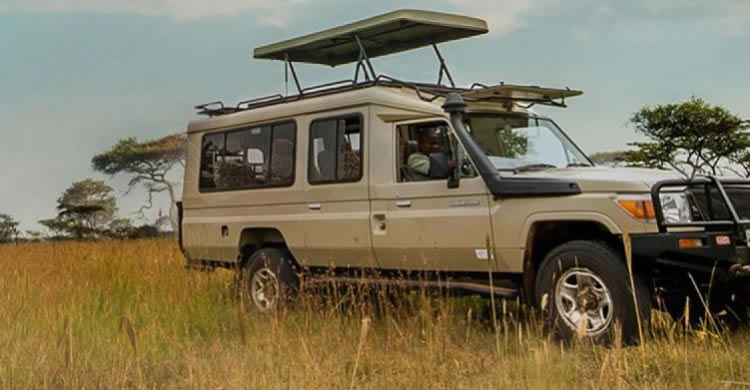
Southern Tanzania Big Five Self-Drive Safari: Explore Africa’s Untamed Wilderness
A Southern Tanzania Big Five self-drive safari is an extraordinary opportunity to discover some of Africa’s most remote and fascinating wildlife destinations. Far from the busy northern safari circuit, Southern Tanzania offers vast wilderness landscapes, impressive wildlife populations, beautiful river systems and exciting opportunities for independent exploration.
Imagine driving through the expansive savannahs of Nyerere National Park, watching elephants gather along the Rufiji River, encountering lions resting beneath ancient trees and searching for elusive leopards in the woodland. Continue towards Ruaha National Park, where enormous elephant herds, large buffalo populations and powerful predators inhabit one of Tanzania’s most spectacular wilderness ecosystems.
Southern Tanzania is particularly attractive to experienced safari travellers, photographers, overlanders and adventurers looking for a more secluded African safari experience.
The famous African Big Five consists of five iconic wildlife species: the lion, leopard, elephant, African buffalo and rhinoceros. Although Southern Tanzania offers outstanding opportunities to encounter several of these animals, travellers should understand that the region does not offer the same reliable opportunities to see all five species as the northern safari destinations, particularly Ngorongoro and Serengeti.
With a suitable 4×4 self-drive safari vehicle, careful planning and an adventurous spirit, you can explore Southern Tanzania’s remarkable national parks while enjoying the freedom of independent travel.
Whether you are planning a private wildlife adventure, a camping expedition or an extended overland journey, a Southern Tanzania self-drive safari offers an unforgettable way to experience Africa’s untamed wilderness.
Understanding the African Big Five
The term Big Five originally referred to five African animals considered particularly challenging and dangerous to hunt on foot. Today, it is widely associated with wildlife conservation and photographic safaris.
For many travellers, encountering all five species is one of the greatest highlights of an African safari.
Southern Tanzania is particularly rewarding for travellers interested in elephants, lions, leopards and buffaloes. Rhinoceros sightings require special consideration because suitable populations are limited and not regularly accessible to independent safari visitors.
1. African Lion
The African lion is one of Southern Tanzania’s most impressive predators.
Ruaha National Park is particularly famous for its lion populations and offers excellent opportunities to observe these powerful animals in their natural environment.
Lions can be encountered resting beneath trees, moving across open grasslands or hunting around areas frequented by zebras, giraffes and buffaloes.
Nyerere National Park also supports important lion populations, providing additional opportunities for predator viewing.
For wildlife photographers, the southern parks offer exciting opportunities to observe natural predator behaviour in beautiful and relatively remote landscapes.
2. African Leopard
The African leopard is one of the most elusive members of the Big Five.
Its excellent camouflage, solitary behaviour and ability to climb trees make it one of the most challenging animals to encounter during a safari.
Ruaha and Nyerere both provide suitable habitats for leopards, particularly around woodland areas, rocky landscapes and riverine vegetation.
Leopards are generally more difficult to spot than lions and elephants because of their secretive behaviour and preference for dense vegetation.
Patience, careful observation and a little luck are essential when searching for this magnificent predator.
3. African Elephant
Southern Tanzania is one of the country’s most important elephant regions.
Ruaha National Park is particularly famous for its large elephant populations, while Nyerere National Park provides additional opportunities to observe these impressive mammals across extensive wilderness landscapes.
Elephants can often be seen moving through woodland, feeding on vegetation and gathering around rivers and seasonal water sources.
The Great Ruaha River and Rufiji River are important features of the southern safari ecosystem, attracting wildlife throughout the year.
Observing elephant families moving through these beautiful landscapes is among the most rewarding experiences of a Southern Tanzania self-drive safari.
4. African Buffalo
African buffaloes are among the most commonly encountered members of the Big Five in Southern Tanzania.
Large herds inhabit the grasslands, woodland and riverine ecosystems of Ruaha and Nyerere National Parks.
Buffaloes are particularly fascinating because of their impressive size, strong social behaviour and ability to move across challenging landscapes.
They are also an important prey species for lions, making buffalo herds an interesting feature of predator-prey interactions in the southern parks.
Always maintain a safe distance because buffaloes can be unpredictable and dangerous.
5. African Rhinoceros
The rhinoceros is generally the most challenging member of the Big Five to encounter in Southern Tanzania.
Unlike the northern safari circuit, where Ngorongoro Conservation Area provides an important black rhino viewing opportunity, Southern Tanzania does not offer reliable rhino sightings as part of an ordinary self-drive itinerary.
Black rhinos have historically been associated with parts of the southern conservation landscape, including the wider Selous ecosystem, but visitors should not plan a safari expecting to see them.
Travellers whose primary objective is completing the Big Five checklist should consider combining Southern Tanzania with Ngorongoro Conservation Area or another established rhino conservation destination.
Best National Parks for a Southern Tanzania Big Five Self-Drive Safari
Southern Tanzania has several remarkable protected areas, each offering different wildlife experiences, landscapes and safari opportunities.
Nyerere National Park
Nyerere National Park is one of Africa’s largest protected wilderness areas and a highlight of any Southern Tanzania safari.
Located in southeastern Tanzania, the park protects extensive landscapes characterised by open grasslands, woodland, seasonal lakes, wetlands and the magnificent Rufiji River system.
The park supports large populations of elephants, lions, leopards, buffaloes, giraffes, zebras, hippos and crocodiles.
The Rufiji River is one of the region’s most important natural attractions, providing essential water for wildlife and supporting diverse riverine habitats.
Visitors can enjoy traditional game drives, wildlife photography and boat safari experiences in designated areas where these activities are permitted.
For independent travellers, Nyerere offers an exciting opportunity to explore a vast wilderness environment and discover a different side of Tanzania’s safari industry.
However, travellers should carefully plan their routes, fuel requirements, park access and accommodation because of the park’s enormous size.
Ruaha National Park
Ruaha National Park is one of Tanzania’s most spectacular wildlife destinations and a favourite among experienced safari enthusiasts.
The park is famous for its impressive elephant populations, large buffalo herds and outstanding predator diversity.
Its landscapes include ancient baobab trees, rocky hills, seasonal rivers and expansive savannah woodlands.
The Great Ruaha River is particularly important during the dry season, attracting elephants, buffaloes and numerous other wildlife species.
Lions are among the park’s most celebrated predators, while leopards and other carnivores add to its exceptional wildlife diversity.
Ruaha is an excellent destination for travellers looking for a quieter safari experience away from the busier northern circuit.
Its remote character makes it particularly attractive to experienced self-drive travellers and overlanders who enjoy exploring less-developed wilderness routes.
Mikumi National Park
Mikumi National Park is one of the most accessible wildlife destinations in Southern Tanzania.
Located along the main road connecting Dar es Salaam with Morogoro and Iringa, Mikumi is an excellent choice for travellers planning shorter safari adventures.
The park’s Mkata Floodplain is particularly famous for its open savannah landscapes, providing excellent opportunities to observe elephants, giraffes, zebras, buffaloes and lions.
Leopards are also present, although they are more difficult to encounter.
Mikumi is particularly suitable for combining wildlife viewing with road trips between Dar es Salaam, Iringa and Ruaha National Park.
For visitors with limited time, it offers a convenient introduction to Southern Tanzania’s wildlife.
Udzungwa Mountains National Park
Udzungwa Mountains National Park offers a completely different experience from the traditional savannah safari destinations.
Known for its tropical forests, waterfalls, endemic wildlife and exceptional biodiversity, Udzungwa is particularly attractive to nature enthusiasts and hikers.
Visitors can enjoy guided forest walks, explore beautiful waterfalls and discover unique primate species.
Although Udzungwa is not a Big Five destination, it is an excellent addition to an extended Southern Tanzania self-drive adventure.
Katavi National Park
For experienced overlanders seeking remote wilderness exploration, Katavi National Park offers one of Tanzania’s most secluded safari experiences.
Located in western Tanzania, the park is famous for its enormous buffalo herds, elephants, hippos and crocodiles.
Its seasonal lakes and floodplains create important wildlife habitats, particularly during the dry season.
Lions and leopards also inhabit the park, although sightings depend on location and season.
Katavi is particularly attractive to travellers seeking an adventurous safari far from the more established tourism routes.
Its remote location means visitors should carefully prepare for fuel availability, accommodation, vehicle reliability and park access requirements.
Recommended Southern Tanzania Big Five Self-Drive Safari Itinerary
A Southern Tanzania safari can be designed around several destinations, depending on your available time, preferred wildlife experiences and starting location.
The following suggested 12-day itinerary combines the region’s most accessible and rewarding wildlife destinations.
Day 1: Dar es Salaam – Vehicle Collection and Safari Preparation
Arrive in Dar es Salaam or collect your rental vehicle from your preferred location.
Complete your vehicle inspection, organise your camping equipment and prepare for the journey towards Mikumi.
Days 2–3: Mikumi National Park
Drive from Dar es Salaam towards Mikumi National Park.
Enjoy wildlife viewing across the Mkata Floodplain and search for elephants, lions, buffaloes, giraffes and zebras.
Explore the park’s open grasslands and woodland habitats.
Days 4–5: Udzungwa Mountains National Park
Continue towards Udzungwa for a nature experience away from traditional game drives.
Explore the forest trails, discover beautiful waterfalls and enjoy the region’s remarkable biodiversity.
Days 6–8: Ruaha National Park
Drive towards Ruaha for an extended wildlife adventure.
Search for elephants, lions, leopards and buffaloes while enjoying the park’s spectacular baobab landscapes and river systems.
Allow sufficient time to explore different areas of the park.
Days 9–11: Nyerere National Park
Continue towards Nyerere National Park for a different southern wilderness experience.
Explore authorised game-drive routes and enjoy the remarkable scenery around the Rufiji River system.
Where available and permitted, consider adding a guided boat safari to your itinerary.
Day 12: Return to Dar es Salaam
Begin your return journey towards Dar es Salaam, allowing sufficient time for the long-distance drive and vehicle return arrangements.
This itinerary can be modified according to road conditions, park access, accommodation availability and the preferred direction of travel.
Travellers wanting to include Katavi should consider a longer expedition because of its remote location.
Best Time for a Southern Tanzania Big Five Self-Drive Safari
Southern Tanzania offers wildlife viewing throughout the year, although seasonal changes influence road conditions, vegetation and animal movements.
June to October: Dry Season
The dry season is generally one of the best periods for wildlife viewing in Ruaha, Mikumi and Nyerere.
As seasonal water sources disappear, animals increasingly gather around permanent rivers and water points.
Vegetation becomes thinner, making wildlife easier to observe.
However, some remote roads may be dusty and challenging, particularly in areas with loose sand and rocky surfaces.
November to December: Short Rain Season
The short rains transform Southern Tanzania’s landscapes into beautiful green environments.
Wildlife viewing remains rewarding, although some roads may become muddy following rainfall.
This period is particularly attractive to photographers interested in dramatic skies and lush landscapes.
January to March: Green Season
The green season offers beautiful scenery, active birdlife and opportunities to experience Tanzania’s wilderness during a quieter period.
Some areas may experience heavy rainfall, so travellers should check road accessibility before beginning their journey.
April to May: Long Rain Season
The long rains can make some remote park roads difficult or inaccessible.
Travellers planning a self-drive safari during this period should seek updated advice from park authorities and their vehicle rental provider.
Choosing the Best 4×4 Vehicle for a Southern Tanzania Self-Drive Safari
A reliable 4×4 safari vehicle is essential for exploring Southern Tanzania independently.
Compared with the northern circuit, some southern destinations involve longer driving distances, more remote routes and fewer convenient fuel and service facilities.
Choosing a suitable vehicle is therefore particularly important.
Toyota Land Cruiser 70 Series
The Land Cruiser 70 Series is an excellent choice for serious safari enthusiasts and overlanders.
Its robust construction, high ground clearance and off-road capabilities make it suitable for extended journeys through remote wilderness landscapes.
It is particularly practical for travellers planning rooftop tent camping.
Toyota Land Cruiser Prado
The Land Cruiser Prado combines comfort, practicality and off-road performance.
It is suitable for couples, families and small groups planning established southern safari routes.
Toyota Land Cruiser 100 Series
The Land Cruiser 100 Series provides spacious seating and comfortable long-distance travel.
It is an excellent option for travellers who want additional interior space and a comfortable vehicle for extended safari adventures.
Toyota Hilux 4×4
The Toyota Hilux is a versatile choice for independent travellers and overlanders.
With a suitable rooftop tent, camping equipment and practical storage arrangements, it provides an excellent platform for exploring Southern Tanzania.
Essential Equipment for a Southern Tanzania Self-Drive Safari
Because many Southern Tanzania destinations are relatively remote, proper vehicle preparation is essential.
Recommended equipment includes:
- Reliable 4×4 vehicle with suitable ground clearance.
- Two spare tyres where possible.
- Recovery equipment and basic mechanical tools.
- First-aid kit.
- Offline navigation maps.
- Reliable communication and emergency support arrangements.
- Refrigerator or cooler box.
- Sufficient drinking water.
- Camping equipment for overnight camping.
- Rooftop tent, mattress and bedding.
- Cooking equipment, camping table and chairs.
- Appropriate vehicle insurance and roadside assistance.
- Adequate fuel planning and emergency supplies.
For longer journeys to Ruaha, Nyerere or Katavi, travellers should also establish where fuel and mechanical support will be available before departure.
Important Tips for Self-Driving in Southern Tanzania’s National Parks
Independent safari travel requires careful planning, especially in remote areas.
Before beginning your journey, consider the following recommendations:
- Obtain the necessary park entry and vehicle permits.
- Confirm current self-drive access and permitted routes.
- Respect park opening hours and official driving restrictions.
- Observe posted speed limits.
- Remain on authorised roads and designated tracks.
- Maintain a safe distance from wildlife.
- Never feed, chase or disturb wild animals.
- Avoid driving through flooded or unsuitable roads.
- Carry adequate fuel, water and emergency supplies.
- Check current road conditions and weather forecasts.
- Confirm accommodation and camping arrangements in advance.
- Follow instructions from park authorities and conservation staff.
Some Southern Tanzania destinations have limited facilities and challenging road conditions. A well-maintained vehicle and appropriate preparation are essential.
Why Choose a Southern Tanzania Big Five Self-Drive Safari?
Southern Tanzania offers a different atmosphere from the popular northern safari circuit.
Its expansive landscapes, remote wilderness areas and relatively secluded safari experiences make it particularly attractive to travellers seeking independence and adventure.
Explore less-crowded wilderness: Discover destinations such as Ruaha and Nyerere, where vast landscapes offer a more remote safari atmosphere.
Enjoy wildlife photography: Spend time observing elephants, lions, buffaloes and other wildlife while capturing the extraordinary scenery.
Experience independent travel: Create your own itinerary and explore Southern Tanzania at your preferred pace.
Combine wildlife with camping: Enjoy rooftop tent camping and extended overland journeys through some of Tanzania’s most beautiful landscapes.
Discover different ecosystems: Combine savannah wildlife, river systems, mountain forests and spectacular waterfalls within one adventure.
Explore beyond the northern circuit: Discover a different side of Tanzania through its remarkable southern and western wilderness destinations.
Frequently Asked Questions About Southern Tanzania Big Five Self-Drive Safaris
Can I see all the Big Five on a Southern Tanzania self-drive safari?
Southern Tanzania offers excellent opportunities to encounter lions, leopards, elephants and buffaloes. However, rhinos are not a reliable sighting in the region’s regular self-drive destinations. Travellers hoping to see all five should consider adding Ngorongoro Conservation Area to their itinerary.
Which national park is best for a Southern Tanzania Big Five safari?
Ruaha National Park and Nyerere National Park are among the region’s strongest choices for observing lions, leopards, elephants and buffaloes. Both offer excellent wildlife experiences across extensive wilderness landscapes.
Can I self-drive in Ruaha National Park?
Self-drive visits are possible, subject to current park regulations, vehicle requirements and access conditions. Travellers should confirm the latest arrangements with park authorities before departure.
Can I self-drive in Nyerere National Park?
Independent visits may be arranged in permitted areas, subject to current park regulations and route restrictions. Because of the park’s size and remote conditions, careful planning is essential.
Is a Toyota Land Cruiser necessary for Southern Tanzania?
A capable 4×4 is strongly recommended, particularly for remote routes and challenging park tracks. Land Cruiser models are popular choices for extended safari and overland journeys.
How many days do I need for a Southern Tanzania safari?
Seven to ten days can provide a rewarding introduction to Mikumi and Ruaha. Travellers wanting to combine Mikumi, Udzungwa, Ruaha and Nyerere should consider approximately twelve to fourteen days or longer.
Can I combine Southern Tanzania with Northern Tanzania?
Absolutely. You can combine Ruaha or Nyerere with Serengeti and Ngorongoro for a longer safari covering Tanzania’s major wildlife ecosystems. However, allow enough time for the substantial distances between these destinations.
Is Southern Tanzania suitable for camping safaris?
Yes. Camping is an excellent way to experience Southern Tanzania. Visitors should use designated campsites and confirm current camping availability and regulations within each protected area.
Can I start my Southern Tanzania self-drive safari in Dar es Salaam?
Yes. Dar es Salaam is an excellent starting point for a southern safari itinerary, particularly for travellers planning to visit Mikumi, Udzungwa, Ruaha and Nyerere.
Plan Your Southern Tanzania Self-Drive Safari with Self Drive Tanzania
A Southern Tanzania self-drive safari is more than a traditional wildlife holiday. It is an opportunity to discover Africa’s untamed wilderness, explore remote landscapes and encounter some of the continent’s most magnificent animals.
From the enormous elephant herds and powerful predators of Ruaha to the spectacular river ecosystems of Nyerere, the open savannahs of Mikumi and the forests of Udzungwa, Southern Tanzania offers an incredible variety of independent travel experiences.
At Self Drive Tanzania, we help travellers discover the country’s southern safari destinations with reliable 4×4 vehicles, suitable camping equipment and practical travel support.
Whether you are planning a short Mikumi safari, an extended Ruaha adventure, a Nyerere camping expedition or a multi-week Southern Tanzania overland journey, we can help you select a suitable vehicle for your travel plans.
Explore our 4×4 car rental in Tanzania, discover our Toyota Land Cruiser rental options and consider our rooftop tent car rental packages for an unforgettable independent safari.
You can also combine your adventure with a Northern Tanzania self-drive safari, Serengeti wildlife safari or East Africa overland expedition to discover even more of the region.
Contact Self Drive Tanzania today to arrange your Southern Tanzania self-drive safari and experience the freedom of exploring Africa’s untamed wilderness!