Essential Tips for Preparing for a Wildlife Safari from Dar es Salaam
There are wildlife experiences you enjoy, and then there are those that stay with you long after you have returned home.
A wildlife safari from Dar es Salaam can be the beginning of one of those unforgettable African adventures.
Dar es Salaam is Tanzania’s largest city and an important gateway to the country’s southern and eastern safari destinations. While many travellers associate Tanzania primarily with Arusha and the famous northern safari circuit, Dar es Salaam provides convenient access to a different side of the country.
From the city, travellers can head towards Mikumi National Park, Nyerere National Park, Udzungwa Mountains National Park and Ruaha National Park, creating an exciting southern Tanzania safari circuit. The coast also makes it possible to combine wildlife with beaches, islands and Indian Ocean culture.
For independent travellers, Dar es Salaam can also be the starting point for a Tanzania self-drive safari, with a suitable 4×4 rental vehicle providing the freedom to explore the country’s southern and central regions at your own pace.
However, preparing for a safari from Dar es Salaam requires some planning. Road distances can be considerable, safari roads can be rough, weather conditions can change, and some remote areas have limited fuel, accommodation and mobile-network coverage.
Here are some essential tips for preparing for your wildlife safari from Dar es Salaam.
Decide What Kind of Safari You Want
Your first step should be deciding what you want from your Tanzania safari.
Dar es Salaam provides access to several different types of safari experiences.
You may want a short wildlife escape from the city, a longer southern Tanzania safari, a self-drive road trip, a camping adventure or a combination of wildlife and beach experiences.
For a short trip, Mikumi National Park is one of the most practical options.
For a longer wilderness adventure, you can consider Nyerere, Udzungwa and Ruaha.
If you have even more time, you can create a longer road trip connecting southern Tanzania with central or northern destinations.
Start With Mikumi National Park
Mikumi National Park is one of the most accessible safari destinations from Dar es Salaam.
Its location makes it particularly attractive for travellers who have limited time but still want to experience Tanzania’s wildlife.
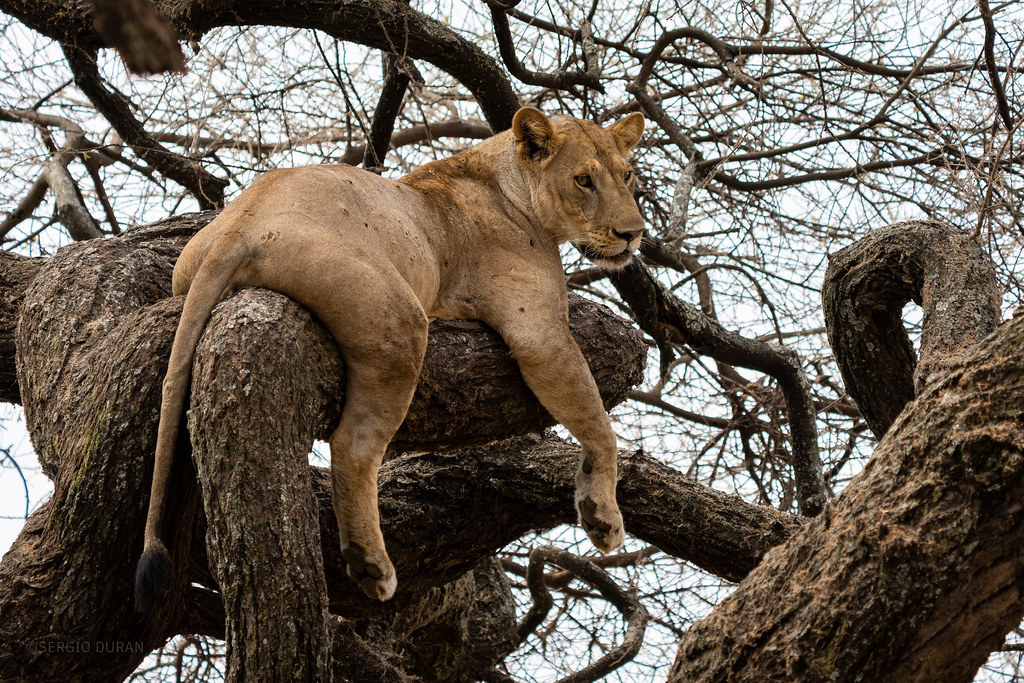
The park’s open landscapes provide opportunities to see elephants, giraffes, zebras, buffaloes, hippos, lions and numerous other species.
Mikumi can work well as a short safari from Dar es Salaam or as the first stop on a longer southern Tanzania road trip.
For self-drive travellers, it can also be a convenient introduction to driving between Tanzania’s major cities and national parks.
Explore Nyerere National Park
For travellers who have more time, Nyerere National Park offers a much larger wilderness experience.
The park contains extensive areas of woodland, grassland, rivers and lakes, with the Rufiji River forming an important part of its ecosystem.
Wildlife can include elephants, hippos, crocodiles, giraffes, buffaloes, lions, wild dogs and numerous bird species.
One of the special features of Nyerere is the opportunity to experience wildlife from the water.
A boat safari on the Rufiji River can provide a completely different perspective from a conventional game drive, particularly for observing hippos, crocodiles and waterbirds.
Nyerere can be combined with Mikumi and other southern Tanzania destinations for a longer safari.
Add Udzungwa Mountains to Your Itinerary
If you want to experience something beyond traditional game drives, consider Udzungwa Mountains National Park.
The park is part of the Eastern Arc Mountains and is known for its forests, mountains, waterfalls, hiking opportunities and biodiversity.
Unlike a conventional savannah safari, Udzungwa is particularly suitable for travellers interested in hiking and nature.
The combination of Udzungwa with Mikumi or Nyerere can add considerable variety to a southern Tanzania itinerary.
Continue to Ruaha National Park
Travellers with more time can continue deeper into southern Tanzania towards Ruaha National Park.
Ruaha is famous for its expansive landscapes, elephants, lions, buffaloes and diverse wildlife.
Its remote character makes it attractive to travellers looking for a wilderness experience away from the busier safari routes.
A Dar es Salaam-to-Ruaha road trip requires more time and preparation than a short Mikumi safari, but the journey can become part of the adventure itself.
Consider a Southern Tanzania Safari Circuit
One of the advantages of starting your safari in Dar es Salaam is the possibility of creating a southern Tanzania circuit.
Depending on your available time, a route could include:
Dar es Salaam → Mikumi → Udzungwa → Ruaha → Nyerere → Dar es Salaam
Another itinerary might focus on:
Dar es Salaam → Nyerere → Mikumi → Dar es Salaam
The exact route should be adjusted according to road conditions, the season, accommodation availability and the time you have available.
Do not attempt to squeeze too many destinations into a short trip.
Southern Tanzania is large, and travel between parks can take considerable time.
Consider a Self-Drive Safari From Dar es Salaam
Dar es Salaam is an excellent starting point for travellers who enjoy independent road trips.
A self-drive safari gives you the freedom to decide when to leave, where to stop and how long to spend at different destinations.
It can also make it possible to combine wildlife with Tanzania’s cities, mountains, villages and coast.
However, self-driving in Tanzania is different from driving on ordinary city or highway routes.
Inside national parks, roads may be dusty, sandy, muddy or uneven.
You should therefore use a reliable 4×4 vehicle and have a clear understanding of the route before setting out.
Choose the Right 4×4 Rental Vehicle
Choosing the right vehicle is one of the most important decisions for a self-drive safari from Dar es Salaam.
A suitable vehicle should be reliable, comfortable and capable of handling rough roads.
Depending on your itinerary, options may include a Toyota Land Cruiser, Toyota Hilux or another properly equipped 4WD vehicle.
If you are camping, consider a vehicle equipped with a rooftop tent and appropriate camping equipment.
Useful equipment can include:
- Rooftop tent
- Mattress
- Sleeping bags
- Refrigerator
- Cooking equipment
- Gas stove
- Table and chairs
- Water containers
- Recovery equipment
- Compressor
- Spare tyres
- Basic tools
Before renting a vehicle, ask about insurance, excess, mileage, breakdown support and whether the vehicle is permitted inside the national parks you plan to visit.
Prepare for Long Distances
One of the most important things to understand about a safari from Dar es Salaam is that Tanzania is a large country.
A destination may appear relatively close on a map, but the actual journey can take many hours.
Road conditions, traffic, construction, weather and stops along the way can all increase travel time.
Avoid planning long driving days immediately before important safari activities.
If you are travelling to Ruaha or other remote destinations, consider allowing extra time in your schedule in case road conditions slow you down.
A relaxed itinerary is generally more enjoyable than one built around constant driving.
Check Fuel Availability
Fuel planning is especially important on longer southern Tanzania road trips.
Major towns and cities generally have fuel stations, but remote safari areas have fewer options.
Do not assume that you will find a fuel station whenever you need one.
Before entering remote areas, confirm where your next reliable fuel stop will be.
If you are renting a 4×4, ask the rental company about the vehicle’s fuel capacity and expected range.
This is particularly important for travellers planning routes through remote areas of southern and western Tanzania.
Pack the Right Safari Clothing
Dar es Salaam itself is generally warm and coastal, but safari destinations can have very different conditions.
Early mornings in inland areas can be cool, while afternoons may become hot.
Pack clothing that allows you to adapt to changing temperatures.
Useful items include:
- Lightweight trousers
- Long-sleeved shirts
- Comfortable walking shoes
- Light fleece or jacket
- Waterproof jacket
- Hat or cap
- Sunglasses
- Sunscreen
- Insect repellent
- Comfortable daypack
- Reusable water bottle
- Binoculars
- Camera and spare batteries
Long sleeves and trousers also provide protection from insects and the sun.
Bring Binoculars
Binoculars can significantly improve your safari experience.
Wildlife does not always appear close to the road.
You may see an eagle perched in a distant tree, a giraffe several hundred metres away or a group of elephants moving across an open plain.
Binoculars allow you to observe these animals in greater detail without disturbing them.
They are also useful for birdwatching, particularly around Nyerere and other wetlands.
Protect Your Camera and Electronics
Safari roads can be dusty, particularly during dry periods.
Protect cameras, smartphones and other electronic equipment from dust and moisture.
Consider carrying:
- Spare batteries
- Extra memory cards
- Power bank
- Lens-cleaning equipment
- Protective camera bag
- Waterproof storage
If you are camping, keep electronic equipment protected overnight and avoid leaving sensitive devices exposed to excessive heat.
Prepare for Early-Morning Game Drives
Some of the best wildlife viewing happens during the early morning.
Animals are often active when temperatures are cooler, and sunrise can provide beautiful light for photography.
This means you may need to wake up very early.
Prepare your clothes and equipment the night before so that you are ready to leave your accommodation or campsite on time.
A warm layer is useful because inland mornings can be considerably cooler than Dar es Salaam.
Follow Wildlife Safety Rules
Wild animals are unpredictable.
Never leave your safari vehicle in a national park unless you are in an authorised area and have been told that it is safe.
Do not approach animals on foot.
Do not feed wildlife or attempt to attract their attention.
Avoid shouting or making unnecessary noise around animals.
If you are self-driving, remember that you are responsible for following the park’s regulations and should never take unnecessary risks simply to obtain a photograph.
Wildlife viewing should always prioritise safety and conservation.
Be Patient During Game Drives
A safari is not a zoo visit.
Animals move freely through their natural environment.
You may spend hours looking for a leopard before suddenly spotting one resting in a tree.
A pride of lions may be sleeping when you first encounter them.
Elephants may disappear into woodland and reappear somewhere completely different.
Patience is therefore one of the most valuable qualities you can bring to a safari.
Enjoy the landscape, birds and smaller animals while waiting for the bigger sightings.
Look Beyond the Big Five
The Big Five — lion, leopard, elephant, buffalo and rhino — are among the most famous safari attractions.
But southern Tanzania offers much more.
Look for:
- Giraffes
- Zebras
- Wildebeest
- Hippos
- Crocodiles
- Hyenas
- Wild dogs
- Warthogs
- Antelopes
- Monkeys
- Baboons
- Birds of prey
- Waterbirds
Nyerere is particularly interesting for travellers who want to experience wildlife around rivers and wetlands, while Udzungwa adds forest and mountain biodiversity to the safari experience.
Budget Beyond Park Fees
When planning your safari from Dar es Salaam, remember that park entry fees are only one part of the total cost.
Your budget may include:
- 4×4 vehicle rental
- Fuel
- Park entry fees
- Camping fees
- Accommodation
- Food
- Driver-guide if applicable
- Boat safari
- Walking activities
- Travel insurance
- Airport or hotel transfers
- Camping equipment
- Vehicle insurance
- Insurance excess
- Emergency expenses
Self-drive travellers should ask for a complete rental quotation that clearly explains what is included and excluded.
Choose Accommodation According to Your Route
Dar es Salaam has a wide range of hotels, while safari destinations offer lodges, tented camps, guesthouses and campsites.
When booking accommodation, consider your daily driving distances.
Staying closer to the park or your next destination can save time and reduce unnecessary driving.
Camping is another option for travellers who want greater independence.
If you plan to camp, confirm whether the campsite provides water, toilets, showers, cooking areas and other basic facilities.
Remote campsites may have very limited services.
Consider Combining Safari and Beach
One of the biggest advantages of beginning your trip in Dar es Salaam is the easy opportunity to combine wildlife with the Indian Ocean coast.
After exploring southern Tanzania, you can return towards the coast or continue to other coastal destinations.
Travellers can combine a safari with time in Zanzibar, or explore mainland coastal destinations such as Bagamoyo, Pangani and other areas.
This creates a varied holiday combining wildlife, culture, history and beaches.
Plan Your Dar es Salaam Arrival Carefully
Dar es Salaam can be busy, particularly during peak traffic periods.
If you are collecting a rental vehicle in the city, allow sufficient time for vehicle inspection, documentation and briefing before beginning your safari.
Check the vehicle carefully before departure.
Confirm:
- Spare tyres
- Jack
- Tools
- Recovery equipment
- Lights
- Tyres
- Brakes
- Seat belts
- Fuel level
- Camping equipment
- Refrigerator
- Vehicle documents
Take note of any existing damage and ensure it is recorded in the rental documentation.
Carry Important Travel Documents
Keep your travel and vehicle documents secure and accessible.
These may include:
- Passport
- Visa or entry documentation
- Driving licence
- International Driving Permit where applicable
- Rental agreement
- Insurance documentation
- Park confirmations
- Accommodation bookings
- Emergency contacts
If you intend to cross into another country, confirm all border and vehicle requirements with your rental company before departure.
Do not assume that a rental vehicle can automatically cross an international border.
Check the Weather Before Leaving Dar es Salaam
Dar es Salaam’s coastal climate can be very different from conditions inland.
Before beginning your safari, check the weather forecast for each destination rather than relying only on conditions in the city.
Rain can affect unpaved roads, while dry weather can create dusty conditions.
During wetter periods, allow additional travel time and make sure your vehicle is properly equipped for difficult road conditions.
Choose a Responsible Safari Operator or Rental Company
Whether you are booking a guided safari or renting a 4×4 for self-drive, choose your service provider carefully.
Ask clear questions before paying a deposit.
For a guided safari, confirm:
- Vehicle type
- Driver-guide
- Accommodation
- Park fees
- Meals
- Activities
- Itinerary
- Cancellation terms
For a self-drive rental, ask about:
- Vehicle model
- 4WD capability
- Insurance
- Insurance excess
- Mileage
- Camping equipment
- Recovery equipment
- Spare tyres
- Breakdown support
- Park access
- Cross-border permission
Clear information before departure can prevent unnecessary problems later.
Respect Local Communities
Southern Tanzania is home to many communities with diverse traditions and cultures.
If your itinerary includes a village or cultural experience, approach the visit respectfully.
Ask permission before photographing people and follow local customs.
Buying locally produced crafts and using community-based tourism services can help ensure that tourism benefits local communities.
Protect Tanzania’s Natural Environment
The parks and protected areas around Dar es Salaam are valuable conservation areas.
Visitors should help protect them.
Do not leave rubbish behind.
Avoid unnecessary plastic waste.
Do not remove plants, rocks, feathers or other natural objects from protected areas.
Stay on authorised routes and follow park regulations.
Responsible tourism helps preserve these destinations for future generations.
Consider a Longer Southern Tanzania Road Trip
If you have sufficient time, starting in Dar es Salaam allows you to explore several of Tanzania’s southern attractions by road.
A possible extended itinerary could include:
Dar es Salaam → Mikumi → Udzungwa → Ruaha → Nyerere → Dar es Salaam
Travellers with additional time can modify the route according to their interests.
Wildlife lovers may spend longer in Ruaha and Nyerere.
Hiking enthusiasts can dedicate additional time to Udzungwa.
Travellers interested in beaches can add Zanzibar or the mainland coast.
The flexibility of a self-drive journey makes it possible to create an itinerary around your own interests.
Do Not Try to See Everything
Tanzania is a large country, and one of the biggest mistakes travellers can make is attempting to visit too many destinations during a short holiday.
Instead of spending most of your trip driving between parks, choose a few destinations and give yourself enough time to enjoy them.
For example, a four- or five-day safari may work better when focused on Mikumi and Nyerere rather than attempting to add Ruaha as well.
Travellers with two weeks or more can consider a wider southern circuit.
Make Your Dar es Salaam Safari Unforgettable
A wildlife safari from Dar es Salaam can be much more than a quick trip to a national park.
It can become a complete East African adventure combining wildlife, road travel, mountains, forests, local cultures and the Indian Ocean coast.
Whether you choose a short trip to Mikumi, explore the waterways of Nyerere, hike through the forests of Udzungwa or travel deep into the wilderness of Ruaha, southern Tanzania offers an extraordinary variety of experiences.
For independent travellers, a reliable 4×4 rental from Dar es Salaam can provide the freedom to explore these destinations at your own pace.
Prepare carefully, choose the right vehicle, allow enough time for long journeys, carry appropriate equipment and always respect wildlife and park regulations.
Most importantly, do not rush.
A safari is about more than ticking animals off a list.
It is about watching the sunrise over the savannah, hearing birds calling in the distance, seeing elephants move through the wilderness and experiencing Tanzania’s landscapes at your own pace.
When you return to Dar es Salaam after your journey, the memories of the road, the wildlife and the landscapes may stay with you long after the safari itself is over.
Frequently Asked Questions About Wildlife Safaris From Dar es Salaam
What is the closest national park to Dar es Salaam?
Mikumi National Park is one of the most accessible major safari destinations from Dar es Salaam by road and is a popular choice for short safari trips.
Can I start a Tanzania safari from Dar es Salaam?
Yes. Dar es Salaam is an important starting point for safaris to southern Tanzania, including Mikumi, Nyerere, Udzungwa and Ruaha.
Can I rent a 4×4 in Dar es Salaam for a safari?
Yes. Travellers can arrange suitable 4×4 rental vehicles for self-drive safari and road trips. Depending on the rental company and vehicle, camping equipment may also be available.
Is self-driving from Dar es Salaam to a national park possible?
Yes, experienced travellers can drive from Dar es Salaam to several national parks. A suitable 4×4, careful route planning and an understanding of park regulations are important.
Which is better for a short safari from Dar es Salaam: Mikumi or Nyerere?
Both provide different experiences. Mikumi is convenient for a shorter road safari, while Nyerere offers a larger wilderness environment and additional activities such as boat safaris. Your choice should depend on the time available and the experiences you want.
Can I visit Ruaha from Dar es Salaam?
Yes. Ruaha can be reached as part of a longer southern Tanzania itinerary. Because of the distance and road conditions, it is better suited to travellers with sufficient time.
Can I combine Mikumi and Nyerere?
Yes. Mikumi and Nyerere can be combined into a southern Tanzania safari, subject to your available time and preferred route.
Can I combine a Dar es Salaam safari with Zanzibar?
Yes. A safari from Dar es Salaam can be combined with a Zanzibar beach holiday, creating a trip that includes both wildlife and the Indian Ocean.
What vehicle should I use for a self-drive safari from Dar es Salaam?
A reliable 4WD vehicle is generally recommended. Depending on your route and camping plans, a Toyota Land Cruiser, Toyota Hilux or another suitable 4×4 can be appropriate.
Do I need camping equipment for a self-drive safari?
Not necessarily. You can choose accommodation-based safaris or rent a vehicle equipped with camping equipment. Rooftop tents are a popular option for travellers planning independent camping adventures.
What should I pack for a safari from Dar es Salaam?
Pack lightweight clothing, long trousers, long-sleeved shirts, comfortable shoes, a warm layer, waterproof jacket, hat, sunscreen, insect repellent, binoculars, camera equipment and a reusable water bottle.
How many days do I need for a southern Tanzania safari?
The ideal duration depends on the destinations you want to visit. A short trip can focus on Mikumi or Nyerere, while a longer itinerary allows you to include Udzungwa and Ruaha.
Can I drive from Dar es Salaam to the northern safari circuit?
Yes, it is possible to travel between southern and northern Tanzania, but the distances are substantial. Travellers should allow sufficient time and plan the route carefully.
Why choose Dar es Salaam as a safari starting point?
Dar es Salaam provides convenient access to southern Tanzania while also allowing travellers to combine a safari with coastal and beach destinations. It is particularly useful for travellers interested in Mikumi, Nyerere, Udzungwa, Ruaha and self-drive road trips.