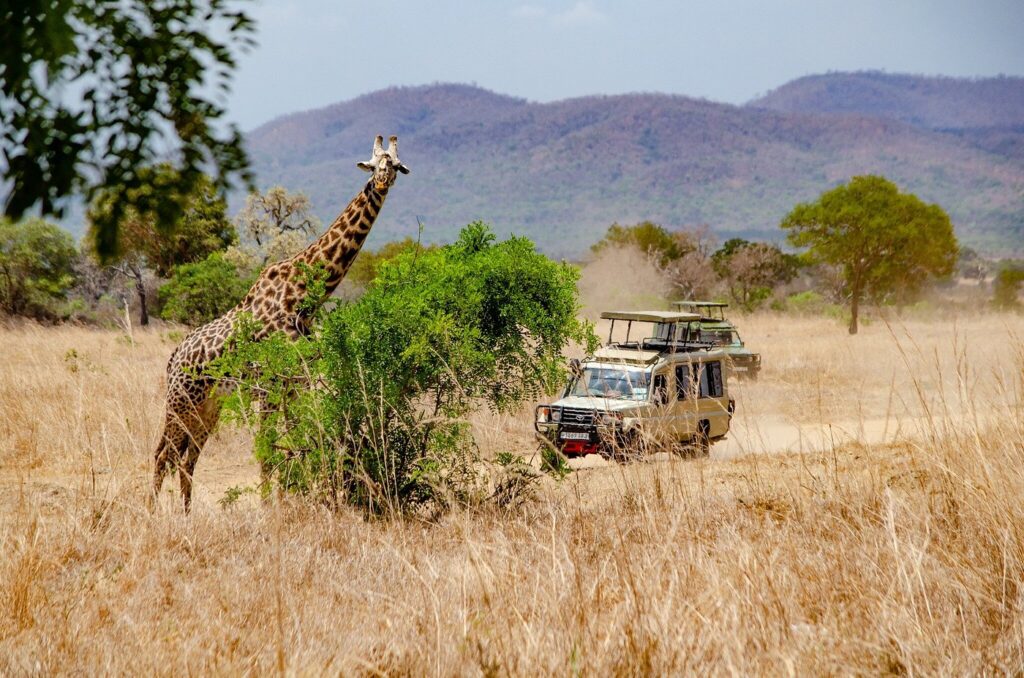
A Guide to Inyonga Game Reserve, Tanzania
Inyonga Game Reserve is one of the lesser-known wildlife areas of western Tanzania, offering adventurous travellers an opportunity to explore a vast and relatively remote wilderness away from the country’s busiest safari routes.
Located in Katavi Region, Inyonga forms part of the wider Katavi–Rukwa wildlife landscape. The reserve covers approximately 6,569.93 square kilometres, according to Tanzania’s Wildlife Management Authority (TAWA), making it a substantial protected area in western Tanzania.
The reserve is particularly interesting for travellers exploring western Tanzania by 4×4, especially those connecting Tabora, Inyonga, Mpanda, Katavi National Park and the wider Katavi–Rukwa ecosystem.
Unlike famous destinations such as Serengeti and Ngorongoro, Inyonga is not a conventional mass-tourism safari destination. Its appeal lies in its remoteness, extensive natural landscape and connection with one of Tanzania’s important wildlife regions.
For travellers looking for an off-the-beaten-path safari, Inyonga offers the possibility of discovering western Tanzania in a quieter and more exploratory way.
Location and Geography of Inyonga Game Reserve
Inyonga Game Reserve is situated in western Tanzania within Katavi Region.
The reserve is associated with the wider Katavi–Rukwa ecosystem, a landscape that includes national parks, game reserves, wildlife management areas, forests and other wildlife habitats.
Inyonga is located around the Inyonga area of what is now Mlele District and provides an important protected landscape between the Tabora and Katavi sides of western Tanzania.
The landscape of this part of Tanzania is characterised by:
- Miombo woodland
- Open grasslands
- Seasonal wetlands
- Wooded savannah
- Rivers and seasonal streams
- Low hills and plains
- Natural forest habitats
- Wildlife corridors
The combination of woodland and open areas provides habitat for a variety of large mammals, predators, birds and smaller wildlife.
Inyonga and the Katavi–Rukwa Ecosystem
Inyonga should not be viewed in isolation.
It forms part of a much larger wildlife landscape in western Tanzania, where protected areas and village landscapes connect wildlife habitats across Katavi, Rukwa and Tabora.
The wider region includes Katavi National Park, Rukwa Game Reserve and other protected areas and wildlife-management landscapes. TAWA currently lists Inyonga among the game reserves of Tanzania.
This wider ecosystem is important because wildlife does not always remain within the boundaries of one protected area. Maintaining connected habitats and wildlife corridors is therefore important for conservation across western Tanzania.
The Wildlife of Inyonga Game Reserve
Inyonga is part of a region known for its miombo woodland and savannah wildlife.
Historical wildlife records have documented elephants in the Inyonga conservation area, while the wider Katavi–Rukwa landscape supports a range of large mammals and predators.
Potential wildlife encounters in the wider area include:
- Elephants
- Buffalo
- Lions
- Leopards
- Giraffes
- Zebras
- Impala
- Waterbuck
- Eland
- Warthogs
- Antelopes
- Hyenas
- Various smaller mammals
- Numerous bird species
Because Inyonga is a large and relatively remote game reserve, wildlife sightings should be regarded as naturally unpredictable. It is better suited to travellers interested in wilderness exploration than those expecting guaranteed sightings at particular locations.
Elephants
Elephants are an important component of the wider Katavi–Rukwa ecosystem.
Historical elephant records specifically identify Inyonga as an area supporting elephants.
The woodland and open habitats provide opportunities for elephants to move between feeding and water areas.
For photographers and wildlife enthusiasts, encountering elephants in a remote western Tanzanian setting can be a particularly rewarding experience.
Lions and Other Predators
The wider western Tanzania landscape supports important populations of large predators, including lions and leopards.
The presence and distribution of predators in Inyonga can vary according to prey availability, habitat conditions and seasonal movements.
Unlike highly visited safari parks where guides regularly track individual prides, wildlife viewing in less-developed reserves such as Inyonga is more exploratory.
Antelopes and Plains Wildlife
The woodland and grassland habitats of western Tanzania support a range of antelope species.
Depending on the area and season, travellers may encounter animals such as:
- Impala
- Waterbuck
- Eland
- Hartebeest
- Bushbuck
- Warthog
- Other woodland and savannah antelopes
The wider Katavi landscape is also known for species such as roan and sable antelope, although sightings cannot be guaranteed in any particular reserve.
Birdwatching in Inyonga
The combination of miombo woodland, grassland and seasonal water sources makes western Tanzania an interesting region for birdwatching.
Birdwatchers can look for woodland species, raptors, ground birds and seasonal waterbirds.
Birding is particularly interesting during and after the rainy period, when vegetation becomes greener and seasonal wetlands attract additional species.
Early morning and late afternoon are generally productive periods for birdwatching because birds are more active and temperatures are cooler.
Things to Do Around Inyonga
Because Inyonga is a game reserve rather than one of Tanzania’s heavily developed national parks, tourism infrastructure and activities can differ from the established safari circuit.
Wildlife Viewing
Wildlife viewing is the principal attraction.
A 4×4 vehicle allows visitors to explore the reserve and surrounding wildlife landscapes while searching for elephants, buffalo, antelopes, predators and birds.
The experience is more about wilderness exploration than following a fixed safari circuit.
4×4 Self-Drive Adventure
Inyonga can be particularly interesting for experienced self-drive travellers.
Its location provides an opportunity to explore western Tanzania by road, linking destinations such as:
Tabora → Sikonge → Inyonga → Mpanda → Katavi
This route can be incorporated into a longer western Tanzania road trip.
Travellers should, however, obtain current information about access, permits, roads and authorised areas before entering the reserve.
Wildlife Photography
The relatively remote nature of the region can appeal to photographers looking for landscapes and wildlife away from crowded safari circuits.
The combination of miombo woodland, open plains and changing seasonal conditions creates a variety of photographic environments.
Birdwatching
Birdwatching can be incorporated into wildlife drives and exploration of woodland and wetland habitats.
Travellers interested in specialist birding should consider arranging a knowledgeable local guide.
Cultural and Community Experiences
Inyonga is also connected with communities whose livelihoods have historically included agriculture, livestock keeping and beekeeping.
Research conducted in Inyonga Division has documented the importance of beekeeping to local livelihoods and biodiversity conservation, illustrating the close relationship between local communities and the surrounding natural environment.
Responsible tourism can therefore provide an opportunity to learn about both the natural environment and the communities living around the wildlife landscape.
Getting to Inyonga Game Reserve
Inyonga is primarily a destination for travellers undertaking an overland journey through western Tanzania.
From Tabora
Travellers can travel west from Tabora towards Sikonge and continue towards Inyonga.
This route is particularly interesting for visitors combining wildlife areas in the Tabora and Katavi regions.
From Mpanda
Inyonga can also be incorporated into journeys connecting Mpanda with the wider western Tanzania wildlife areas.
Mpanda provides an important gateway to Katavi National Park and the surrounding region.
By 4×4
For travellers planning to explore remote western Tanzania, a reliable 4×4 is strongly recommended.
Road conditions can vary considerably depending on the season, and travellers should not assume that every track shown on a map is suitable throughout the year.
Best Time to Visit Inyonga
The best time to visit depends on your interests and the condition of local roads.
June to October – Dry Season
The dry season is generally more suitable for wildlife viewing and overland travel.
Vegetation becomes less dense and animals may concentrate around remaining water sources.
Road conditions are also generally more manageable than during the wet season.
November to December – Short Rains
The arrival of the rains brings greener vegetation and renewed water sources.
The landscape becomes particularly attractive for photography and birdwatching.
Some tracks may become muddy depending on rainfall.
March to May – Long Rains
The long rains produce lush landscapes and seasonal water bodies.
However, travelling through remote areas during heavy rains can be difficult, and some roads may become temporarily challenging or inaccessible.
Travellers planning a self-drive expedition should check local road conditions before departure.
Inyonga and Self-Drive Safari
For experienced travellers, Inyonga can form part of an adventurous western Tanzania self-drive itinerary.
A possible route could include:
Tabora → Sikonge → Inyonga → Mpanda → Katavi National Park → Lake Tanganyika
Another option is to connect Inyonga with southern or western destinations depending on road conditions and available time.
A properly equipped 4×4 is recommended, particularly for travellers planning to camp or travel away from major towns.
Essential equipment may include:
- Two spare tyres
- Recovery equipment
- Compressor
- Basic tools
- Navigation equipment
- Sufficient drinking water
- Extra fuel where appropriate
- Camping equipment
- First-aid kit
- Reliable communication equipment
Remote travel requires considerably more preparation than a conventional lodge-based safari.
Practical Tips for Visiting Inyonga
Use a Reliable 4×4
A strong 4×4 vehicle with good ground clearance is recommended for remote western Tanzania.
Check Road Conditions
Road conditions can change considerably between the dry and rainy seasons.
Always obtain current local information before beginning a long overland journey.
Carry Extra Supplies
Because services are limited in remote areas, travellers should carry sufficient water, food, fuel and essential vehicle supplies.
Carry Navigation Equipment
Do not rely exclusively on mobile-phone navigation.
A combination of offline maps, GPS equipment and local route information is advisable.
Travel During Daylight
Remote wildlife areas should be explored during authorised hours and in accordance with the regulations of the relevant wildlife authority.
Respect Wildlife
Never approach wildlife on foot unless participating in an officially authorised activity.
Maintain a safe distance and follow the instructions of wildlife authorities or guides.
Accommodation Around Inyonga
Inyonga is not currently comparable with established safari destinations such as Serengeti or Ngorongoro in terms of tourism infrastructure.
Travellers should therefore plan accommodation carefully.
Depending on the itinerary, accommodation may involve:
- Local accommodation around Inyonga
- Camping
- Accommodation in Mpanda
- Safari camps in the wider Katavi region
- Lodges associated with Katavi National Park
Travellers planning a dedicated Inyonga expedition should confirm available accommodation before departure rather than assuming that safari lodges or camps will be available inside the reserve.
Inyonga and Katavi National Park
One of the most practical ways to experience Inyonga is to combine it with Katavi National Park.
Katavi is one of Tanzania’s great western wilderness destinations and is known for large concentrations of buffalo and elephants, hippo-filled pools, crocodiles, lions and extensive floodplains.
The combination of Inyonga and Katavi provides a broader experience of western Tanzania.
A road trip could therefore use Inyonga as part of a route towards Mpanda and Katavi rather than treating it as an isolated destination.
Inyonga and Tabora
Inyonga is also relevant to travellers exploring Tabora Region and western Tanzania.
Tabora can serve as an important starting point for an overland journey towards Inyonga and Mpanda.
This makes the area particularly interesting for travellers who want to explore destinations beyond Tanzania’s traditional northern safari circuit.
A western Tanzania itinerary can provide a very different experience from the heavily visited routes around Arusha, Serengeti and Ngorongoro.
Inyonga and Community Conservation
Conservation in western Tanzania involves more than formally protected areas.
Communities surrounding wildlife habitats play an important role in protecting natural resources and reducing human-wildlife conflict.
Research in Inyonga Division has highlighted beekeeping as an important livelihood activity and its potential relationship with biodiversity conservation.
More recently, conservation organisations working across western Tanzania have also identified Inyonga among the important game reserves within the region’s wider lion and wildlife landscape.
Responsible tourism can contribute to this wider conservation landscape when it supports local communities and respects wildlife and habitat.
Inyonga Game Reserve Fees and Permits
Inyonga is listed by TAWA as a game reserve, rather than a TANAPA national park.
This distinction is important when planning a safari because the applicable authority, fees, permits and tourism arrangements can differ from those used in Tanzania’s national parks.
Travellers should confirm current requirements directly with the relevant wildlife authorities before visiting.
For a self-drive trip, confirm:
- Current entry requirements
- Vehicle charges
- Applicable conservation fees
- Camping arrangements
- Authorised routes
- Guide requirements
- Accommodation
- Local access conditions
Because wildlife-area regulations and tariffs can change, current information should always be obtained before travel.
Frequently Asked Questions About Inyonga Game Reserve
Where is Inyonga Game Reserve?
Inyonga Game Reserve is located in Katavi Region in western Tanzania. TAWA currently lists the reserve at approximately 6,569.93 square kilometres.
Is Inyonga a national park?
No. Inyonga is classified as a Game Reserve, not a national park. It is administered within Tanzania’s wider wildlife-management framework rather than as a TANAPA national park.
How big is Inyonga Game Reserve?
TAWA currently lists Inyonga Game Reserve at approximately 6,569.93 km².
What animals can be found in Inyonga?
The wider Inyonga and Katavi–Rukwa landscape supports elephants, buffalo, lions, leopards, antelopes and numerous other wildlife species. Historical records specifically document elephants in the Inyonga conservation area.
Can I visit Inyonga on a self-drive safari?
Inyonga can be incorporated into a western Tanzania 4×4 journey, but travellers should confirm current access rules, authorised routes and permits before entering the game reserve.
What is the best time to visit Inyonga?
The dry season, particularly June to October, is generally more convenient for wildlife viewing and overland travel. The rainy seasons produce greener scenery but can make some remote roads more difficult.
Can I combine Inyonga with Katavi National Park?
Yes. The two destinations are particularly logical to combine on a western Tanzania road trip, with Mpanda and the surrounding Katavi landscape providing an important connection between wildlife areas.
Is Inyonga suitable for first-time safari travellers?
Inyonga is better suited to travellers who are comfortable with remote travel and flexible wildlife viewing. Visitors seeking highly developed safari infrastructure may find established national parks more straightforward.
Plan Your Inyonga Adventure
Inyonga Game Reserve offers a different side of Tanzania—one characterised by remote wilderness, miombo woodland, extensive wildlife habitat and the vast landscapes of western Tanzania.
Its importance extends beyond the reserve itself. Inyonga forms part of the wider Katavi–Rukwa wildlife landscape, connecting with a region that includes Katavi National Park and other protected areas.
For adventurous travellers, the reserve can become part of an exciting western Tanzania 4×4 safari, connecting Tabora, Inyonga, Mpanda and Katavi before continuing towards Lake Tanganyika or other destinations.
If your goal is to explore Tanzania beyond the established safari circuit, Inyonga provides an opportunity to experience a less-developed and more exploratory side of the country.
Explore western Tanzania by 4×4 and combine Inyonga Game Reserve with Katavi, Mpanda and other destinations for an unforgettable off-the-beaten-path safari adventure.