7 Days Mikumi, Ruaha & Nyerere National Park Safari
Tanzania’s southern safari circuit offers a completely different experience from the famous northern parks. While many travelers focus on the Serengeti and Ngorongoro, the vast wilderness of southern Tanzania remains one of Africa’s best-kept safari secrets. A 7-day safari through Mikumi National Park, Ruaha National Park, and Nyerere National Park takes you deep into some of the wildest and least crowded landscapes on the continent.
This journey combines diverse ecosystems, exceptional wildlife viewing, spectacular scenery, and authentic wilderness experiences. From the open plains of Mikumi to the rugged baobab-filled landscapes of Ruaha and the riverine wilderness of Nyerere, every day reveals a different side of Tanzania’s remarkable natural heritage.
Why Choose Tanzania’s Southern Safari Circuit?
The southern parks offer a safari experience that feels more exclusive and adventurous. Visitor numbers are significantly lower than in the northern circuit, allowing travelers to enjoy wildlife encounters without large crowds of vehicles.
The parks are larger, wilder, and more remote. Wildlife behaves naturally, landscapes remain largely untouched, and game drives often feel like genuine exploration rather than following a well-established tourism route.
Southern Tanzania is especially famous for:
- Large elephant populations
- Excellent predator sightings
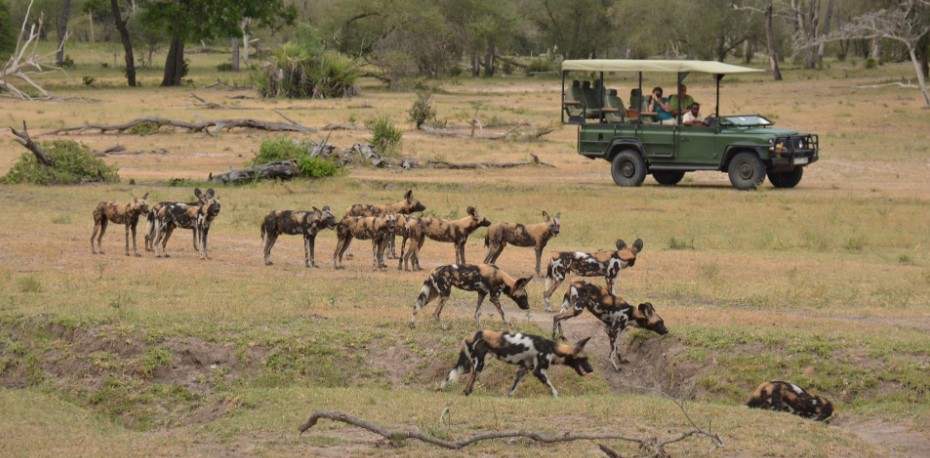
- Wild dogs
- Boat safaris
- Walking safaris
- Remote wilderness experiences
- Spectacular scenery
- Fewer tourists
A seven-day itinerary provides enough time to experience the unique character of each park while maximizing wildlife viewing opportunities.
Day 1: Dar es Salaam to Mikumi National Park
Your adventure begins with an early departure from Dar es Salaam, heading west toward Mikumi National Park.
The drive follows the scenic highway through the Uluguru Mountains and rural Tanzanian landscapes. Along the way, you’ll pass bustling villages, farmland, and rolling hills that offer a glimpse into everyday life in Tanzania.
After arriving in Mikumi around lunchtime, the safari officially begins with your first game drive.
First Impressions of Mikumi
Mikumi is often compared to the Serengeti because of its expansive plains. The Mkata Floodplain, the park’s most famous area, stretches across the landscape and supports impressive concentrations of wildlife.
Within a short time, visitors often encounter:
- Zebras
- Wildebeests
- Buffaloes
- Giraffes
- Impalas
- Warthogs
- Elephants
The open terrain makes wildlife easy to spot, making Mikumi an excellent introduction to Tanzania’s southern safari circuit.
As the sun sets over the plains, you’ll head to your lodge or camp for dinner and overnight accommodation.
Day 2: Full Day Safari in Mikumi National Park
A full day in Mikumi allows you to explore areas beyond the main floodplain.
The early morning game drive offers the best opportunities for predator sightings. Lions frequently patrol the grasslands, while spotted hyenas can often be seen returning from nighttime hunts.
One of Mikumi’s unique attractions is its tree-climbing lions, a behavior more commonly associated with parks in East Africa.
Bird enthusiasts will also find plenty to enjoy. More than 400 bird species have been recorded here, including:
- Lilac-breasted rollers
- Fish eagles
- Hornbills
- Kingfishers
- Secretary birds
Throughout the day, the scenery constantly changes between open plains, acacia woodland, and seasonal wetlands.
As evening approaches, the golden light transforms the landscape into a photographer’s dream.
Day 3: Mikumi to Ruaha National Park
After breakfast, you’ll travel toward Ruaha National Park, Tanzania’s largest national park and one of Africa’s most spectacular wilderness areas.
The journey takes you through the highlands surrounding Iringa before entering the vast wilderness of Ruaha.
The scenery changes dramatically. Rolling hills, rocky escarpments, giant baobab trees, and dry riverbeds dominate the landscape.
Arrival in Ruaha
Ruaha feels immediately different from Mikumi.
The park covers more than 20,000 square kilometers, creating an overwhelming sense of space and isolation.
An afternoon game drive introduces you to Ruaha’s incredible biodiversity.
Wildlife sightings may include:
- Elephants
- Lions
- Leopards
- Cheetahs
- Greater kudu
- Sable antelope
- Roan antelope
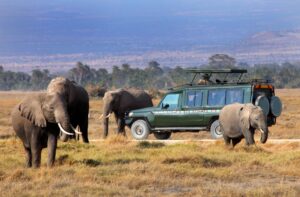
Ruaha is particularly famous for its large elephant herds, which are among the biggest remaining populations in East Africa.
Dinner and overnight are spent overlooking the magnificent wilderness.
Day 4: Full Day Safari in Ruaha National Park
Today is dedicated entirely to exploring Ruaha.
The Great Ruaha River serves as the lifeblood of the ecosystem. During the dry season, animals gather along its banks, creating outstanding wildlife viewing opportunities.
The Land of Predators
Ruaha is renowned for its predators.
The park supports:
- One of Africa’s largest lion populations
- Significant leopard numbers
- Cheetahs
- Spotted hyenas
- African wild dogs
Few safari destinations offer such a high diversity of carnivores.
Watching lions resting beneath ancient baobab trees while elephants move along the riverbank is an experience that remains unforgettable.
The Magnificent Baobabs
Ruaha’s iconic baobab trees add a unique character to the landscape.
Many are hundreds or even thousands of years old, standing like natural monuments across the savannah.
These giant trees create some of Tanzania’s most iconic safari scenes.
Day 5: Ruaha to Nyerere National Park
After breakfast, you’ll travel toward Nyerere National Park.
Formerly part of the famous Selous Game Reserve, Nyerere is now Africa’s largest protected national park.
The journey introduces new landscapes as woodlands and river systems begin to dominate the scenery.
Upon arrival, an afternoon game drive offers the first look at this vast wilderness.
The Rufiji River
The heart of Nyerere is the mighty Rufiji River.
Its network of channels, lakes, and lagoons supports enormous wildlife populations.
Animals frequently encountered include:
- Hippos
- Crocodiles
- Elephants
- Buffaloes
- Waterbucks
- Lions
The river creates a completely different safari atmosphere from the dry landscapes of Ruaha.
Day 6: Full Day Safari and Boat Safari in Nyerere
One of the highlights of Nyerere is the opportunity to experience a boat safari.
Unlike traditional game drives, a boat safari allows you to view wildlife directly from the water.
Morning Game Drive
The day begins with a traditional safari drive through the park.
Large herds of buffalo and elephants are commonly seen moving between the woodlands and riverbanks.
Nyerere is also one of Africa’s most important strongholds for African wild dogs.
Seeing these highly endangered predators is one of the great privileges of visiting southern Tanzania.
Afternoon Boat Safari
The afternoon boat safari offers a completely different perspective.
Drifting quietly along the Rufiji River, you may encounter:
- Hippos at close range
- Massive Nile crocodiles
- Fish eagles
- Kingfishers
- Waterbirds
- Elephants drinking along the shore
Sunset from the river is often considered one of the most beautiful safari experiences in Tanzania.
Day 7: Morning Activity and Return to Dar es Salaam
Your final morning begins with either:
- A short game drive
- A walking safari
- Relaxation at camp overlooking the river
Walking safaris are particularly special in Nyerere. Accompanied by armed guides, visitors gain a deeper understanding of animal tracks, plants, insects, and the smaller details often missed during vehicle-based safaris.
After breakfast, you’ll begin your return journey to Dar es Salaam or connect with a domestic flight.
Although the safari may be ending, the memories of southern Tanzania’s untouched wilderness will remain long after the journey is over.
Wildlife You May See During This Safari
This itinerary offers opportunities to encounter an impressive range of wildlife:
| Mammals | Birds |
|---|---|
| Elephants | Fish Eagles |
| Lions | Kingfishers |
| Leopards | Hornbills |
| Cheetahs | Rollers |
| African Wild Dogs | Bee-eaters |
| Buffaloes | Herons |
| Hippos | Storks |
| Crocodiles | Vultures |
| Giraffes | Secretary Birds |
| Zebras | Pelicans |
Best Time to Visit
June to October
The dry season offers the best wildlife viewing as animals gather around rivers and water sources.
November to March
Green landscapes, excellent birdwatching, and fewer visitors characterize this season.
April to May
Heavy rains can affect accessibility, especially in Nyerere, though the scenery becomes exceptionally lush.
Conclusion
A 7-day safari through Mikumi, Ruaha, and Nyerere showcases Tanzania’s most authentic wilderness experiences. From the open plains of Mikumi and the predator-rich landscapes of Ruaha to the river safaris of Nyerere, this journey reveals a side of Tanzania that remains wonderfully wild and uncrowded.
For travelers seeking adventure beyond the traditional northern safari circuit, southern Tanzania delivers extraordinary wildlife encounters, breathtaking scenery, and a true sense of exploration. It is a safari that feels less like tourism and more like discovering Africa as it once was—vast, untamed, and unforgettable.