
Activities to Do in Ruaha National Park, Tanzania
Discover Tanzania’s Wild Side: The Best Things to Do in Ruaha National Park
Ruaha National Park is one of Tanzania’s most remarkable wildlife destinations, offering vast savannah landscapes, ancient baobab trees, rugged hills, and impressive concentrations of wildlife. Located in southern Tanzania, the park is known for its remote atmosphere, spectacular game viewing, and opportunities to experience Africa away from the busier northern safari circuit.
Whether you are planning a guided wildlife safari, a private photographic adventure, or an independent journey with a 4×4 rental vehicle, Ruaha offers a memorable combination of wildlife, wilderness, and adventure.
From watching elephants gather along the Great Ruaha River to tracking lions across the open plains, there are many exciting activities to enjoy in this extraordinary destination.
1. Enjoy Game Drives in Ruaha National Park
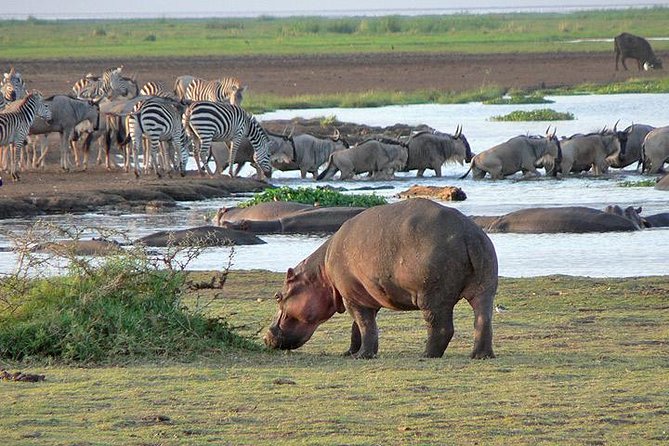
Game drives are among the best activities to do in Ruaha National Park. The park’s varied habitats support a rich diversity of wildlife, including elephants, lions, leopards, giraffes, zebras, buffaloes, and several antelope species.
During a game drive, visitors can explore open grasslands, woodland areas, rocky outcrops, and river valleys while searching for animals in their natural environment. The experience changes throughout the day as wildlife moves between feeding areas, water sources, and shaded resting places.
Early morning drives are particularly rewarding because many animals are active before temperatures rise. Afternoon drives provide excellent opportunities for photography, while the changing light creates beautiful views across the landscape.
For travellers interested in exploring independently, self-drive safaris in Tanzania can provide greater flexibility, subject to park regulations, vehicle requirements, and current access conditions.
2. See Large Herds of Elephants
Ruaha is famous for its elephants, and encountering these magnificent animals is one of the highlights of visiting the park.
Elephants may be seen moving through woodland, feeding beneath baobab trees, crossing open plains, or gathering near rivers and seasonal water sources. Observing a herd as it moves together through the landscape offers an unforgettable wildlife experience.
Visitors should maintain a safe distance, avoid blocking the animals’ movements, and follow their guide’s instructions or the park’s wildlife-viewing rules.
For photographers, elephants provide wonderful opportunities to capture family groups, young calves, and interactions between members of a herd.
3. Watch Lions in Their Natural Habitat
Ruaha is an excellent destination for visitors hoping to see lions during an African safari. The park’s large prey populations support these powerful predators, which may be encountered resting in the shade, moving through grassland, or watching herds of antelope.
Lion sightings are never guaranteed, but patient game viewing and exploring suitable habitats can improve your chances.
Leopards, spotted hyenas, and other carnivores may also be encountered. Every drive offers a different experience, making Ruaha particularly appealing to travellers who enjoy observing wildlife behaviour rather than simply ticking animals off a list.
4. Explore the Great Ruaha River
The Great Ruaha River is one of the park’s most important natural features. It provides a vital water source for wildlife, particularly during the dry season when water becomes scarce in other parts of the landscape.
River areas can attract elephants, buffaloes, antelopes, and predators searching for prey. Depending on water levels and the season, visitors may also spot crocodiles and hippos in suitable locations.
The riverbanks offer beautiful scenery for wildlife photography, especially in the early morning and late afternoon when the light is softer.
Visitors should remain inside their vehicles where required and never approach the riverbank on foot unless explicitly permitted by park authorities or accompanied by an authorized guide.
5. Discover Ruaha’s Impressive Baobab Trees
Ruaha’s landscape is characterized by striking baobab trees, some of which have stood for centuries. Their enormous trunks and distinctive branches create a dramatic contrast against the grasslands and rocky hills.
These trees are an important part of the region’s natural environment, providing food and shelter for wildlife while contributing to the park’s distinctive appearance.
A game drive through baobab country is a highlight for photographers and nature lovers. The trees are particularly beautiful when silhouetted against the golden light of sunrise or sunset.
Bring a camera and allow time to appreciate the scenery between wildlife sightings.
6. Go Birdwatching in Ruaha National Park
Ruaha is a rewarding destination for birdwatchers, with a wide variety of bird species inhabiting its riverine vegetation, woodlands, grasslands, and wetlands.
Birdwatching opportunities vary throughout the year. Resident species can be seen in different habitats, while migratory birds add to the diversity during particular seasons.
Look out for colourful bee-eaters, kingfishers, hornbills, rollers, eagles, vultures, and other birds of prey. Water-associated species may also be observed around suitable river and wetland habitats.
Whether you are an experienced birder or a casual wildlife enthusiast, bringing binoculars and a bird identification guide can make your safari even more rewarding.
7. Photograph Wildlife and Scenic Landscapes
Ruaha offers excellent opportunities for wildlife and landscape photography. Its open plains, dramatic skies, rocky hills, river valleys, and iconic baobab trees provide a varied collection of natural settings.
Wildlife photographers can look for elephants, lions, giraffes, zebras, and antelopes, while bird photographers may find interesting subjects around riverine habitats.
The early morning and late afternoon usually provide attractive natural light. A camera with a telephoto lens is useful for photographing animals from a safe distance.
If you are travelling on a private Tanzania safari, you may be able to arrange game drives around your photographic interests. For self-drive visitors, always follow park driving rules and avoid disturbing wildlife to obtain a photograph.
8. Explore Ruaha’s Diverse Landscapes
Ruaha is not simply a destination for animal sightings. Its landscapes are a major attraction in their own right.
The park contains open savannah, woodland, rocky hills, river valleys, and seasonal drainage systems. These habitats support different plant and animal communities, creating varied scenery as you travel through the park.
During a game drive, take time to appreciate the changing vegetation and the relationship between wildlife and the environment. Baobab-studded plains and rugged hills give Ruaha a distinctive character that differs from many other safari destinations in Tanzania.
For travellers who enjoy remote wilderness and wide-open spaces, Ruaha offers a particularly rewarding experience.
9. Learn About the Park’s Wildlife and Ecosystem
A safari in Ruaha can also be an opportunity to learn about wildlife conservation and the ecological importance of protected areas.
The park’s habitats support large herbivores, predators, birds, reptiles, and numerous smaller species. These animals depend on functioning ecosystems that include natural water sources, healthy vegetation, and sufficient space to move and feed.
A knowledgeable safari guide can explain animal behaviour, predator-prey relationships, seasonal wildlife movements, and conservation challenges.
Visitors can contribute to responsible tourism by respecting park regulations, avoiding littering, keeping noise to a minimum, and never feeding wild animals.
10. Enjoy a Picnic in a Designated Area
A picnic can be a pleasant way to take a break during a full day of exploring Ruaha. Designated picnic sites, where available and open, allow visitors to enjoy refreshments while surrounded by the park’s natural scenery.
Bring sufficient drinking water, pack food in reusable containers where practical, and ensure that all rubbish is removed or disposed of according to park rules.
Wild animals are free to move throughout the park, so visitors must follow site-specific safety instructions. Never leave food unattended or approach wildlife while eating.
Check with park authorities or your safari operator for current picnic-site availability and permitted stopping areas.
11. Experience a Multi-Day Ruaha Safari
Ruaha deserves more than a hurried visit. A multi-day safari gives travellers time to explore different areas, experience changing light conditions, and enjoy several opportunities to encounter wildlife.
A two- or three-night stay may suit travellers with limited time, while longer visits are ideal for photographers, birdwatchers, and visitors who want to explore at a slower pace.
A typical safari may include morning and afternoon game drives, time at the lodge or camp, and opportunities to learn about the surrounding environment.
You can combine Ruaha with other southern Tanzania destinations, depending on your schedule, transport arrangements, and preferred style of travel.
Explore options for a southern Tanzania safari, including possible combinations with Nyerere National Park or Mikumi National Park.
12. Take a Self-Drive Safari in Ruaha National Park
For adventurous travellers, a self-drive safari can offer flexibility and independence. Driving yourself allows you to plan your time around your interests, spend longer observing wildlife when conditions permit, and enjoy the journey at your own pace.
However, Ruaha is a remote wilderness destination. A suitable vehicle, careful preparation, and knowledge of park regulations are essential.
Before setting out, make sure you have:
- A suitable 4×4 vehicle approved for the planned route and conditions.
- Sufficient fuel and drinking water.
- Offline maps or reliable navigation resources.
- A spare tyre and essential recovery equipment appropriate to the vehicle.
- A charged mobile phone and an agreed emergency communication plan.
- Confirmed accommodation, park entry arrangements, and current driving rules.
A 4×4 car rental in Tanzania is worth considering for visitors planning to explore Ruaha and other remote destinations. Choose a vehicle suitable for the route, and confirm whether insurance, roadside assistance, recovery support, and permitted park use are included in the rental agreement.
Do not assume that every track is accessible throughout the year. Rainfall can affect road conditions, and some routes may be restricted or unsuitable for certain vehicles. Check current conditions with park authorities and your rental provider before departure.
13. Stay in a Lodge or Tented Camp
Accommodation is an important part of the Ruaha experience. Depending on your budget and travel style, you may choose a lodge, tented camp, or another authorized accommodation option in or around the park.
Staying near the park can make it easier to enjoy early starts and spend more time exploring wildlife areas. Some camps offer views of the surrounding landscape, while others provide a comfortable base between game drives.
When choosing accommodation, consider location, transport arrangements, meal plans, access to activities, and the seasonal availability of facilities.
Book ahead during popular travel periods, particularly if you have a specific camp or lodge in mind.
14. Visit Ruaha During the Best Season for Wildlife
Ruaha can be visited throughout much of the year, but the experience changes with the seasons.
Dry season
The dry season, generally from around June to October, is often popular for wildlife viewing. As water becomes less available in the wider landscape, animals may gather around reliable water sources, making them easier to locate in some areas. Dry conditions can also improve access on many roads, although local conditions still vary.
Green season
The wetter months, generally from around November to May, bring greener landscapes and seasonal changes in wildlife activity. Birdwatching can be especially rewarding when migratory species are present. However, rain may make some roads difficult to navigate, and access conditions can change.
The best time for your trip depends on your priorities, such as wildlife photography, birdwatching, scenery, accommodation availability, and road conditions.
Before travelling, confirm seasonal access information with park authorities or a reputable safari operator.
15. Explore Ruaha as Part of a Southern Tanzania Road Trip
Ruaha can form the centrepiece of a wider southern Tanzania adventure. Depending on the time available and your preferred route, you may be able to combine the park with other destinations for a varied safari experience.
Mikumi National Park can be considered for a road trip through southern Tanzania, while Nyerere National Park offers a different wildlife and landscape experience. These parks should not be treated as neighbouring attractions without checking the actual driving distances, road conditions, and travel time.
A carefully planned itinerary should include time for driving, rest, fuel stops, accommodation, and unexpected delays.
For travellers interested in independent travel, self-drive safaris in East Africa can offer an exciting way to discover different landscapes and wildlife areas. Always confirm cross-border requirements if your itinerary extends beyond Tanzania.
How to Get to Ruaha National Park
Ruaha is located in southern Tanzania, with Iringa serving as an important gateway for many road journeys.
Visitors can travel by road using a suitable vehicle or investigate available domestic flight connections to airstrips serving the park. Flight schedules, luggage restrictions, and seasonal availability should be confirmed before booking.
If you plan to drive, check the latest road conditions, fuel availability, travel time, and park access arrangements. Because the park is remote, it is advisable to plan your route and accommodation well in advance.
For a road-based adventure, Tanzania 4×4 car hire can help you arrange a vehicle suited to your travel plans.
What to Pack for a Ruaha Safari
Packing well helps make your visit more comfortable, especially during a multi-day safari.
Consider bringing:
- Lightweight, neutral-coloured clothing.
- A warm layer for cool mornings and evenings.
- Comfortable closed shoes.
- A hat, sunglasses, and sunscreen.
- Insect repellent.
- Binoculars and a camera.
- Reusable drinking-water bottles.
- Personal medication and a basic first-aid kit.
- A power bank and charging equipment.
- Offline maps and copies of important travel documents.
For self-drive travellers, also confirm the vehicle’s equipment, spare-wheel arrangements, emergency support, and any additional supplies required for remote travel.
Frequently Asked Questions About Ruaha National Park
1. What is Ruaha National Park famous for?
Ruaha is known for its large elephant population, lion sightings, diverse wildlife, baobab trees, and remote wilderness atmosphere. It is also a rewarding destination for birdwatching and wildlife photography.
2. What are the best activities to do in Ruaha National Park?
Popular activities include game drives, elephant watching, searching for lions and leopards, birdwatching, landscape photography, and exploring the Great Ruaha River area. Activities depend on park rules, seasonal conditions, and the availability of authorized guides or facilities.
3. How many days do I need in Ruaha National Park?
Two to three nights can provide a good introduction, while four or more nights allow additional time for game drives and a more relaxed experience. The ideal duration depends on your interests, budget, and wider itinerary.
4. Can I visit Ruaha National Park on a self-drive safari?
Self-drive visits may be possible with a suitable vehicle and in accordance with current park regulations. Check entry requirements, permitted routes, vehicle conditions, and seasonal road access before travelling.
5. Do I need a 4×4 vehicle to visit Ruaha?
A capable 4×4 is generally the most appropriate choice for exploring remote areas and dealing with changing road conditions. The specific vehicle required depends on the route, season, and current park requirements.
6. What is the best time to visit Ruaha National Park?
The dry season, generally June to October, is often favoured for wildlife viewing. The green season offers lush scenery and rewarding birdwatching, but rainfall may affect road access.
7. Can Ruaha be combined with other national parks?
Yes. Depending on your schedule, you may combine Ruaha with destinations such as Mikumi or Nyerere National Park. Plan carefully around road distances, travel times, accommodation, and current road conditions.
8. Is Ruaha suitable for families?
Ruaha can be suitable for families, depending on the ages of the children, accommodation policies, transport arrangements, and the type of safari chosen. Confirm age restrictions for activities and camps before booking.
9. Where can I stay in Ruaha National Park?
Accommodation options include lodges and tented camps in and around the park. Availability, prices, and operating seasons vary, so confirm your preferred property before travelling.
10. Can I rent a 4×4 vehicle for a Ruaha safari?
Yes, you can investigate 4×4 rental options for a Ruaha trip. Before booking, confirm that the vehicle is suitable for the planned route and that the rental agreement covers your intended park use, insurance, assistance, and any required equipment.
Plan Your Ruaha National Park Safari
Ruaha National Park is an excellent choice for travellers seeking wildlife, dramatic landscapes, and a quieter safari experience in southern Tanzania. From watching elephants beneath ancient baobab trees to searching for lions along the river valleys, the park offers many opportunities to connect with Africa’s natural environment.
Whether you prefer a guided safari or the independence of a self-drive adventure, careful planning will help you make the most of your visit.
Contact us to plan your Ruaha safari, arrange suitable accommodation, or enquire about 4×4 car rental in Tanzania for your next wildlife adventure. Choose the right vehicle, plan your route carefully, and prepare to explore one of Tanzania’s most impressive wilderness destinations.