
Nyerere National Park Concession Fees (2026): Complete Guide for Safari Travelers
Planning a safari to Nyerere National Park is an exciting adventure, whether you’re looking for incredible wildlife encounters, boat safaris along the Rufiji River, or an authentic wilderness experience away from the crowds. As you prepare your trip, it’s important to understand the different park charges you may encounter. Among these is the concession fee, a charge that often confuses first-time visitors.
Many travelers mistakenly believe the concession fee is included in the park entrance fee. In reality, it is a separate charge that only applies to visitors staying overnight inside the national park. Knowing when and why this fee applies can help you budget accurately and avoid unexpected costs.
This comprehensive guide explains everything you need to know about Nyerere National Park concession fees, including who pays them, how much they cost, why they exist, and how they fit into the overall cost of a safari.
What Is a Concession Fee?
A concession fee is a nightly conservation charge collected from visitors staying inside protected areas. Unlike the park entrance fee, which grants access to the national park, the concession fee is associated with accommodation located within park boundaries.
The revenue generated from concession fees contributes to the maintenance and management of tourism infrastructure while supporting conservation activities. These funds also help ensure that accommodation facilities operate responsibly within the protected ecosystem.
In Nyerere National Park, concession fees are collected in addition to park entrance fees whenever visitors spend the night inside the park.
Where Is Nyerere National Park?
Located in southern Tanzania, Nyerere National Park is Africa’s largest standalone national park, covering approximately 30,893 square kilometers. It forms part of the vast Selous ecosystem and was officially established in 2019 after the northern section of the Selous Game Reserve was designated as a national park.
The park is famous for:
- Large elephant populations
- African wild dogs
- Lions
- Leopards
- Buffaloes
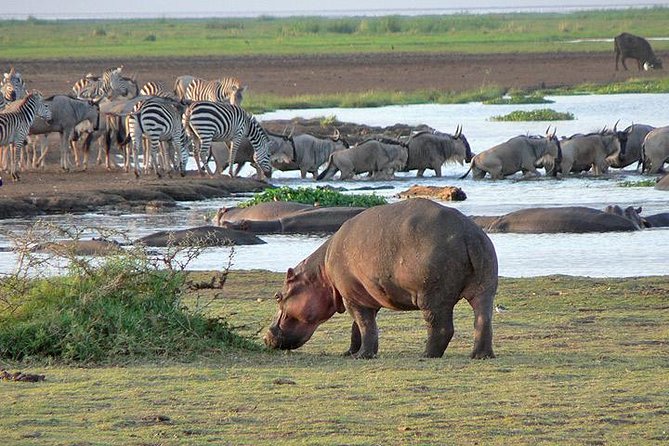
- Hippos
- Nile crocodiles
- Hundreds of bird species
- The mighty Rufiji River
Unlike the busier northern safari circuit, Nyerere offers a more secluded safari experience with fewer vehicles and vast untouched wilderness.
Nyerere National Park Concession Fees (2026-2027)
The concession fee depends on the visitor category.
| Visitor Category | Concession Fee |
|---|---|
| Non-Resident Adult | US$25 per person per night |
| Resident Adult | US$25 per person per night |
| East African Citizen | TZS 5,000 per person per night |
These fees are charged for every night spent inside the park.
For example:
- One night equals one concession fee.
- Three nights require payment for three concession fees.
- Five nights require payment for five concession fees.
Who Pays the Concession Fee?
The concession fee applies to visitors staying overnight at accommodations located within the boundaries of Nyerere National Park.
Examples include:
- Luxury safari lodges
- Permanent tented camps
- Seasonal camps
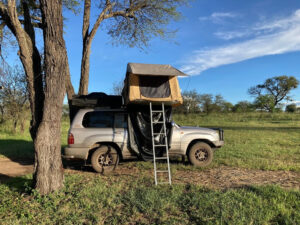
- Public campsites
- Private campsites
If your accommodation is inside the park, concession fees are mandatory regardless of the accommodation category.
Who Does Not Pay the Concession Fee?
Visitors staying outside the park are generally exempt from concession fees.
For example:
- Lodges in Mloka
- Accommodation in Mtemere
- Hotels in nearby villages
- Guesthouses outside the park boundaries
Even if you spend the entire day on safari, you only pay the park entrance fee—not the concession fee—provided you return to accommodation outside the park.
Difference Between Park Entrance Fee and Concession Fee
Many travelers confuse these two charges.
Park Entrance Fee
The park entrance fee allows visitors to enter and enjoy Nyerere National Park for wildlife viewing and other activities.
This fee supports:
- Wildlife conservation
- Ranger patrols
- Road maintenance
- Visitor services
- Anti-poaching initiatives
Every visitor entering the park pays the entrance fee.
Concession Fee
The concession fee is only charged to visitors spending the night inside the park.
It contributes toward:
- Tourism infrastructure
- Environmental management
- Waste disposal systems
- Campsite management
- Sustainable tourism development
In short:
Entrance Fee = Access
Concession Fee = Overnight Stay
Why Does TANAPA Charge Concession Fees?
The Tanzania National Parks Authority (TANAPA) manages one of Africa’s most extensive protected area networks.
Running a national park as large as Nyerere requires significant financial resources.
Concession fees help fund:
Conservation
Protecting endangered wildlife requires:
- Ranger patrols
- Wildlife monitoring
- Anti-poaching operations
- Habitat restoration
Infrastructure
Tourists rely on well-maintained infrastructure including:
- Roads
- Airstrips
- Campsites
- Signage
- Picnic sites
These facilities require constant maintenance.
Environmental Protection
Accommodation inside protected areas has environmental impacts.
Concession fees help support:
- Waste management
- Water conservation
- Sustainable tourism practices
- Ecosystem restoration
Community Development
Tourism revenue also contributes to surrounding communities through employment opportunities and conservation partnerships.
Activities Available Inside Nyerere National Park
One advantage of staying inside the park is easier access to early morning and late afternoon activities.
Popular activities include:
Game Drives
Morning and afternoon game drives provide opportunities to see:
- Lions
- Leopards
- Elephants
- Giraffes
- Zebras
- Buffaloes
- Hyenas
Boat Safaris
Nyerere is Tanzania’s premier destination for boat safaris.
Cruising along the Rufiji River allows visitors to observe:
- Hippos
- Crocodiles
- Fish eagles
- Kingfishers
- Waterbuck
- Buffaloes
Boat safaris offer photography opportunities unavailable elsewhere in Tanzania.
Walking Safaris
Guided walking safaris are among the park’s greatest attractions.
Accompanied by armed rangers, visitors learn about:
- Animal tracks
- Birds
- Insects
- Medicinal plants
- Ecology
Walking safaris provide a deeper understanding of the African wilderness.
Bird Watching
More than 440 bird species have been recorded in Nyerere National Park.
Highlights include:
- African skimmer
- Pel’s fishing owl
- Fish eagle
- Bee-eaters
- Kingfishers
- Hornbills
Birding is excellent throughout the year.
Accommodation Options
Visitors staying inside the park can choose from several accommodation categories.
Luxury Lodges
Luxury lodges offer:
- En-suite rooms
- Fine dining
- Swimming pools
- River views
- Professional guides
Ideal for honeymooners and luxury travelers.
Tented Camps
These provide an authentic safari atmosphere while maintaining excellent comfort.
Most include:
- Comfortable beds
- Private bathrooms
- Excellent cuisine
- Guided safari activities
Public Campsites
Budget-conscious travelers can stay at public campsites.
Facilities generally include:
- Shared washrooms
- Fireplaces
- Basic amenities
These are popular with self-drive visitors.
Private Campsites
Private campsites offer greater exclusivity and flexibility for organized safari groups.
Budgeting for Your Safari
When planning your safari budget, remember that concession fees are only one part of the overall cost.
Typical expenses include:
- Park entrance fees
- Concession fees
- Vehicle fees
- Guide fees
- Accommodation
- Meals
- Fuel
- Boat safari fees
- Walking safari fees
- Optional flights
Understanding all these costs in advance helps avoid surprises.
Is Staying Inside the Park Worth It?
For many travelers, the answer is yes.
Benefits include:
Earlier Game Drives
Visitors staying inside can begin game drives at sunrise without long transfers.
Wildlife activity is usually highest during the early morning.
Evening Wildlife Viewing
You can remain inside the park until sunset before returning to camp.
Guests staying outside often need to leave earlier.
Immersive Experience
Sleeping in the African wilderness provides unforgettable moments such as:
- Lions roaring at night
- Hyenas calling nearby
- Hippos grazing around camp
- Birdsong at dawn
Reduced Travel Time
Staying inside the park minimizes daily driving to and from park gates, allowing more time for wildlife viewing.
Tips for Saving Money
If you’re traveling on a budget, consider the following:
- Stay outside the park to avoid concession fees.
- Combine multiple activities into one day.
- Travel during the low season for better accommodation rates.
- Join a group safari to share vehicle costs.
- Book directly with reputable safari operators.
Frequently Asked Questions
Are concession fees included in accommodation prices?
Some lodges include concession fees in their quoted rates, while others list them separately. Always confirm what is included before booking.
Do day visitors pay concession fees?
No. Day visitors only pay the applicable park entrance fee and activity fees.
Are concession fees charged per room?
No. They are charged per person, per night.
Can concession fees change?
Yes. TANAPA periodically reviews its fee structure, so travelers should always check the latest tariff before traveling.
Do children pay concession fees?
Reduced rates generally apply for children, depending on age and residency status. Check the latest TANAPA tariff or confirm with your safari operator.
Are concession fees refundable?
Refund policies depend on TANAPA’s regulations and the terms of your booking. In many cases, fees already remitted to the park authority are non-refundable.
Final Thoughts
Nyerere National Park is one of Africa’s most spectacular safari destinations, offering vast wilderness, abundant wildlife, and unique experiences such as boat safaris and guided walking safaris. While the concession fee adds to the overall cost of staying inside the park, it plays an important role in supporting conservation, maintaining visitor facilities, and ensuring sustainable tourism.
Understanding the difference between the park entrance fee and the concession fee will help you plan your budget more accurately and choose the accommodation option that best suits your travel style. Whether you opt for a luxury riverside lodge, a classic tented camp, or a simple campsite, your contribution helps preserve one of Tanzania’s greatest natural treasures for future generations.
If you’re planning a safari to southern Tanzania, be sure to account for concession fees alongside other park charges. With proper planning, you’ll enjoy an unforgettable adventure in one of Africa’s last great wilderness areas while directly supporting the conservation of its remarkable landscapes and wildlife.