Ruaha National Park Travel Guide: Tanzania’s Ultimate Wilderness Safari Destination
Introduction
When most travelers think of a Tanzanian safari, iconic destinations such as the Serengeti and Ngorongoro Crater usually come to mind. While these northern parks deserve their global reputation, there is another safari destination that many experienced travelers and wildlife enthusiasts consider Tanzania’s best-kept secret: Ruaha National Park.
Located in the heart of southern Tanzania, Ruaha National Park is a place where nature still reigns supreme. Vast landscapes stretch to the horizon, ancient baobab trees dominate the scenery, and wildlife roams freely across one of Africa’s largest protected ecosystems. Unlike many of East Africa’s more famous parks, Ruaha remains wonderfully uncrowded, offering visitors an authentic safari experience that feels wild, remote, and exclusive.
As Tanzania’s largest national park, Ruaha covers more than 20,000 square kilometers of diverse habitats ranging from open grasslands and river systems to rocky escarpments and miombo woodlands. It is home to one of Africa’s largest populations of elephants, significant numbers of lions, endangered African wild dogs, leopards, cheetahs, buffaloes, giraffes, and hundreds of bird species.
For travelers seeking an unforgettable safari away from the crowds, Ruaha National Park delivers one of the most rewarding wildlife experiences on the African continent.
Where is Ruaha National Park?
Ruaha National Park is situated in south-central Tanzania, approximately 130 kilometers west of Iringa town. It forms part of the vast Ruaha-Rungwa ecosystem, one of East Africa’s most important conservation areas.
The park is named after the Great Ruaha River, which serves as the lifeblood of the ecosystem. During the dry season, the river becomes one of the few permanent water sources in the area, attracting huge concentrations of wildlife and creating extraordinary game-viewing opportunities.
Because of its location within Tanzania’s Southern Safari Circuit, Ruaha is often combined with nearby destinations such as:
- Nyerere National Park
- Mikumi National Park
- Udzungwa Mountains National Park
- Kitulo National Park
Together, these destinations offer visitors a unique and less crowded alternative to Tanzania’s northern safari circuit.
The History of Ruaha National Park
The history of conservation in Ruaha dates back to 1910 when the area was first designated as a protected game reserve during German colonial rule.
In 1964, the area officially became Ruaha National Park. Over the decades, additional surrounding protected areas were incorporated into the park, significantly expanding its size and ecological importance.
Today, Ruaha stands as Tanzania’s largest national park and one of the most significant conservation success stories in East Africa. The park protects crucial migration routes and habitats that support thousands of animals across southern Tanzania.
Why Visit Ruaha National Park?
A Truly Wild Safari Experience
One of the biggest attractions of Ruaha is its wilderness character.
Unlike the heavily visited parks of northern Tanzania, Ruaha remains relatively untouched by mass tourism. Visitors often spend entire game drives without encountering another safari vehicle.
This sense of isolation creates a far more intimate connection with nature and allows wildlife encounters to unfold naturally without crowds.
Incredible Wildlife Diversity
Ruaha supports an astonishing variety of wildlife species.
The park sits at a unique ecological crossroads where eastern and southern African ecosystems meet. As a result, visitors can observe species commonly found in both regions.
Wildlife highlights include:
- African elephants
- Lions
- Leopards
- Cheetahs
- African wild dogs
- Spotted hyenas
- Buffaloes
- Zebras
- Giraffes
- Hippos
- Crocodiles
- Greater kudu
- Lesser kudu
- Sable antelope
- Roan antelope
- Eland
This exceptional diversity makes every game drive exciting and unpredictable.
Few Tourists
Many safari enthusiasts consider Ruaha one of Africa’s final frontier safari destinations.
Even during peak safari season, visitor numbers remain low compared to destinations such as Serengeti or Maasai Mara.
For photographers, nature lovers, and seasoned safari travelers, this exclusivity is a major advantage.
The Landscapes of Ruaha
Ruaha’s landscapes are among the most beautiful and diverse in East Africa.
The Great Ruaha River
The Great Ruaha River is undoubtedly the park’s most important natural feature.
Throughout the dry season, wildlife congregates along the riverbanks in search of water. Elephants dig into sandy riverbeds while predators patrol nearby looking for hunting opportunities.
Many of the park’s most dramatic wildlife encounters occur along this river.

Ancient Baobab Trees
Ruaha is famous for its enormous baobab trees.
Some of these giants are believed to be hundreds of years old and create one of the most recognizable landscapes in Tanzania.
During sunrise and sunset, the silhouettes of baobabs against the African sky create spectacular photographic opportunities.
Rocky Escarpments
Large granite outcrops and rocky hills provide breathtaking viewpoints across the park.
These elevated areas are often favored by leopards and lions seeking shade and strategic hunting positions.
Open Savannahs
The grasslands of Ruaha support large populations of herbivores including zebra, buffalo, giraffe, and various antelope species.
Predators frequently patrol these plains, making them excellent areas for wildlife viewing.
Miombo Woodlands
Extensive miombo forests cover large sections of the park.
These woodlands provide habitat for rare antelope species and numerous bird species that are not commonly found elsewhere in Tanzania.
Wildlife in Ruaha National Park
Elephants
Ruaha is internationally recognized for its impressive elephant population.
Large herds can often be seen moving across the landscape, especially during the dry season when water becomes scarce.
Watching dozens of elephants gather along the Great Ruaha River is one of the park’s most memorable experiences.
Lions
Ruaha supports one of the largest lion populations in Africa.
Visitors frequently encounter prides resting beneath trees, crossing roads, or hunting prey near river systems.
The park is particularly known for its large prides, some numbering more than twenty individuals.
Leopards
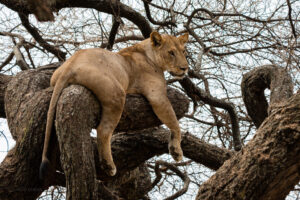
Leopards are relatively common in Ruaha compared to many other safari destinations.
They are often spotted resting in trees during the heat of the day or becoming active in the early morning and evening hours.
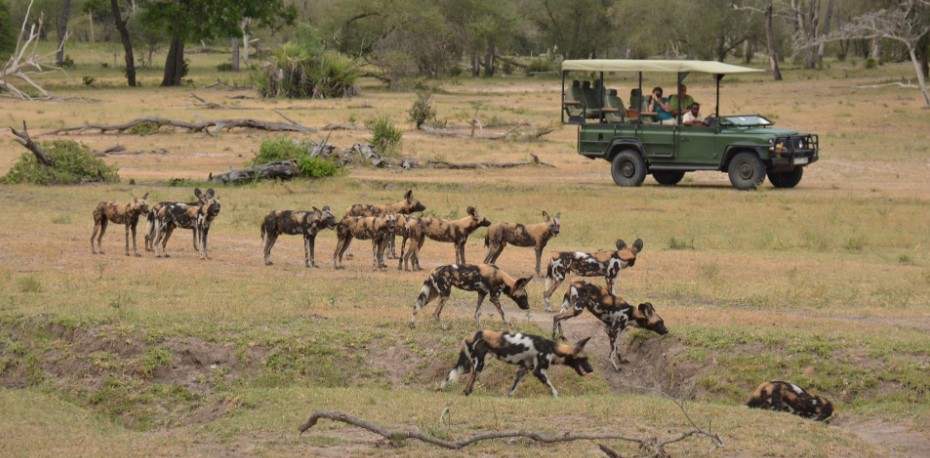
African Wild Dogs
One of Ruaha’s greatest conservation successes is its population of endangered African wild dogs.
These highly intelligent predators are among Africa’s rarest carnivores and seeing them in the wild is considered a major safari highlight.
Cheetahs
Although less common than lions and leopards, cheetahs can occasionally be seen hunting across the park’s open plains.
Buffaloes
Massive herds of buffalo roam throughout Ruaha.
These powerful animals are among the most dangerous members of Africa’s Big Five and frequently attract predators.
Rare Antelope Species
Ruaha is one of the best places in East Africa to observe rare antelope species.
Greater Kudu
The greater kudu is famous for its impressive spiral horns and elegant appearance.
Many wildlife enthusiasts specifically visit Ruaha to see this magnificent antelope.
Lesser Kudu
Smaller and more elusive than its larger cousin, the lesser kudu thrives in the park’s dense woodland habitats.
Sable Antelope
Known for their striking appearance and curved horns, sable antelope are among Africa’s most beautiful antelope species.
Roan Antelope
Roan antelope are relatively rare throughout Africa, making Ruaha an important destination for wildlife enthusiasts hoping to observe them.
Birdwatching in Ruaha
Ruaha is a paradise for bird lovers.
More than 570 bird species have been recorded within the park, making it one of Tanzania’s premier birdwatching destinations.
Popular species include:
- Fish eagles
- Martial eagles
- Hornbills
- Bee-eaters
- Kingfishers
- Rollers
- Lovebirds
- Vultures
- Storks
- Herons
- Falcons
The green season from November to April is particularly rewarding for birdwatchers because migratory species arrive from Europe and Asia.
Best Time to Visit Ruaha National Park
Dry Season (June to October)
The dry season is widely considered the best time for wildlife viewing.
Advantages include:
- Easier wildlife spotting
- Concentrated animal activity around water sources
- Pleasant weather
- Better road conditions
- Excellent predator sightings
This is the most popular safari period.
Green Season (November to April)
The rainy season transforms Ruaha into a lush green paradise.
Benefits include:
- Beautiful landscapes
- Fewer tourists
- Lower accommodation rates
- Exceptional birdwatching
- Excellent photography conditions
Although wildlife is more dispersed, the scenery is at its most vibrant.
Shoulder Season (May and November)
These transitional months offer a balance between good wildlife viewing and fewer visitors.
Travelers can often enjoy excellent value during these periods.
Safari Activities in Ruaha
Game Drives
Game drives remain the primary activity in Ruaha.
Morning, afternoon, and full-day safaris allow visitors to explore different sections of the park and maximize wildlife sightings.
Walking Safaris
Ruaha is one of Tanzania’s best destinations for guided walking safaris.
Accompanied by experienced guides and armed rangers, visitors can explore the bush on foot and learn about:
- Animal tracks
- Plants
- Insects
- Birdlife
- Local ecology
Walking safaris provide a completely different perspective from traditional game drives.
Birding Excursions
Dedicated birdwatching excursions can be arranged for enthusiasts seeking to maximize species sightings.
Photography Safaris
The park’s dramatic landscapes, abundant wildlife, and golden light make Ruaha a dream destination for photographers.
Accommodation in Ruaha National Park
Ruaha offers accommodation options for every budget.
Luxury Lodges
Luxury camps and lodges provide:
- Spacious suites
- Gourmet dining
- Professional guiding
- River views
- Exclusive safari experiences
Mid-Range Lodges
Mid-range options offer comfortable accommodation while maintaining excellent access to wildlife areas.
Budget Camps
Budget camps and public campsites are ideal for self-drive travelers and adventurous visitors seeking an authentic wilderness experience.
How to Get to Ruaha National Park
By Air
Flying is the fastest and most convenient option.
Scheduled and charter flights operate from:
- Dar es Salaam
- Arusha
- Zanzibar
- Serengeti
- Nyerere National Park
Several airstrips serve the park and surrounding lodges.
By Road
Self-drive travelers can access Ruaha from Iringa.
The journey typically takes approximately 2 to 3 hours from Iringa town to the park gate.
Road travel allows visitors to combine Ruaha with other Southern Circuit destinations.
Self-Drive Safari in Ruaha
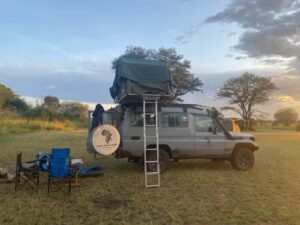
Ruaha is becoming increasingly popular among self-drive travelers.
Benefits include:
- Greater flexibility
- Lower costs
- Freedom to explore
- Unique adventure experience
A reliable 4×4 vehicle is highly recommended, especially during the rainy season.
Travelers should ensure they carry:
- Spare tires
- Recovery equipment
- Sufficient fuel
- Drinking water
- Navigation tools
Combining Ruaha with Other Parks
Ruaha and Nyerere National Park
This is arguably Tanzania’s finest Southern Circuit combination.
Together they provide:
- Diverse ecosystems
- Excellent wildlife viewing
- Boat safaris
- Walking safaris
- Remote wilderness experiences
Ruaha and Mikumi National Park
Ideal for travelers driving from Dar es Salaam.
Ruaha and Udzungwa Mountains
Combining wildlife viewing with mountain hiking and waterfalls creates a well-rounded Tanzanian adventure.
Travel Tips for Visiting Ruaha
- Stay at least four nights for the best experience.
- Bring quality binoculars.
- Pack lightweight neutral-colored clothing.
- Carry a camera with extra memory cards.
- Use sunscreen and insect repellent.
- Travel with experienced guides.
- Consider combining Ruaha with other Southern Circuit parks.
- Book accommodation well in advance during peak season.
Why Ruaha Should Be on Every Safari Bucket List
Ruaha National Park represents everything travelers dream about when imagining Africa.
It is vast, wild, uncrowded, and spectacularly beautiful. Massive elephant herds roam ancient landscapes dotted with baobab trees. Lions dominate the grasslands while endangered wild dogs patrol remote wilderness areas. Birdlife flourishes along river systems, and every sunset feels like a scene from a nature documentary.
For travelers seeking authenticity, exclusivity, and world-class wildlife viewing, few destinations can rival Ruaha National Park.
Whether you are planning your first African safari or returning for another adventure, Ruaha offers an unforgettable journey into one of Africa’s last great wilderness areas—a place where nature still unfolds exactly as it has for thousands of years.