21 Days Tanzania and Zanzibar Safari: Wildlife, Culture, History and Tropical Beaches
Discover the Complete Tanzania Experience Beyond the Safari
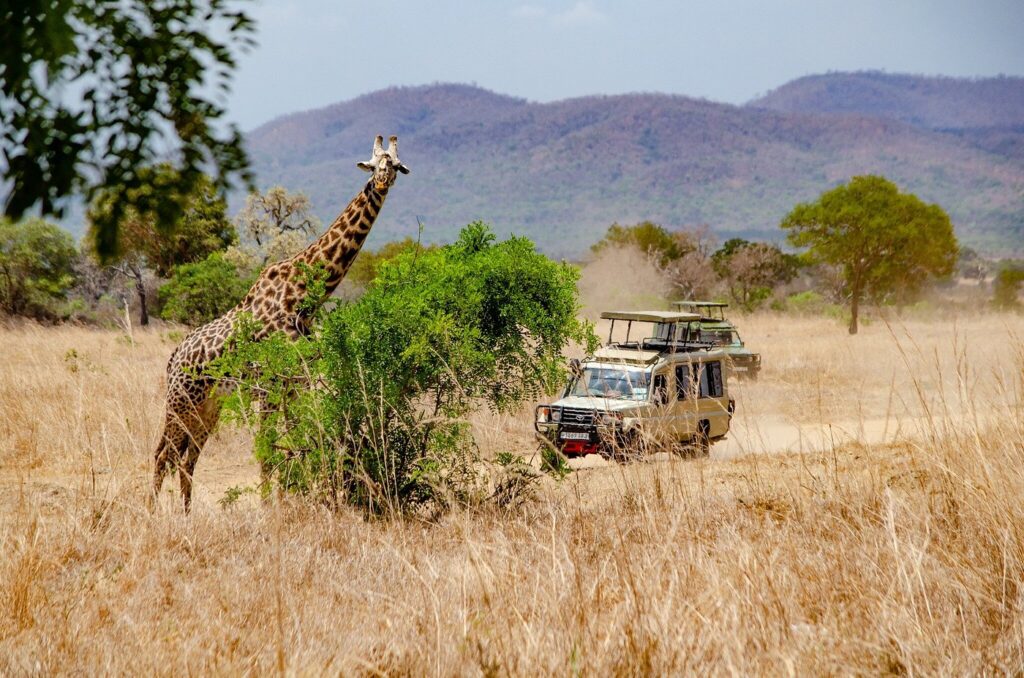
When most people think of Tanzania, they imagine endless plains filled with lions, elephants, and the Great Migration. While the country is undoubtedly one of Africa’s greatest safari destinations, Tanzania offers much more than wildlife alone. It is a land of extraordinary cultural diversity, ancient trading towns, fascinating historical sites, vibrant local communities, and some of the most beautiful beaches in the world.
This 21-day Tanzania and Zanzibar itinerary has been carefully designed for travelers who want to experience the country’s many dimensions. It combines world-class safari adventures with authentic cultural encounters, historical exploration, mountain communities, and the pristine shores of Zanzibar. It is a journey that reveals not only Tanzania’s famous animals but also the people, traditions, and stories that have shaped East Africa for centuries.
From meeting Maasai warriors in the highlands of Ngorongoro to wandering through the narrow alleys of Stone Town, from learning traditional coffee-making methods at the foot of Mount Kilimanjaro to sailing on a wooden dhow across the turquoise waters of the Indian Ocean, this itinerary offers a complete immersion into Tanzania’s natural and cultural heritage.
Day 1: Arrival in Arusha – Gateway to Northern Tanzania
Your adventure begins in Arusha, the bustling safari capital of Tanzania. Located beneath the towering slopes of Mount Meru, Arusha serves as the starting point for many of East Africa’s most famous journeys.
Upon arrival, take time to settle into your accommodation and soak in the atmosphere of this vibrant city. The streets are filled with colorful markets, local cafés, and small shops selling everything from handmade crafts to precious Tanzanite gemstones.
Depending on your arrival time, you may visit local attractions such as the Cultural Heritage Centre or explore the lively Maasai Market, where artisans showcase traditional jewelry, carvings, paintings, and textiles.
The first evening is best spent relaxing and preparing for the exciting weeks ahead.

Day 2: Exploring Arusha’s Cultural Heritage
Before heading into the wilderness, spend a day discovering Tanzania’s rich cultural heritage.
Arusha offers a wonderful introduction to the country’s diverse ethnic groups and traditions. Visit local museums and cultural centers that explain Tanzania’s history, archaeology, and artistic heritage.
One of the highlights is learning about Tanzanite, a rare gemstone found only in Tanzania. Visitors can discover how the stone is mined, cut, and transformed into beautiful jewelry.
Food lovers will appreciate the opportunity to sample traditional Tanzanian cuisine. Meals may include pilau rice infused with spices, grilled nyama choma, fresh chapati, and locally grown vegetables.
The day provides valuable context for understanding the country beyond its wildlife attractions.
Day 3: Journey to Mto wa Mbu – Tanzania’s Cultural Melting Pot
The road westward leads to Mto wa Mbu, one of Tanzania’s most fascinating cultural destinations.
Unlike many villages that are dominated by a single ethnic group, Mto wa Mbu is home to more than 120 tribes from across Tanzania. This diversity has created a unique community where traditions, languages, and customs coexist harmoniously.
A guided village walk offers insight into daily life. Visitors explore local farms, banana plantations, artisan workshops, and bustling markets. Along the way, guides explain traditional farming methods, food preparation techniques, and community life.
A traditional lunch often includes locally grown bananas, rice, fresh vegetables, and regional specialties.
The cultural richness of Mto wa Mbu provides a powerful contrast to the safari experiences that await.
Day 4: Lake Manyara National Park
Today marks the beginning of your wildlife adventure with a visit to Lake Manyara National Park.
Though smaller than many of Tanzania’s famous parks, Lake Manyara offers remarkable ecological diversity. Dense groundwater forests give way to open grasslands and eventually to the alkaline lake itself.
The park is famous for its tree-climbing lions, a rare behavior that fascinates wildlife enthusiasts. Large troops of baboons, elegant giraffes, elephants, zebras, and countless bird species can also be seen throughout the park.
The backdrop of the Great Rift Valley escarpment adds dramatic scenery to every game drive.
After a day of wildlife viewing, continue to Karatu for an overnight stay.
Day 5: Descending into the Ngorongoro Crater
Few places on Earth rival the beauty and biodiversity of the Ngorongoro Crater.
Formed millions of years ago when a massive volcano collapsed, the crater is now one of Africa’s most remarkable wildlife sanctuaries. Its enclosed ecosystem supports an extraordinary concentration of animals throughout the year.
Descending the steep crater walls feels like entering another world. Vast grasslands, forests, wetlands, and soda lakes create habitats for thousands of animals.
Visitors often encounter lions, elephants, buffaloes, hyenas, wildebeest, zebras, and hippos within a single game drive. The crater also offers one of the best opportunities in Africa to spot the endangered black rhinoceros.
Beyond its wildlife significance, Ngorongoro is also home to Maasai communities who continue to practice their traditional pastoral lifestyle.
Day 6: Immersion in Maasai Culture
One of the most rewarding aspects of traveling in Tanzania is meeting the people who have lived alongside wildlife for generations.
Today is dedicated to learning about the Maasai, one of East Africa’s most recognizable cultural groups.
Visitors are welcomed into traditional villages where community members share aspects of their daily lives. Guests may learn about livestock management, traditional housing construction, medicinal plants, and the customs that define Maasai society.
Colorful dances, songs, and storytelling sessions provide insight into a culture that has maintained strong traditions despite the rapid modernization occurring elsewhere.
These interactions create meaningful connections that go far beyond simple sightseeing.
Days 7–9: The Legendary Serengeti National Park
No visit to Tanzania would be complete without experiencing the Serengeti.
Covering nearly 15,000 square kilometers, the Serengeti is one of the most celebrated wildlife destinations on Earth. Its vast plains seem endless, stretching toward the horizon beneath enormous African skies.
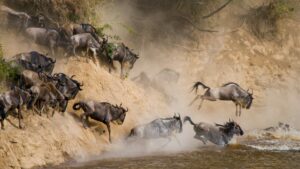
The park is home to the Great Migration, an annual movement involving more than two million wildebeest, zebras, and gazelles. Depending on the season, travelers may witness dramatic river crossings, predator hunts, and enormous herds moving across the landscape.
Over three unforgettable days, visitors explore different regions of the park.
Early morning game drives reveal predators returning from nighttime hunts. Lions rest beneath acacia trees while cheetahs scan the plains for prey. Leopards lounge in riverine forests, often hidden among branches.
Elephants, giraffes, buffaloes, and countless antelope species contribute to an ecosystem of exceptional richness.
Each day in the Serengeti feels different, ensuring an unforgettable safari experience.
Day 10: Return to Arusha
After a final morning game drive, return to Arusha either by road or scheduled flight.
The journey back offers an opportunity to reflect on the incredible wildlife encounters experienced over the previous days.
Spend the afternoon relaxing, enjoying local restaurants, or shopping for souvenirs before continuing to the next stage of your adventure.
Days 11–12: Discovering Moshi and Kilimanjaro’s Cultural Landscape
The fertile slopes surrounding Mount Kilimanjaro have supported human communities for centuries.
Moshi serves as the gateway to this region and offers a fascinating cultural experience distinct from the safari circuit.
Visitors explore coffee plantations operated by local farmers and learn how coffee is grown, harvested, roasted, and brewed. The experience often concludes with tasting some of Tanzania’s finest coffee.
The region is also home to the Chagga people, who developed sophisticated agricultural systems long before modern farming techniques arrived.
Guided tours reveal underground caves that once provided refuge during tribal conflicts, along with traditional irrigation systems still used today.
A visit to Materuni Waterfalls adds a scenic dimension to the experience. Surrounded by lush rainforest, the waterfall offers a refreshing escape and beautiful views of Kilimanjaro’s foothills.
Day 13: Arrival in Dar es Salaam
Leaving northern Tanzania behind, travel to Dar es Salaam, the country’s largest city and economic center.
Dar es Salaam presents a completely different side of Tanzania. Modern skyscrapers stand alongside historic buildings, while bustling markets showcase the energy of urban East Africa.
Explore local neighborhoods, waterfront areas, and fish markets where fishermen bring in their daily catch.
The city’s multicultural character reflects centuries of interaction between African, Arab, Indian, and European influences.
Day 14: Historical Journey to Bagamoyo
A short drive north of Dar es Salaam lies Bagamoyo, one of Tanzania’s most historically significant towns.
For centuries, Bagamoyo served as a major center of trade along the East African coast. Caravans carrying ivory and enslaved people ended their journeys here before crossing the Indian Ocean.
Today, visitors can explore preserved colonial buildings, old mission stations, museums, and historical monuments that tell the story of East Africa’s complex past.
Walking through Bagamoyo provides a deeper understanding of the forces that shaped modern Tanzania and the wider region.
The town’s quiet atmosphere contrasts sharply with the bustling energy of Dar es Salaam, making it a memorable cultural excursion.
Day 15: Journey to Zanzibar
After exploring mainland Tanzania, it is time to head to Zanzibar.
Whether arriving by ferry or domestic flight, the first glimpse of the island’s turquoise waters is unforgettable.
Zanzibar has captivated travelers for centuries. Merchants, explorers, sultans, and sailors have all passed through its shores, leaving behind a rich cultural legacy.
Spend the afternoon relaxing and enjoying the island atmosphere.
Day 16: Exploring the Historic Stone Town
Stone Town is the cultural heart of Zanzibar and one of East Africa’s most remarkable historical destinations.
Its labyrinth of narrow streets, carved wooden doors, coral stone buildings, and bustling markets creates an atmosphere unlike anywhere else in Africa.
Visitors can explore former palaces, ancient forts, spice markets, and museums that reveal Zanzibar’s fascinating history.
The island’s role in the Indian Ocean trade network brought together African, Arab, Persian, Indian, and European influences, creating a unique Swahili culture that continues to thrive today.
The former slave market serves as a powerful reminder of the darker chapters in the island’s history.
Day 17: The Famous Spice Farms of Zanzibar
Known worldwide as the Spice Island, Zanzibar has been producing valuable spices for centuries.
A guided spice tour introduces visitors to cloves, cinnamon, vanilla, cardamom, nutmeg, and black pepper growing in tropical plantations.
Guests learn how these spices are cultivated and used in traditional medicine, cooking, and trade.
The experience engages all the senses, filling the air with exotic aromas while offering a deeper appreciation of Zanzibar’s agricultural heritage.
Day 18: Jozani Forest and Village Life
Today combines nature and culture through a visit to Jozani Forest.
This protected area is home to the endangered Zanzibar red colobus monkey, found nowhere else in the world.
Walking through the forest reveals unique ecosystems including mangrove swamps, tropical woodlands, and diverse birdlife.
The afternoon may include visits to nearby villages where residents continue traditional fishing and farming practices.
These encounters provide valuable insight into daily life on the island.
Day 19: Traditional Dhow Sailing Experience
For centuries, wooden dhow boats connected communities across the Indian Ocean.
Today, travelers can experience this maritime tradition through a leisurely sailing excursion.
Gliding across crystal-clear waters, visitors enjoy spectacular coastal scenery, snorkeling opportunities, and pristine sandbanks.
The experience captures the timeless relationship between Zanzibar and the sea.
Watching the sunset from a traditional dhow is often considered one of the highlights of the entire journey.
Day 20: Relaxing on Zanzibar’s World-Class Beaches
After weeks of exploration, adventure, and discovery, today is dedicated entirely to relaxation.
Zanzibar’s beaches consistently rank among the most beautiful in the world. Powder-white sand meets turquoise waters, creating postcard-perfect scenery.
Whether staying in Nungwi, Kendwa, Paje, or Jambiani, visitors can enjoy swimming, snorkeling, diving, kitesurfing, or simply unwinding beneath swaying palm trees.
This final full day offers the perfect opportunity to reflect on the remarkable journey through Tanzania.
Day 21: Departure
As the adventure comes to an end, enjoy a final breakfast overlooking the Indian Ocean.
The memories gathered over the past three weeks are likely to remain vivid for years to come.
From the wildlife-rich plains of the Serengeti to the ancient streets of Stone Town, from Maasai villages to spice plantations, this journey showcases the incredible diversity that makes Tanzania one of Africa’s most rewarding destinations.
Why Choose a Tanzania and Zanzibar Journey That Goes Beyond Safari?
Many itineraries focus exclusively on wildlife viewing, but Tanzania’s greatest strength lies in its diversity.
This 21-day journey combines four extraordinary experiences into one seamless adventure:
Wildlife
Witness iconic African animals in Lake Manyara, Ngorongoro Crater, and the Serengeti.
Culture
Meet Maasai communities, Chagga farmers, Swahili families, and residents of Tanzania’s multicultural villages.
History
Explore Bagamoyo, Stone Town, colonial landmarks, and important sites connected to East Africa’s trading past.
Beach Relaxation
Unwind on Zanzibar’s spectacular coastline after experiencing some of Africa’s most celebrated safari destinations.
For travelers seeking a deeper connection with Tanzania, this itinerary offers the perfect balance of adventure, learning, culture, and relaxation. It is not simply a safari holiday—it is a complete East African experience.