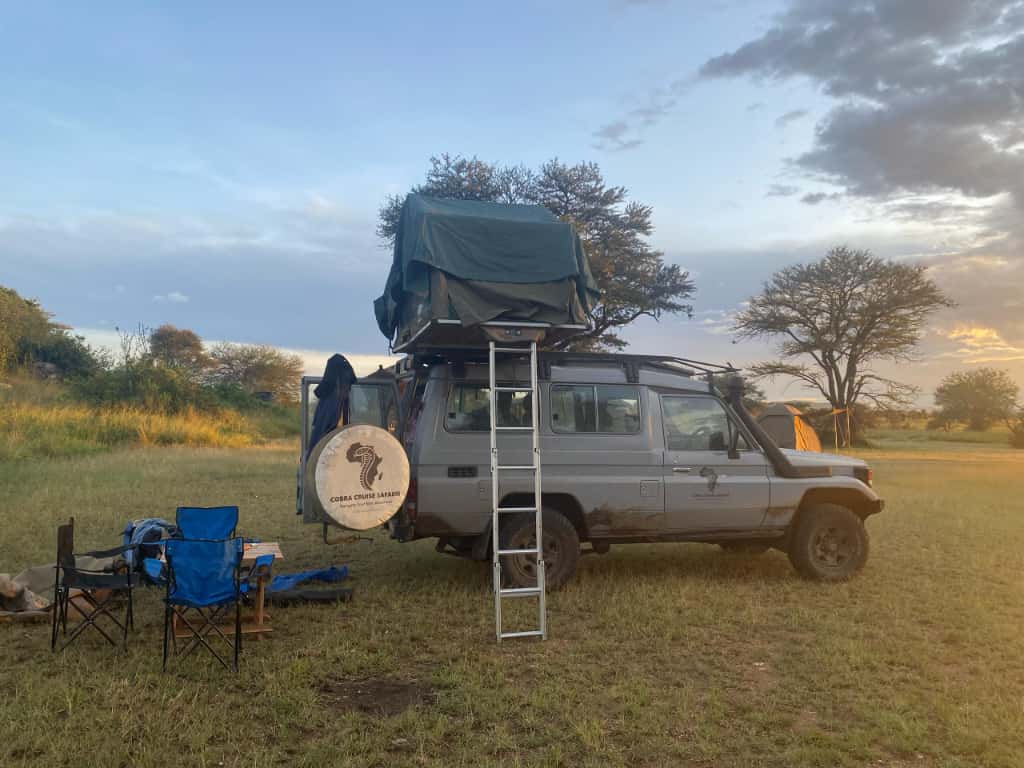
Public Campsites at Nyerere National Park: The Ultimate Guide to Camping in Tanzania’s Largest Wilderness
Introduction
There is something profoundly different about spending a night in the African wilderness. Long after the safari vehicles have returned to their lodges and the last rays of sunlight have disappeared beyond the horizon, the bush awakens with a new rhythm. The distant roar of a lion, the eerie laugh of a hyena, the grunting of hippos emerging from the river, and the rustling of unseen creatures moving through the darkness create an atmosphere that no luxury lodge can fully replicate.
For travelers seeking an authentic safari experience, camping in Nyerere National Park offers a rare opportunity to immerse themselves in one of Africa’s largest and most untouched wilderness areas. Unlike many safari destinations where visitors experience wildlife primarily from vehicles or lodge verandas, camping brings you closer to nature, allowing you to feel the pulse of the African bush throughout the day and night.
Formerly known as part of the famous Selous Game Reserve, Nyerere National Park is Tanzania’s largest national park and one of the continent’s most remarkable conservation areas. Covering more than 30,000 square kilometers, the park is larger than many countries and remains one of East Africa’s least crowded safari destinations.
Public campsites within the park provide adventurous travelers with an affordable and rewarding way to explore this magnificent wilderness. Whether you are a self-drive enthusiast, a backpacker, a family seeking adventure, or a photographer looking to spend extended time in nature, public camping offers an unforgettable experience that combines affordability with authenticity.
This guide explores everything you need to know about public campsites at Nyerere National Park, including facilities, wildlife encounters, costs, safety considerations, activities, and what makes camping here one of Tanzania’s greatest outdoor adventures.
Discovering Nyerere National Park
Before discussing the campsites themselves, it is important to understand the incredible destination in which they are located.
Nyerere National Park lies in southern Tanzania and forms part of the vast Selous ecosystem. Named after Tanzania’s founding president, Julius Nyerere, the park was established in 2019 when a significant section of the Selous Game Reserve was upgraded to national park status.
The park is home to an astonishing diversity of wildlife. Large populations of elephants roam its woodlands and floodplains, while lions, leopards, cheetahs, and African wild dogs patrol the landscape. Massive buffalo herds gather near water sources, and the Rufiji River supports one of Africa’s largest populations of hippos and crocodiles.
Unlike the more famous northern safari parks such as Serengeti and Ngorongoro, Nyerere offers a sense of remoteness and exclusivity. Visitors often spend hours exploring without encountering another vehicle, creating a feeling of genuine wilderness that has become increasingly rare in modern safari tourism.
Camping within such an environment allows visitors to become part of the landscape rather than simply observing it.
Why Choose Public Camping?
Many travelers visiting Tanzania automatically assume they must stay in lodges or luxury tented camps. While these accommodations provide comfort and excellent service, public camping offers a completely different experience.
One of the greatest advantages is affordability. Safari costs can quickly add up, especially when accommodation is included. Public campsites significantly reduce expenses while still allowing visitors to enjoy the park’s extraordinary wildlife.
Beyond the financial benefits, camping creates a stronger connection with nature. Instead of retreating to an air-conditioned room after a game drive, campers remain immersed in the environment. Every sound, smell, and movement becomes part of the adventure.
Morning begins with birdsong rather than alarm clocks. Evenings are spent around campfires under brilliant star-filled skies. Wildlife encounters feel more immediate and personal because there is no physical separation between you and the wilderness.
For many seasoned safari travelers, camping represents the purest way to experience Africa.
The Public Campsites of Nyerere National Park
The public campsites within Nyerere National Park are strategically located to provide access to some of the park’s most spectacular wildlife viewing areas.
Unlike private camps that offer luxurious facilities, public campsites are intentionally simple. Their purpose is to provide a safe and designated place for visitors to camp while maintaining the natural character of the environment.
Most campsites include:
Shared toilet facilities
Basic shower facilities
Designated cooking areas
Campfire spaces
Waste disposal points
Secure camping zones approved by park authorities
Facilities vary between locations, and visitors should not expect luxury amenities. The simplicity of the campsites is part of their charm, encouraging travelers to embrace the wilderness rather than escape from it.
The Magic of Sleeping in the Bush
The true highlight of camping in Nyerere begins after sunset.
As darkness spreads across the landscape, the park transforms dramatically. Daytime species settle down while nocturnal creatures emerge.
The sounds become extraordinary.
Lions communicate with powerful roars that can travel several kilometers through the night air. Hyenas laugh and call to one another as they patrol their territories. Hippos leave rivers and lakes to graze, often passing surprisingly close to campsites.
Campers frequently report hearing elephants moving nearby after dark. Sometimes branches snap under their weight. At other times, only the soft rustling of vegetation reveals their presence.
For first-time campers, these sounds can be both thrilling and intimidating. Yet they are precisely what makes the experience unforgettable.
Few travel experiences can compare to lying in a tent while listening to the untamed sounds of Africa all around you.
Wildlife Around the Campsites
One of the most exciting aspects of camping in Nyerere National Park is the possibility of wildlife encounters.
Many campsites are unfenced, meaning animals can move freely through the area. This arrangement preserves the natural ecosystem and enhances the wilderness experience.
Common visitors may include:
Impalas
Warthogs
Baboons
Vervet monkeys
Bushbucks
Elephants
Hippos
Birdlife is especially abundant. Early mornings often bring a chorus of calls from hornbills, kingfishers, bee-eaters, fish eagles, and numerous other species.
Although predators occasionally pass near campsites, they generally avoid human activity. Park regulations and safety procedures are designed to minimize risks while allowing visitors to enjoy the remarkable privilege of sharing space with wildlife.
The Rufiji River and Camping Experience
The Rufiji River is the lifeblood of Nyerere National Park.
As Tanzania’s largest river, it creates a network of channels, lakes, and floodplains that support extraordinary biodiversity. Many campsites are located within reach of this magnificent water system.
The river offers some of the most memorable safari moments imaginable.
At dawn, mist rises from the water while fish eagles call from tall trees. Crocodiles bask along sandy banks, and pods of hippos emerge from the water after a night of grazing.
The presence of the river creates a unique atmosphere unlike that found in many other safari destinations.
For campers, it means waking up each morning surrounded by one of Africa’s most spectacular natural settings.
Activities Available to Campers
Camping does not mean sacrificing safari experiences. In fact, campers have access to the same remarkable activities enjoyed by lodge guests.
Game drives remain the most popular activity. Vast road networks allow visitors to explore different habitats and search for wildlife throughout the day.
Boat safaris on the Rufiji River are among the park’s greatest attractions. Unlike traditional vehicle safaris, boat excursions provide opportunities to observe animals from the water. Elephants often come to drink at the riverbanks, while crocodiles and hippos are seen at close range.
Walking safaris offer another exceptional experience. Accompanied by trained guides and armed rangers, visitors can explore the bush on foot and gain a deeper understanding of tracks, plants, insects, and smaller wildlife often overlooked during vehicle safaris.
Birdwatching is particularly rewarding. With more than 440 recorded bird species, Nyerere ranks among Tanzania’s finest birding destinations.
Photographers also appreciate the flexibility of camping. Early starts and late returns become easier when accommodation is located within the park itself.
Best Time to Camp in Nyerere National Park
The timing of your visit can significantly influence your camping experience.
The dry season, from June to October, is widely regarded as the best period for camping. During these months, vegetation becomes thinner and animals concentrate around permanent water sources.
Wildlife viewing reaches its peak, and the likelihood of rain is minimal.
Temperatures remain pleasant, particularly during the cooler months of June and July.
The green season, from November to May, offers a different kind of beauty. Landscapes become lush and vibrant, migratory birds arrive, and many animals give birth.
However, rainfall can make some roads difficult to access, and camping conditions may become more challenging.
For most travelers seeking the ideal balance between comfort and wildlife viewing, the dry season remains the preferred choice.
Safety While Camping
Camping in a wilderness area requires awareness and respect for nature.
Park authorities provide clear guidelines to ensure visitor safety.
Campers should never wander away from designated areas after dark. Wildlife movement increases significantly during nighttime hours, making unnecessary walks potentially dangerous.
Food should be stored securely to avoid attracting animals. Campsites should remain clean and free from litter.
Visitors are encouraged to follow instructions provided by park rangers at all times.
While wildlife encounters are part of the adventure, maintaining a safe distance and respecting animal behavior are essential principles of responsible camping.
When basic safety guidelines are followed, camping in Nyerere is generally safe and immensely rewarding.
What to Pack for Camping
Preparation is key to a successful camping experience.
Essential items include:
A quality tent
Sleeping bag
Sleeping mat
Flashlight or headlamp
Extra batteries
Cooking equipment
Food supplies
Drinking water
Insect repellent
Sunscreen
First aid kit
Warm clothing for cool evenings
Although daytime temperatures can be high, nights may become surprisingly cool, especially during the dry season.
A good pair of binoculars can greatly enhance wildlife viewing opportunities around camp.
Main Campgrounds and Camping Areas in Nyerere National Park
Mtemere Public Campsite
Mtemere Public Campsite is the most popular public camping area in Nyerere National Park. Located near Mtemere Gate and close to the Rufiji River system, it serves as an ideal base for travelers entering the park by road from Dar es Salaam. The campsite offers basic facilities including shared washrooms, designated cooking areas, and camping grounds for tents. Its location makes it convenient for early morning game drives and boat safari departures.
Wildlife sightings around the campsite are common. Visitors frequently encounter warthogs, baboons, impalas, and a variety of bird species moving through the area. During the night, the sounds of hippos, hyenas, and occasionally lions can often be heard from camp.
Beho Beho Area Campsites
The Beho Beho region is one of the most scenic sections of Nyerere National Park. Located in the cooler highlands overlooking the Rufiji floodplains, this area offers spectacular panoramic views and excellent wildlife viewing opportunities. The region is famous for its remote wilderness atmosphere and diverse habitats ranging from miombo woodland to riverine ecosystems.
Camping in the Beho Beho area provides visitors with access to some of the park’s least disturbed wildlife habitats. Elephants, buffaloes, lions, and African wild dogs are regularly recorded in this region, making it particularly attractive to photographers and wildlife enthusiasts.
Lake Tagalala Camping Area
Lake Tagalala is one of the most beautiful wildlife viewing locations in Nyerere National Park. The lake attracts large concentrations of animals, especially during the dry season when water becomes scarce elsewhere in the park. Hippos spend their days submerged in the water while crocodiles bask along the shoreline.
Camping near Lake Tagalala allows visitors to enjoy extraordinary birdwatching opportunities. Fish eagles, kingfishers, herons, storks, and numerous migratory species can often be observed from camp. The peaceful atmosphere of the lake, combined with regular wildlife activity, creates an unforgettable camping experience.
Rufiji River Public Camping Areas
Several designated camping areas are located along the Rufiji River corridor. These campsites provide some of the most authentic wilderness experiences available in Tanzania. Campers enjoy direct access to boat safaris, spectacular sunsets, and constant wildlife activity around the riverbanks.
The Rufiji River is home to one of Africa’s largest concentrations of hippos and Nile crocodiles. Early mornings at these campsites often begin with the calls of fish eagles and the sight of elephants coming to drink from the river. The river system is one of the defining features that makes Nyerere National Park different from Tanzania’s northern parks.
Fly Camping Sites
For adventurous travelers, Nyerere National Park is renowned for its fly camping experiences. Unlike conventional campsites, fly camps are temporary wilderness camps established in remote areas of the park. Visitors hike into the bush with guides and armed rangers before spending the night under canvas—or in some cases under the stars.
These camps offer one of Africa’s most immersive safari experiences. There are no permanent structures, fences, or artificial lights. Instead, guests experience the African wilderness exactly as early explorers did. Fly camping remains one of Nyerere’s signature activities and is highly recommended for experienced safari travelers seeking a deeper connection with nature.
Why Camp in Nyerere National Park?
Camping in Nyerere National Park is about far more than simply saving money on accommodation. It is about becoming part of one of Africa’s largest and wildest ecosystems. The park covers more than 30,000 square kilometers and remains one of the least crowded safari destinations on the continent. Visitors can spend an entire day exploring without encountering another vehicle, creating a sense of exclusivity that is increasingly rare in African tourism.
Unlike many safari destinations where visitors return to fenced lodges each evening, camping keeps travelers immersed in the wilderness around the clock. The sounds of the bush become part of daily life, from the dawn chorus of birds to the nighttime calls of predators.
Conclusion
Public campsites at Nyerere National Park offer one of East Africa’s most rewarding outdoor experiences. They combine affordability, adventure, and unparalleled access to one of Africa’s greatest wilderness areas.
From listening to lions roar across the night sky to watching elephants wander near the Rufiji River at sunrise, every moment spent camping here feels connected to the rhythms of nature.
Whether you are a seasoned camper or embarking on your first safari adventure, Nyerere’s public campsites provide an unforgettable opportunity to experience Tanzania beyond the traditional lodge setting.
In a world where truly wild places are becoming increasingly rare, camping in Nyerere National Park remains one of the most authentic ways to discover the beauty, mystery, and grandeur of the African wilderness.