15 Days Tanzania Cultural Safari Itinerary
A 15-day Tanzania cultural safari offers a deep journey into the traditions, landscapes, wildlife, and daily life of East Africa. This itinerary combines authentic cultural encounters with iconic safari destinations, allowing travelers to experience Tanzania beyond wildlife alone. From Maasai villages and Hadzabe hunter-gatherers to coffee farms, local markets, and historic Swahili coast communities, this adventure showcases the country’s rich cultural diversity alongside its stunning natural beauty.
Day 1: Arrival in Arusha
Arrive at Kilimanjaro International Airport where you are welcomed by your guide and transferred to your hotel in Arusha. Often referred to as the safari capital of Tanzania, Arusha is a lively city nestled beneath Mount Meru and serves as the gateway to northern Tanzania safaris.
Depending on your arrival time, enjoy a short city tour visiting local craft markets, cultural centers, or coffee shops. This introduction provides your first glimpse into Tanzanian urban life and hospitality.
Accommodation: Lodge or hotel in Arusha
Day 2: Arusha Cultural Experience and Coffee Tour
Spend the day exploring the cultural side of Arusha. Visit a local coffee plantation on the slopes of Mount Meru where you learn how coffee is grown, harvested, roasted, and prepared traditionally.
Later, visit local communities and artisan workshops where skilled craftsmen create jewelry, paintings, fabrics, and carvings inspired by Tanzanian heritage.
The evening can be spent enjoying local Tanzanian cuisine and traditional music performances.
Accommodation: Arusha
Day 3: Arusha to Mto wa Mbu
Drive toward the Great Rift Valley and the culturally rich village of Mto wa Mbu near Lake Manyara. This small town is famous for hosting more than 120 tribes from across Tanzania, making it one of the country’s most culturally diverse communities.
Take a guided village walk through banana plantations, rice farms, local homes, schools, and traditional breweries. Taste local foods and interact with residents while learning about everyday village life.
A bicycle tour through the surrounding countryside adds another immersive experience.
Accommodation: Lodge in Mto wa Mbu
Day 4: Lake Manyara National Park and Cultural Encounters
Enjoy a morning game drive in Lake Manyara National Park, famous for tree-climbing lions, flamingos, elephants, and dense groundwater forests.

In the afternoon, continue cultural activities with local farming communities or traditional cooking lessons. Learn how Tanzanian dishes are prepared using locally grown ingredients and traditional techniques.
Accommodation: Mto wa Mbu or Karatu
Day 5: Journey to Lake Eyasi
Travel to the remote Lake Eyasi region where some of Tanzania’s oldest indigenous communities still maintain traditional lifestyles.
Arrive in time to meet local Datoga blacksmiths known for their metalworking skills. Observe how tools and ornaments are handmade using age-old techniques passed through generations.
The peaceful environment around Lake Eyasi offers beautiful sunsets and a strong sense of cultural authenticity.
Accommodation: Lodge near Lake Eyasi
Day 6: Hadzabe Bush Experience
Spend the day with the Hadzabe people, one of the last remaining hunter-gatherer communities in East Africa.
Join early morning hunting activities using bows and arrows while learning tracking techniques, survival methods, and traditional bush knowledge. The Hadzabe lifestyle has remained largely unchanged for centuries and offers a rare insight into ancient human traditions.
This respectful cultural exchange is one of the most memorable experiences in Tanzania.
Accommodation: Lake Eyasi
Day 7: Lake Eyasi to Ngorongoro Conservation Area
Drive toward the Ngorongoro Highlands while enjoying breathtaking scenery of volcanic landscapes and Maasai grazing lands.
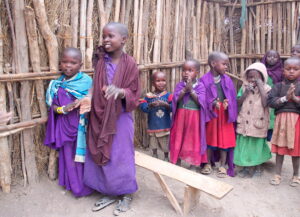
Visit a traditional Maasai village where community members share their customs, dances, livestock traditions, and social structures. Learn about the importance of cattle in Maasai culture and how communities coexist with wildlife.
The cool highlands offer a refreshing contrast to the savannah plains.
Accommodation: Lodge near Ngorongoro
Day 8: Ngorongoro Crater Safari
Descend into the famous Ngorongoro Crater, one of Africa’s greatest wildlife destinations and a UNESCO World Heritage Site.
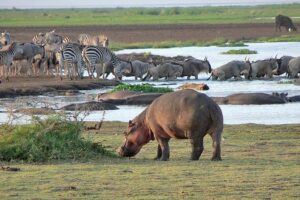
The crater floor hosts lions, elephants, rhinos, buffaloes, zebras, wildebeests, and hippos in a spectacular natural setting.
Beyond wildlife, Ngorongoro is culturally significant because Maasai pastoralists continue living within the conservation area, preserving traditional ways of life while sharing the land with wild animals.
Accommodation: Ngorongoro or Karatu
Day 9: Drive to Serengeti National Park
Travel through the Ngorongoro highlands toward the legendary Serengeti. Along the way, stop at Maasai settlements and scenic viewpoints overlooking the endless plains.
Arrive in Serengeti for an evening game drive. Depending on the season, witness vast herds of wildebeests and zebras moving across the plains during the Great Migration.
Accommodation: Safari lodge or camp in Serengeti
Day 10: Full Day in Serengeti
Spend the day exploring different regions of the Serengeti ecosystem.
Besides wildlife viewing, your guide explains the relationship between local communities and conservation efforts in Tanzania. Learn how tourism supports rural livelihoods and cultural preservation.
Enjoy a picnic lunch in the bush surrounded by the sounds of Africa’s wilderness.
Accommodation: Serengeti
Day 11: Serengeti to Karatu
Depart Serengeti and return toward Karatu, a charming town surrounded by fertile farmland and coffee estates.
Along the route, stop at local markets where farmers and traders sell fresh produce, fabrics, livestock, and handcrafted goods. These markets offer an excellent opportunity to observe authentic Tanzanian commerce and social interaction.
Accommodation: Karatu
Day 12: Karatu Highlands Cultural Tour
Spend the day exploring the Iraqw cultural heritage in the Karatu highlands.
Visit traditional homesteads, schools, and farms while learning about indigenous agricultural techniques and local beliefs. Participate in cooking sessions, dance performances, or storytelling activities hosted by community members.
The lush green environment and cooler temperatures create a peaceful atmosphere perfect for cultural immersion.
Accommodation: Karatu
Day 13: Flight or Drive to Dar es Salaam
Travel to Dar es Salaam, Tanzania’s largest city and commercial hub.
Explore the multicultural coastal atmosphere influenced by African, Arab, Indian, and European history. Visit museums, fish markets, and local neighborhoods while experiencing Swahili culture and cuisine.
Accommodation: Dar es Salaam
Day 14: Swahili Cultural Experience in Bagamoyo
Take a day trip to Bagamoyo, one of East Africa’s most historically important coastal towns.
Bagamoyo was once a major trading port and an important center of Swahili culture. Visit old colonial buildings, Arabic architecture, art centers, and historical landmarks connected to East African history.
Traditional dhow building, music, and coastal cuisine make this a fascinating cultural finale.
Accommodation: Dar es Salaam
Day 15: Departure
Depending on your flight schedule, enjoy some final shopping or relaxation before your transfer to the airport for departure.
Your 15-day Tanzania cultural safari concludes with unforgettable memories of wildlife, landscapes, traditions, and meaningful human connections across one of Africa’s most culturally rich destinations.
Highlights of the Safari
- Authentic Maasai cultural visits
- Hadzabe hunter-gatherer experience
- Datoga blacksmith encounters
- Coffee farm tours
- Swahili coastal heritage exploration
- Wildlife safaris in Serengeti and Ngorongoro
- Local market visits and village walks
- Traditional food and dance experiences
Best Time for a Tanzania Cultural Safari
Tanzania cultural safaris can be enjoyed year-round, but the dry seasons from June to October and January to March offer the best road conditions and wildlife viewing opportunities.
The green season from November to May provides lush scenery, fewer crowds, and excellent cultural interactions.
What to Pack
- Comfortable walking shoes
- Light clothing for warm weather
- Warm jacket for Ngorongoro Highlands
- Camera and binoculars
- Sunscreen and insect repellent
- Respectful clothing for village visits
- Reusable water bottle
Why Choose a Cultural Safari in Tanzania?
A cultural safari allows travelers to connect deeply with Tanzania beyond traditional wildlife experiences. You gain a better understanding of the country’s people, traditions, languages, and daily lives while supporting community-based tourism initiatives.
This combination of culture, history, nature, and wildlife creates a richer and more meaningful African travel experience.