Fly-in Safari vs Overland Safari in Tanzania: Which One is Right for You?
Introduction
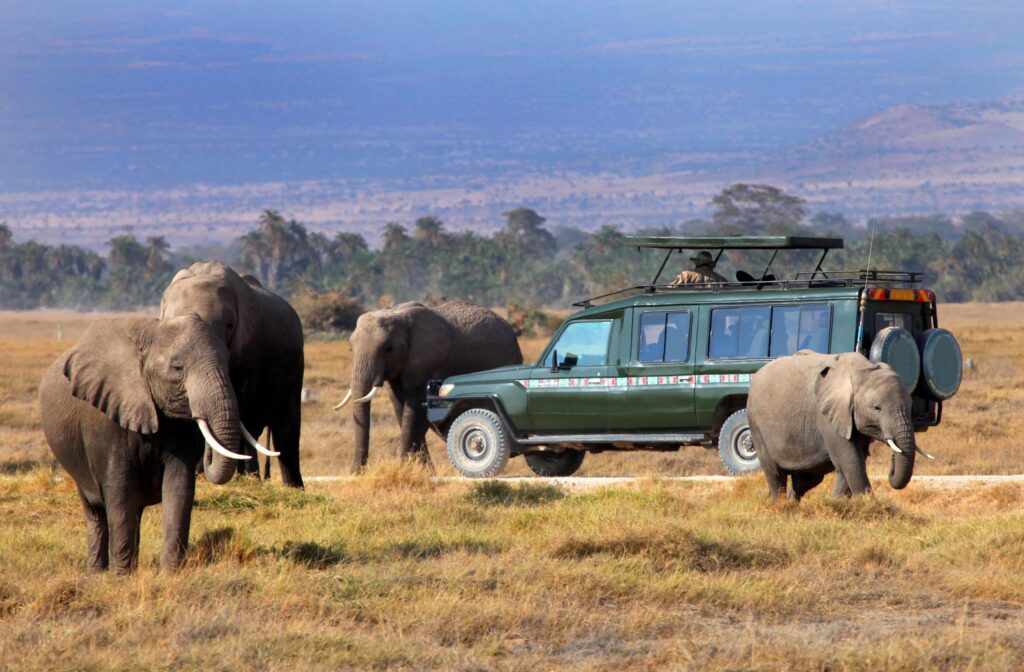
Tanzania is one of Africa’s most iconic safari destinations, home to world-renowned wildlife areas such as Serengeti National Park, Ngorongoro Conservation Area, and Tarangire National Park. Whether you’re chasing the Great Migration, searching for the Big Five, or exploring untouched wilderness, how you travel between these destinations plays a major role in shaping your overall safari experience.
Two main safari styles dominate Tanzania travel: fly-in safaris and overland (drive) safaris. While both deliver unforgettable wildlife encounters, they differ significantly in cost, travel time, comfort, and the type of adventure they offer.
This guide will help you understand the differences and choose the best safari style for your needs—or even combine both for the ultimate experience.
What is a Fly-in Safari?
A fly-in safari involves traveling between parks using small bush aircraft, typically departing from hubs like Arusha or Zanzibar. These flights land on remote airstrips located inside or near national parks, allowing you to begin your safari almost immediately upon arrival.
Instead of spending long hours on the road, you soar above Tanzania’s landscapes—rivers, savannahs, and wildlife herds—before landing directly in the heart of the wilderness.
Key Features of Fly-in Safaris
- Light aircraft transfers between parks
- Minimal road travel
- Access to remote and exclusive camps
- Focus on luxury and comfort
- Ideal for short itineraries
What is an Overland Safari?
An overland safari, also known as a drive safari, is the traditional way of exploring Tanzania. You travel in a customized 4×4 safari vehicle with a professional guide, driving from one destination to another.
This is the most common safari style, especially for those visiting the northern circuit, including Lake Manyara National Park and Serengeti National Park.
Key Features of Overland Safaris
- Travel by 4×4 safari vehicle
- Same guide throughout the journey
- Flexible stops along the way
- More budget-friendly options
- A deeper cultural and scenic experience
Fly-in Safari vs Overland Safari: Detailed Comparison
1. Travel Time and Efficiency
One of the biggest differences between these safari styles is how much time you spend traveling.
Fly-in Safari Advantage
Flying drastically reduces travel time. For example:
- Arusha to Serengeti National Park takes about 1–2 hours by air
- The same journey can take 8–10 hours by road
This means more time for:
- Game drives
- Relaxation at camp
- Enjoying premium experiences
Overland Safari Consideration
Overland safaris involve long drives, especially when heading to remote areas. However, these journeys are not wasted time—they are part of the adventure.
You’ll pass through:
- Local villages
- Scenic landscapes
- Agricultural regions
- Maasai communities
2. Cost and Budget
Fly-in Safari Costs
Fly-in safaris are significantly more expensive due to:
- Domestic flights
- Luxury lodges and camps
- Exclusive services
Average Cost Range:
- $500 – $1,500+ per person per day
Overland Safari Costs
Overland safaris are much more affordable and flexible.
Average Cost Range:
- $200 – $600 per person per day
Options include:
- Budget camping
- Mid-range lodges
- Private guided safaris
3. Comfort and Travel Experience
Fly-in Safari Comfort
- No long, bumpy drives
- Quick transfers
- High-end accommodations
- Personalized service
Perfect for:
- Honeymooners
- Luxury travelers
- Older travelers or those with limited mobility
Overland Safari Experience
- Longer time in vehicles
- Dusty roads (especially in dry season)
- Adventure-focused travel
However, many modern safari vehicles are well-equipped with:
- Pop-up roofs
- Charging ports
- Comfortable seating
4. Access to Remote Destinations
Fly-in Safari Access
Fly-in safaris allow access to remote and less-visited parks such as:
- Ruaha National Park
- Nyerere National Park
These areas offer:
- Fewer tourists
- Pristine wilderness
- Exclusive safari experiences
Overland Safari Access
Overland safaris mainly cover:
- Northern circuit parks
- Easily accessible destinations
While still incredible, these areas can be more crowded during peak season.
5. Wildlife Viewing Experience
Interestingly, the wildlife experience itself is equally spectacular in both safari types.
Whether you fly or drive, you can still witness:
- Lions hunting in Serengeti National Park
- Elephants roaming in Tarangire National Park
- Rhinos in Ngorongoro Conservation Area
The key difference lies in how you reach these experiences—not the wildlife itself.
6. Flexibility and Freedom
Overland Safari Advantage
- Stop anytime for photos
- Adjust schedule on the go
- Visit cultural sites
- Explore hidden gems
This makes overland safaris ideal for:
- Photographers
- Adventurous travelers
- Self-drive enthusiasts
Fly-in Safari Limitation
- Fixed flight schedules
- Limited flexibility between destinations
- Structured itineraries
7. Luggage and Packing
Fly-in Safari Restrictions
- Strict luggage limits (usually 15kg soft bags)
- No hard suitcases
Overland Safari Freedom
- More luggage space
- Ideal for:
- Camping gear
- Photography equipment
Pros and Cons Summary
Fly-in Safari Pros
✔ Saves time
✔ High comfort and luxury
✔ Access to remote parks
✔ Scenic aerial views
Fly-in Safari Cons
✖ Expensive
✖ Limited luggage
✖ Less cultural interaction
Overland Safari Pros
✔ Budget-friendly
✔ Flexible itinerary
✔ Cultural experiences
✔ Great for longer trips
Overland Safari Cons
✖ Long travel times
✖ Road fatigue
✖ Limited access to remote areas
Who Should Choose a Fly-in Safari?
A fly-in safari is ideal if you:
- Have limited time (3–7 days)
- Prefer luxury and comfort
- Want to visit remote parks
- Plan to combine safari with a beach holiday in Zanzibar
Who Should Choose an Overland Safari?
An overland safari is perfect if you:
- Have more time (6–14 days)
- Are traveling on a budget
- Enjoy road trips and adventure
- Want a more immersive Tanzanian experience
The Best Option: A Hybrid Safari
For many travelers, the best solution is to combine both styles.
Example Hybrid Itinerary
- ✈️ Fly from Zanzibar to Serengeti National Park
- 🚙 Drive through:
- Ngorongoro Conservation Area
- Tarangire National Park
- 🚙 Return to Arusha by road
This gives you:
- Time efficiency
- Scenic road experiences
- A balanced budget
When is the Best Time for Each Safari Type?
Fly-in Safari
Best during:
- Peak wildlife seasons (June–October)
- Great Migration periods
Overland Safari
Best during:
- Dry season for easier driving
- Green season for fewer crowds and lower costs
Expert Tips for Choosing the Right Safari
- Short trip? → Fly-in safari
- Tight budget? → Overland safari
- First-time visitor? → Overland safari
- Luxury experience? → Fly-in safari
- Photographer? → Overland safari
- Honeymoon? → Fly-in safari
Final Thoughts
Choosing between a fly-in safari and an overland safari in Tanzania ultimately depends on your budget, time, and travel style.
- Fly-in safaris offer speed, comfort, and exclusivity
- Overland safaris provide adventure, value, and immersion
No matter which you choose, Tanzania promises an unforgettable journey filled with breathtaking landscapes and incredible wildlife encounters.
Ready to Plan Your Tanzania Safari?
Whether you’re dreaming of a luxury fly-in escape or a rugged overland adventure, we can help you design the perfect itinerary tailored to your needs.
👉 Contact us today to start planning your ultimate Tanzania safari experience!