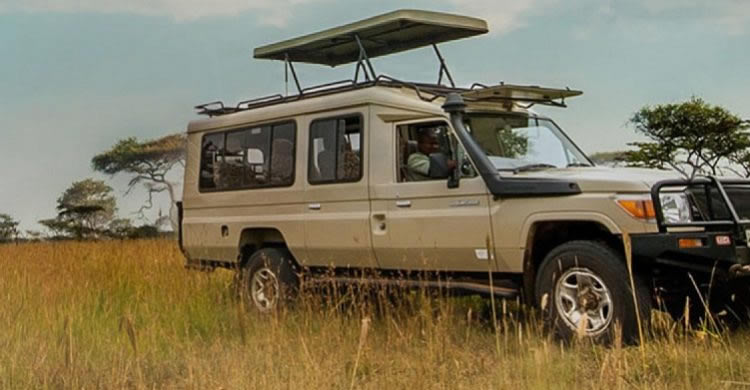
4X4 East Africa: Cross border cars rental
Cross-border car rentals are possible from Dar es Salaam, usually with a 4×4 for East Africa (Kenya, Rwanda, Uganda). However, there are additional costs for paperwork such as the COMESA Yellow Card (insurance), an authorization letter, and a certified logbook/registration for customs, as well as possible high one-way drop-off fees to cover vehicle return costs.
Unmatched flexibility to travel to distant areas, bustling towns, and safari parks across several nations is provided by cross-border car rental in East Africa from Dar es Salaam. It’s economical and empowering to drive across borders in your rental car, whether you’re a business traveler attending regional meetings or a tourist looking for adventure. Everything you need to know for a successful road trip to East Africa is included in this guide, from seasonal itineraries and safety advice to border procedures and car rental alternatives.
A dream Trip Across East Africa
With its expansive savannah, mountain gorilla habitats, lakes, and coasts, East Africa makes for an incredible road trip destination. Safari tourists and business travelers who combine cross-border meetings favor self-drive travel because it offers “total freedom” and cost savings. For instance, a three-week itinerary for gorilla trekking began in Nairobi, Kenya, then continued through Zanzibar and Tanzania’s Serengeti before arriving in Uganda or Rwanda. (Tanzania, the Democratic Republic of the Congo, and Burundi require separate visas; non-residents can utilize the USD 100 East African Tourist Visa for Kenya, Uganda, and Rwanda.) Many travelers prefer July/August or December/February, thus it’s important to plan trips by season (dry season is better).
Where can you start your East African trip
Arusha, mwanza or Dar es Salaam for Tanzania
entrance to Kilimanjaro, Ngorongoro, and the Serengeti. You can go north or south into Uganda from Arusha. Dar es salaam is the perfect starting point for those planning the trip to southern circuit to parks like Nyerere national park or Ruaha national park. For those planning the Lake Victoria drive or wish to visit Serengeti without passing through Ngorongoro, Mwanza constitute to the best starting point.
Nairobi or Mombasa in Kenya
well-connected highways and major international airports (e.g. to Masai Mara, Tsavo). The strategic location of Kenya makes it the perfect starting point for east Africa safari circuit as you can easily connect to Uganda or Tanzania.
Entebbe in Uganda
for primate lover Uganda is a must visit as is home to both Chimpanzees and mountain gorillas among 20 more other primates. Kampala is connected to South Sudan in the north, Kenya in the east, and the DRC in the west via Kasese. Uganda also borders Rwanda at Gitona border and Tanzania via Mutukula border.
Kigali in Rwanda
Great highways and gorilla parks in a small country. can connect east to Tanzania (Rusumo) or north to Uganda (Gatuna/Katuna border).
Tanzania’s parks, Uganda’s lakes and natural splendor, Rwanda’s efficiency, and Kenya’s international links are all reasons to start there. Select according to your preferred route and flight options.
Driving tips and Border Crossing requirement for different countries
Kenya
Roads range from contemporary roads to rural gravel lanes, and traffic stays to the left. Always drive defensively: be patient when passing large vehicles (overtaking is frequent), and slow down for potholes and unmarked speed bumps, especially outside of Nairobi. On highways, the speed limit is often 80 km/h. On curvy roads, turn on your headlights and keep an eye out for people or animals. Keep valuables out of sight and lock doors when you’re in a city. Steer clear of driving at night whenever you can. There are new toll highways in Kenya, such as the Nairobi Expressway, which costs between $1.50 and $5 USD per crossing.
Border Crossings: You must make advance arrangements with the rental business and obtain the necessary COMESA Yellow Card insurance in order to drive a rental car from Kenya into Uganda or Tanzania. The vehicle won’t be insured overseas without this. (Note: Many visitors switch cars at Namanga because Kenyan license plates are currently prohibited in Tanzania’s Masai Mara and Kilimanjaro parks.)
Uganda
Drive on the left: rural roads (Bwindi, Kidepo) can be steep, muddy, or have potholes, while city routes (Entebbe–Kampala) are generally fine. Respect the speed restrictions, which are approximately 80 km/h on roads, 50 km/h in cities, and 30–40 km/h in parks. Drive cautiously because coaches stop and minibuses frequently pass on blind turns. When necessary, pull off for lorries and keep an eye on the rearview. At town entrances, watch out for unmarked speed bumps. Wear seat belts at all times, and maintain a safe following distance. Lock your car and steer clear of nighttime driving, much as in Kenya. Major towns often have ATMs and gas stations, but fill up before visiting safari parks.
Border Crossings: Cars can enter Uganda for free for seven days; after that, they must pay USD 20 per month. Tell your rental agent if you plan to enter Kenya, Tanzania, or Rwanda, and they will provide you with a COMESA Yellow Card, which is third-party insurance. Along with vehicle registration, passports and visas (Uganda is visa-on-arrival friendly) are examined. Note that park fees in Uganda are higher for Kenyan cars ($150 USD) than for Ugandan cars (around $8 USD).
Tanzania
Drives on the left: Many safari park roads are dirt and corrugated, although major highways (Dar–Arusha) are in good condition. Respect the 80, 40, and 35 km/h limitations. Avoid taking quick “shortcuts” on unfamiliar trails because some dirt roads become inaccessible when it rains. Village entrances frequently have unmarked bumps. Remote routes (Selous, Ruaha) might be lengthy, so keep gasoline on hand. If your vacation involves Kenya, think about switching cars at Namanga because Tanzanian-registered vehicles are prohibited from entering Kenya’s Masai Mara and Mara Triangle owing to political issues.
Border Crossings: For COMESA insurance, let your car rental company know in advance if you want to enter Kenya or Uganda from Tanzania. Visas are issued by Tanzania upon arrival. A “Tanzania fee” (around $20 to $40 USD per day) is added by several car rental companies to offset rough road hazards.
Rwanda
Drives on the right: The region’s smoothest and best-marked roads are found here, in contrast to other EAC nations. Outside of cities, typical limits range from 60 to 80 km/h. Police forbid using a phone while driving and strictly enforce seat belt use. Although potholes and speed bumps are less common, keep an eye out for bicycles and pedestrians. Gorillas and large animals have the right-of-way in parks (drive no more than 30 km/h in Volcanoes National Park) and should never stray from designated pathways, as doing so can result in fines of up to USD 120.
Rwandan border crossings require separate visas, although they can be covered by an East Africa visa. Keep in mind that a lot of local car rentals only provide insurance for Rwanda. Purchase the COMESA Yellow Card in advance if you intend to enter a neighboring country; according to one Rwandan agency, COMESA insurance is required upon pickup. (Remember that you must have a current Yellow Fever vaccination.)
All you need to Know about COMESA yellow card Insurance
All international car rentals require a COMESA Yellow Card. Kenya, Uganda, Tanzania, Rwanda, the Democratic Republic of the Congo, and Burundi are covered by this third-party liability insurance. To prevent penalties, always make sure the Yellow Card is included in your cross-border vehicle rental quote.
Cross border car requirements
- Passport & Visas: Bring the required visas together with a passport that is valid for at least six months. The East Africa Tourist Visa (USD 100) for Kenya, Uganda, and Rwanda is widely used. Burundi, Tanzania, and the DRC all require different visas. possess e-visa receipts or printouts of your visa confirmation.
- Driver’s License: If at all possible, bring both your national license and an international driving permit, as certain nations require it.
- Vehicle Documents: The original vehicle registration (also known as the “log book”) is required. Carry a written authorization or letter of agreement from the owner if the vehicle is not in your name.
- Insurance-COMESA Yellow Card: It is required to have current third-party liability insurance for all countries covered. You can get this COMESA “Yellow Card” at the border or have your rental agent arrange for it. (Without it, you may be penalized or denied access.) It is included in your rental quote by certain agencies. You can even carry a digital Yellow Card thanks to a new COMESA mobile app.
- Temporary Import Permits: To temporarily import your car, you must fill out Form C32 or a comparable paperwork at various borders. For short journeys (such as 14 days), this is typically free and available immediately.
- Additional Documents: Bring additional passport photos, a yellow fever vaccination certificate, and, if required, documentation of COVID-19 vaccine or test results (regulations vary). When departing, always show an entry stamp (agents can help if necessary).
- Cars can enter the East African Community for free for seven days; beyond that, a temporary license (around $20 per month) is needed. To leave the nation, you must always have the stamped permit or receipt.
Travelers who like to include places like Tanzania’s Serengeti, Kenya’s Masai Mara, and Uganda’s gorilla parks in one itinerary are increasingly choosing to rent cars across borders in East Africa. Now that COMESA insurance is available from rental companies, you can travel across nations without having to change vehicles, which is very useful for lengthy business or pleasure journeys.
Self drive Vs A Car hire with the Driver guide
Depending on how you prefer to travel, you may choose to hire a driver or drive yourself. If you want solitude and independence, our self-drive rentals are ideal. You plan the route and make stops as you see fit. Flexibility, financial savings (no daily driver fee), and privacy are benefits of self-driving technology. However, you need to be comfortable using GPS or maps on occasionally isolated roads and taking care of any small malfunctions on your own.
As an alternative, our chauffeur-driven service provides a stress-free, leisurely journey. While traveling long distances, a trained Ugandan driver handles navigation, local driving customs, and auto maintenance so you can relax or take in the sights. Our drivers frequently serve as unofficial tour guides, sharing anecdotes about each location. Because the schedule works with the driver, there is a slight decrease in spontaneity and a greater cost (drivers’ salary and costs) as a trade-off.
In the end, make a decision based on your comfort level and financial constraints. COMESA insurance and cross-border permit management are features of both choices.
In conclusion, a cross-border road journey in East Africa offers passengers unmatched freedom but necessitates meticulous planning (visas, COMESA insurance, vehicle inspections). Whether you’re looking for wildlife or business prospects, you may have an amazing adventure through Uganda, Kenya, Tanzania, Rwanda (and beyond) by selecting the appropriate vehicle (usually a 4×4 SUV), according to local laws, and planning routes and permissions. Have a safe trip!